
‘The Beauty’: How Ryan Murphy’s FX Series Compares to the Original Comic



What To Know
- Ryan Murphy’s FX series The Beauty adapts the comic’s premise of a designer STD that transforms people into physically perfect versions of themselves.
- There are big differences between the comic and the show that make both versions fascinating sci-fi horror thrillers in their own right.
Welcome to the world of The Beauty, an “injectable Instagram filter” that lets users level up and become the walking, talking gods and goddesses denied to them by genetics. With a single shot (or an illicit encounter), The Beauty gets to work, reshaping bone structure, shifting body weight, altering hair and eye color, and eventually extending life itself. Because what’s a little fiery death in exchange for perceived perfection?
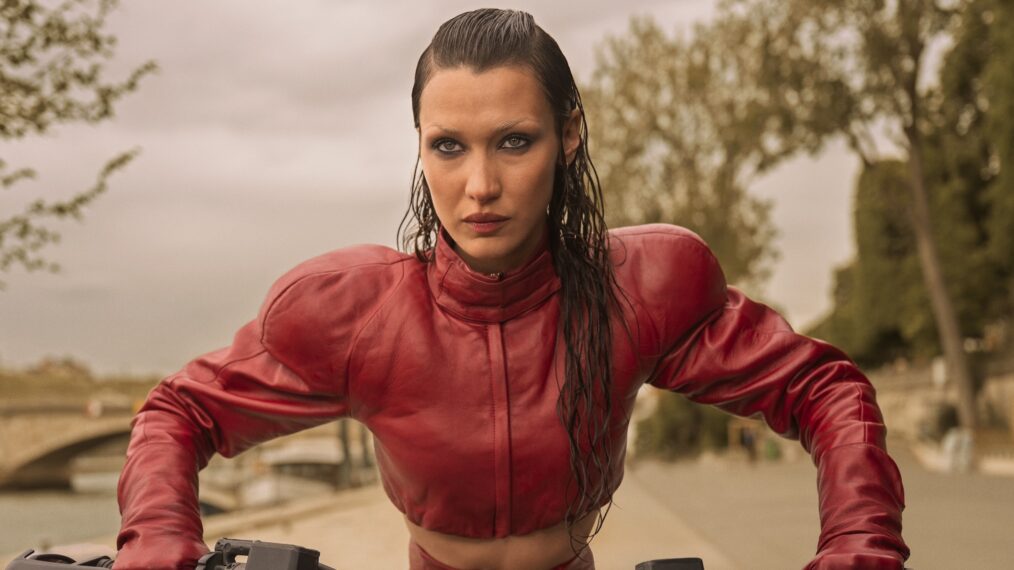
FX’s new series The Beauty is the latest head-trip from Ryan Murphy, who takes a story about the extreme lengths people will go to for physical perfection and makes it distinctly his own. Based on the comic of the same name by Jeremy Haun and Jason A. Hurley, the series centers on a world where a designer disease transforms its hosts into flawless specimens of beauty, but at a lethal cost. A pure form of the disease can be injected, but a rogue form began to spread via sexual contact, one that had far more dangerous consequences.
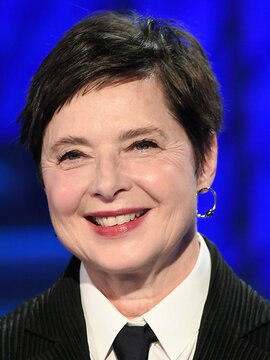
Starring Evan Peters, Rebecca Hall, Anthony Ramos, Ashton Kutcher, Jeremy Pope, and Isabella Rossellini, The Beauty promises over-the-top gore, accentuated sensuality, and all the twisted spectacle you’d expect from a Ryan Murphy fever dream. However, the original story differs significantly from the one in the comic. While the overall premise and themes are similar — a lethal STD can make its victims physically more attractive — the overall story and characters are vastly different.
Here’s a look at the major differences between the comic and the series for those interested in the source material and not particularly fond of surprises.
NOTE TO READERS: While a few plot points from both sources are mentioned, the list remains largely spoiler-free, only covering major differences from the first installments of both the show and the comic, so you can still enjoy both if you care to dig deeper.
The central characters are different
Philippe Antonello/FX
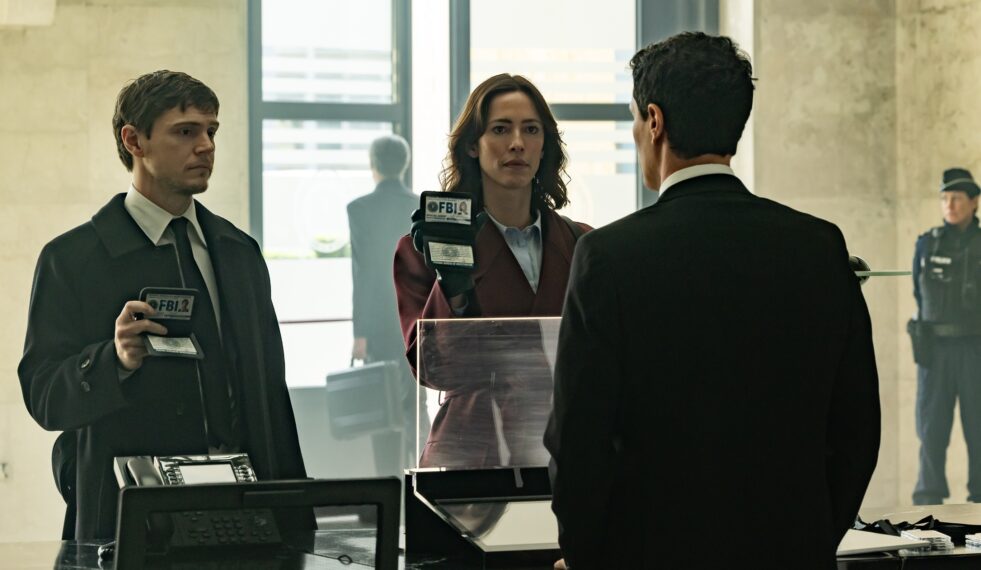
In the FX series, Evan Peters plays FBI agent Cooper Madsen and Rebecca Hall plays his partner, Jordan Bennett. They are investigating an odd series of deaths involving fashion models around the world.
In the comic, it is Officers Drew Foster and Kara Vaughn, the heads of the Beauty task force, who are investigating deaths related to the Beauty STD. Kara is already infected with the Beauty before the story begins, a fact she is unhappy about.
In addition to the story’s heroes being different, the narrative features an entirely different set of enemies, allies, and narrative priorities, creating a distinct and different experience from the FX series.
The villain and their motives are different
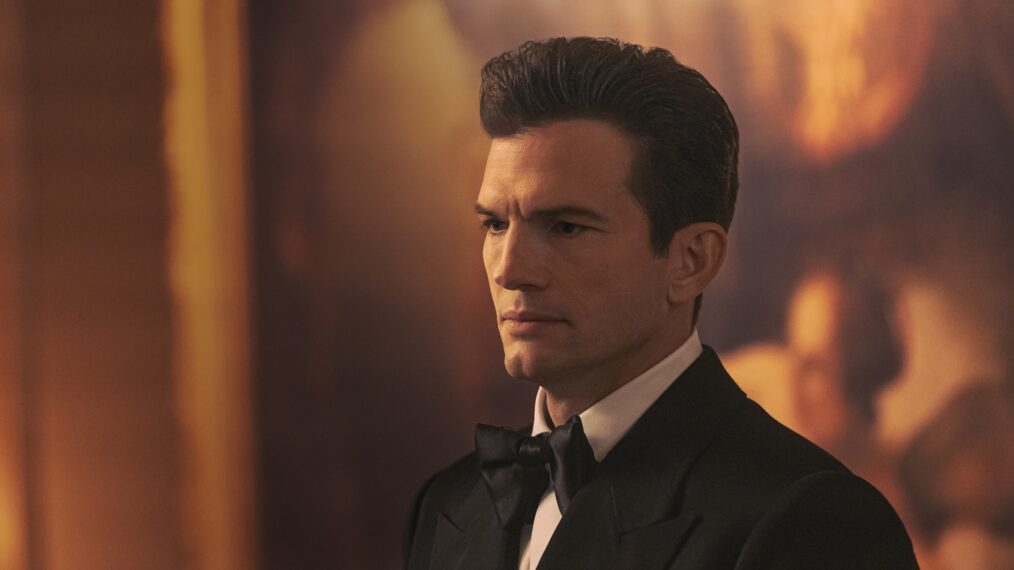
In the series, Ashton Kutcher is delightfully deranged as sociopathic billionaire Byron Forst, also known as “The Corporation.” In the story, Forst is deeply connected to the creation and distribution of the Beauty drug and is prepared to go to extreme lengths to protect his vast corporate empire as the epidemic spreads, including hiring a little “outside help” (Anthony Ramos).
Eric Liebowitz/FX
In the comic, many key players helped the infection go global and are keeping the cure under wraps as to protect their investment, including government officials, heads of business, billionaires, and the deviants they hire to keep the peace, such as Mr. Calaveras. So, while many malcontents make up the comic’s inverse, the villain enemy is greed.
The metamorphosis is quite different
In the series, once the Beauty infects a person, they eventually become a physically “perfect” version of themselves. Before that transformation, however, they experience a high fever, severe illness, and violent convulsions that can result in broken bones. During this phase, they are dangerously strong and may lash out at others. After a painful metamorphosis that ends in a pupa-like stage, they emerge as an idealized version of themselves.
In the comic, none of this happens. The Beauty works so subtly and efficiently that someone can go to sleep without realizing they’ve been infected and wake up already transformed.
The Beauty’s final side effect is different
Philippe Antonello/FX
In the comic, the Beauty’s side effects are less graphic but still deeply unsettling.
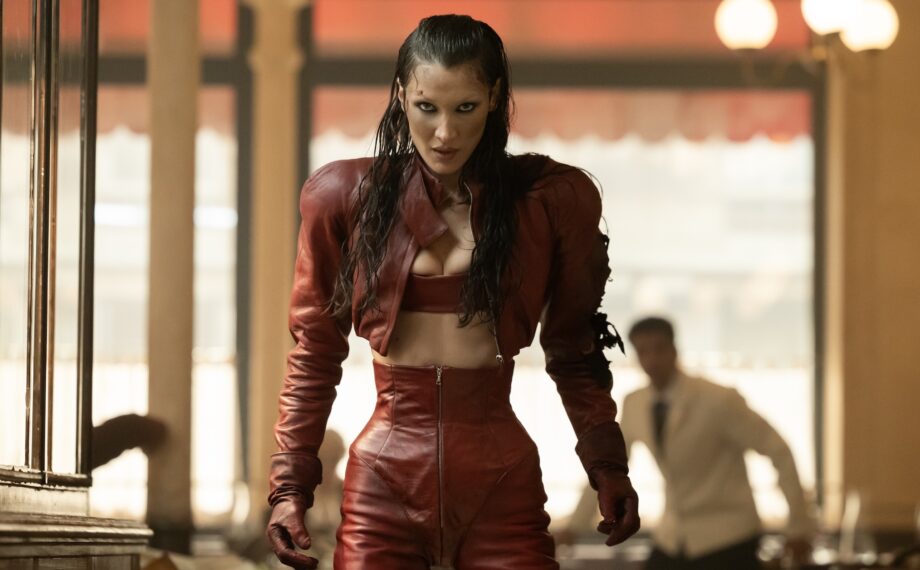
In the series, after several months of physical perfection, a subject suddenly becomes desperately thirsty, enters a manic killing spree they can’t seem to control, and eventually combusts, exploding as their body hits temperatures of well over 200 degrees.
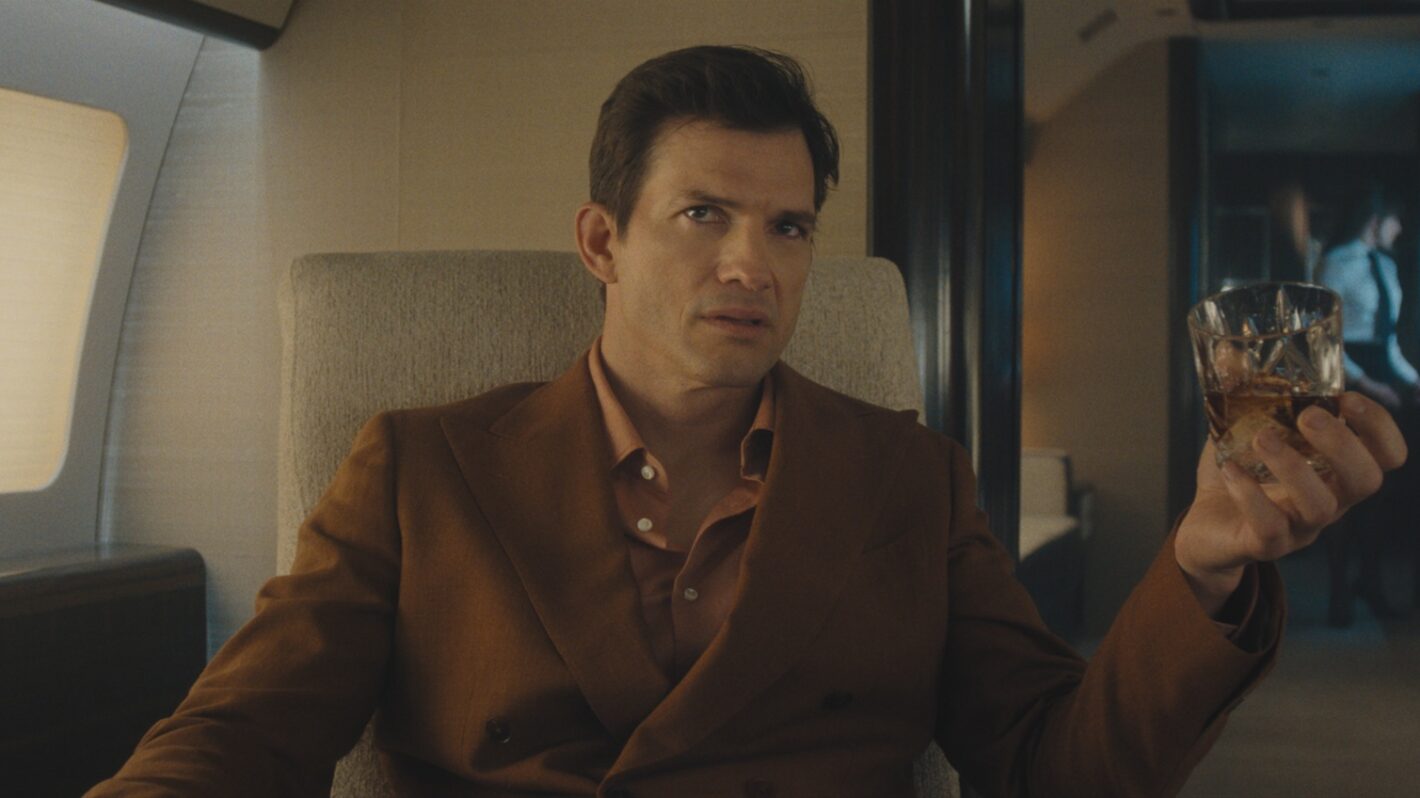
In the comic, infected individuals do not explode. They burn from the inside out. There is no rampage, no screaming, and no warning. It simply happens.
Global phenomenon vs. covert threat
The series begins with a mysterious case involving models who die in bodily explosions. Detectives Cooper and Jordan work to uncover the cause of their deaths and are stunned to learn that less than a year before their “combustions,” these victims were considered average-looking at best. This is because, in the show’s universe, the Beauty is not a well-known condition or product.
In contrast, the comic opens in a world where the Beauty is a well-known and coveted disease, one that people actively seek out. It’s fully integrated into society. Nearly half the country’s population is infected, with a total of 200 million infected globally. There are after-hours adult clubs for the infected, as well as a growing anti-Beauty sentiment — one that is becoming quite hostile.
Some civilian groups despise the Beauty
Within the universe of the series, very few people are aware of the virus, so no one is actively trying to stop it. In the original story, however, there is a group of anti-Beauty proponents made up of former scientists and researchers who once worked to develop and cure the infection but were ultimately betrayed by corporations and the government to keep its lethal side effects secret. They were joined by civilians to curtail its spread before it could do more damage.
Broader scope, bigger world
For the most part, the graphic novel unfolds through multiple storylines populated by characters who range from heroic to villainous to morally gray, creating a fully realized world ravaged by the Beauty. While the TV series narrows its focus to a handful of interconnected stories that serve a more traditional, character-driven format, the comic has the freedom to weave numerous accounts and plot threads together, resulting in a broader, more immersive landscape.
The Beauty, Wednesdays, 9/8c, FX (streaming on Hulu and Disney+)














 Watchlist Easy access to only the shows you care about — all in one simple place
 Alerts Only important notifications — when a show is returning, when it becomes available to stream, and more.
 Special Offers Exclusive products we release related to your favorite shows and streaming services