
‘Euphoria’: How Does the American Version Stack Up to the Original Series?




In 2019, HBO debuted Euphoria, a provocative series centered on the lives of Los Angeles teenagers navigating adolescence with little parental supervision. Some were marked by early trauma, while others were shaped by their upbringing; each high schooler embarked on a journey that shocked audiences and dazzled critics, ultimately catapulting the show’s young cast into stardom.
But did you know the HBO phenomenon was based on an Israeli series that lasted just a single season?
Originally broadcast on the Israeli cable station HOT, Euphoria (also called Euphorie) debuted in November 2012, a full seven years before the HBO adaptation became a cultural phenomenon that launched its young cast into the stratosphere. Created by Ron Leshem and Daphna Levin, the series focused on out-of-control teenagers, much like the HBO series, but with several key differences in the plot, the characters, and the show’s tone.
While both series are cinematic, unsettling thought pieces that take a hard look at teen life, there is a bevy of differences that American audiences may be surprised to learn. Here is a roundup of the key distinctions between the two series, details audiences may find fascinating ahead of Season 3 of HBO’s Euphoria.
Euphoria, Season 3, April 2026, HBO
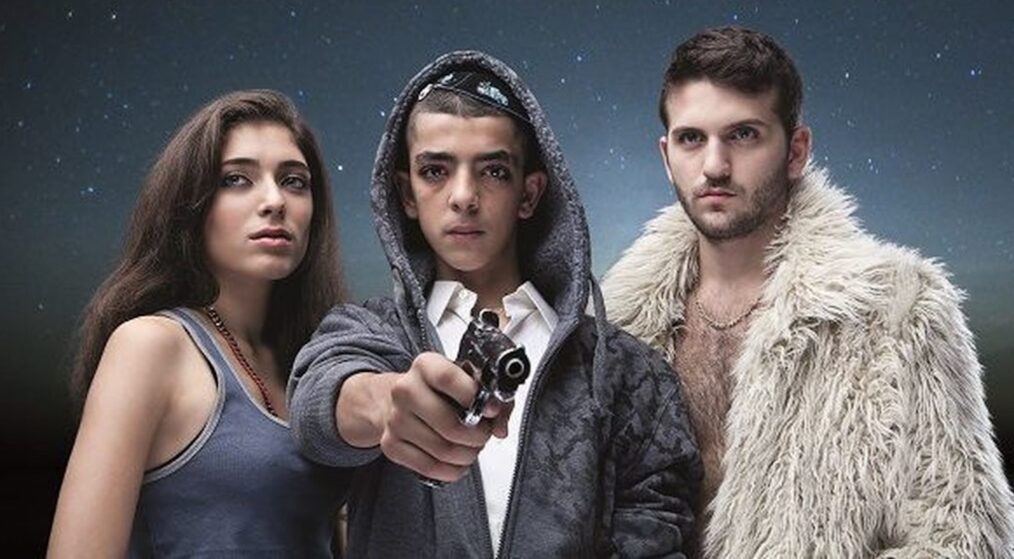
There is a murder that drives the plot
At the beginning of the original Euphoria, a character named Ra’anan (Kosta Kaplan) is stabbed to death a year before the series begins. He is killed by the ex-boyfriend of Hofit (Roni Daloomi), the Israeli precursor to Rue (Zendaya), after he is seen talking to her at a party.
The series then picks up a year later, with the murder casting a long shadow over the lives of the main characters.
Ra’anan’s death was inspired by the real-life, unsolved 2004 murder of a teenager. The crime serves as the inciting tragedy of the series: It sets the characters in motion, informs their choices, and lingers as trauma that ultimately shapes the trajectory of the story.
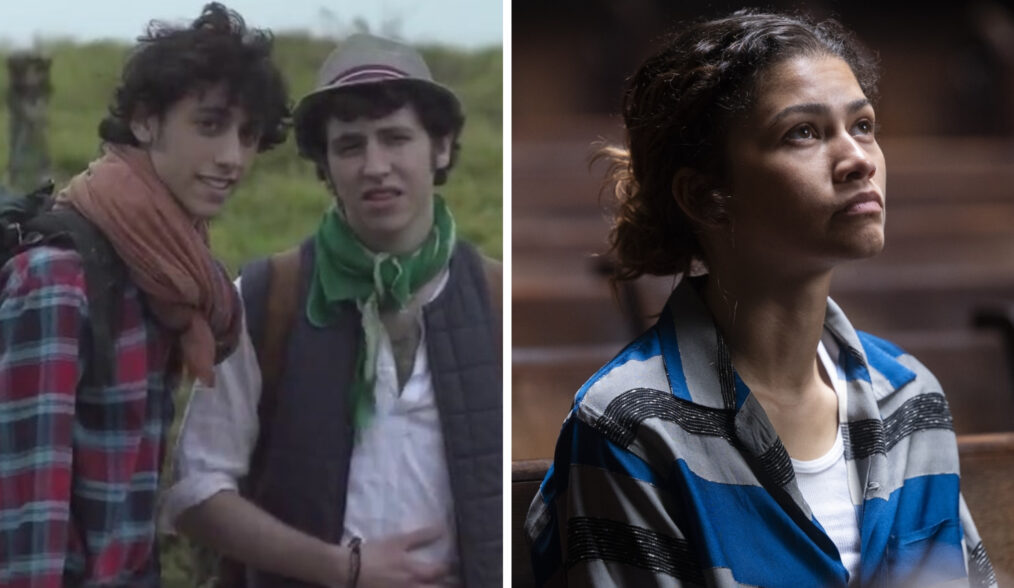
The Rue character is not the narrator in the original version
In the Israeli series, the narrator is a character named Kino (Dekel Adin), who was one of Ra’anan’s childhood friends who witnessed the murder. Traumatized by his friend’s murder and in a languid state for most of the show, he spends the series imagining his dead friend is still alive and at his side.
Kino is a unique character whose role was omitted in the American version as Rue picked up the narrative duties.

One of the characters is dead
Though Ra’anan was murdered a year before the events of the series, he remains a figure in the Israeli version of Euphoria, haunting Kino as he daydreams about the two of them traveling through Central America in vivid, imagined sequences.
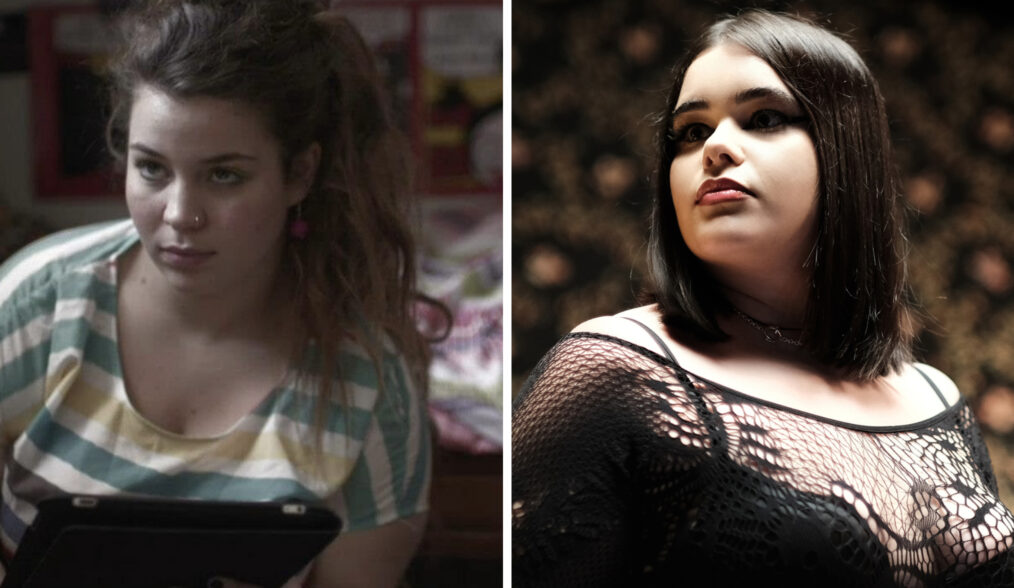
The original cast vs. the American cast
In the remake, some characters from the original adaptation were easily translated into their American counterparts, while others either didn’t make the transition or were merged into other characters.
For example, Rue is based on Hofit, and Kat is based on Noy (Amit Erez), a plus-sized girl who becomes adventurous with her sexuality.
Fezco (Angus Cloud) is loosely inspired by Dekel (Dolev Mesika) from the Israeli version, though the characters diverge significantly. Unlike Fezco, Dekel is not a drug dealer; instead, he experiments with drugs in an attempt to eliminate his fear. He is openly in love with Rue, a dynamic absent from the American series, and his behavior is far more malicious.
Ashtray (Javon Walton) also has a counterpart in the Israeli series, Tomer (Uriel Geta), though he is not related to Dekel. Tomer ultimately executes the boy who killed Ra’anan during a livestream, underscoring the Israeli series’ darker and more confrontational tone.
Tomer’s brother Osher (Maor Schwietzer) is the inspiration for Nate (Jacob Elordi), a self-conscious, pornography-addicted teenager struggling with sexuality and sexual dysfunction. His insecurities lead to misogyny, a shared trait with his American counterpart.
The characters of Maddy Perez (Alexa Demie), Jules Vaughn (Hunter Schafer), and Cassie Howard (Sydney Sweeney) do not exist in the original Israeli version of Euphoria.
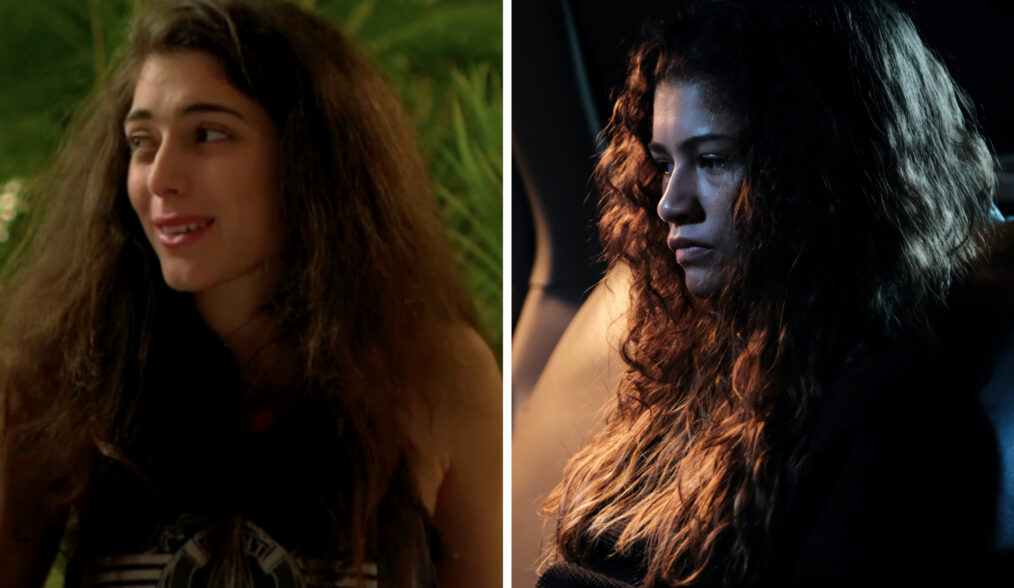
Hofit vs. Rue
Hofit, the inspiration of Zendaya’s Rue, is also a troubled teenager with a serious drug habit and a compromised moral compass to feed her habit. And like Rue, Hofit is driven by a traumatic event in her past — in this case, the murder of a friend, which happened before the series begins. She is often a quiet observer of the events around her, highlighting her isolation.
Rue, on the other hand, is far more volatile. As the narrator, the show depends on her for information, and because of that, audiences are subjected to her inner monologue, which allows her to be witty and, at times, chaotic and uncaring to those around her due to her addiction. Rue was traumatized by her father’s illness and death, and the emotional toll led her to seek out drugs as a refuge.
In addition to the characters, the casting also strikes a similar chord: In the HBO series, Rue is played by former Disney star/current A-lister Zendaya, while in the Israeli version, Pop Idol winner Roni Dalumi was cast as Hofit. Both actresses began their careers as sugary sweet stars known for their innocence, but transformed their image thanks to the series.
The parents are MIA
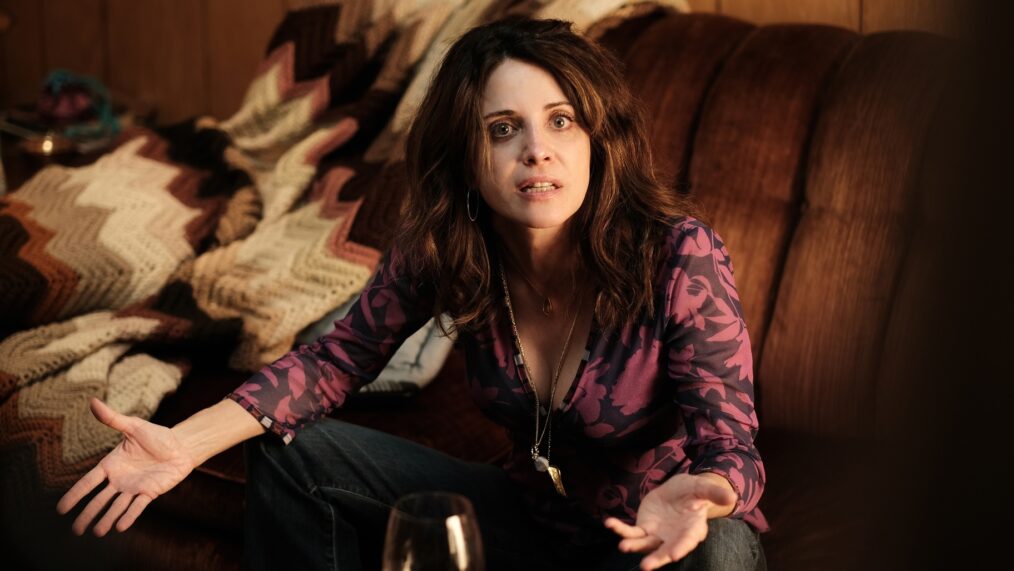
In the American series, the parents are present in the teens’ lives, though they are often depicted as deeply flawed, and sometimes outright terrible. For example, Nate’s father, Cal (Eric Dane), is a closeted pansexual man who has an affair with the underage Jules, a secret he will do anything to protect. As he struggles with his sexuality, Cal abuses his family and is particularly harsh on Nate, creating a destructive cycle of violence.
Or consider Cassie’s parents: her addict father Gus (Nick Blood) and her negligent mother Suze (Alanna Ubach), perpetually accompanied by an ever-present glass of wine.
In the Israeli version, parents are largely absent from the teens’ lives altogether.
Current times vs. the 1990s
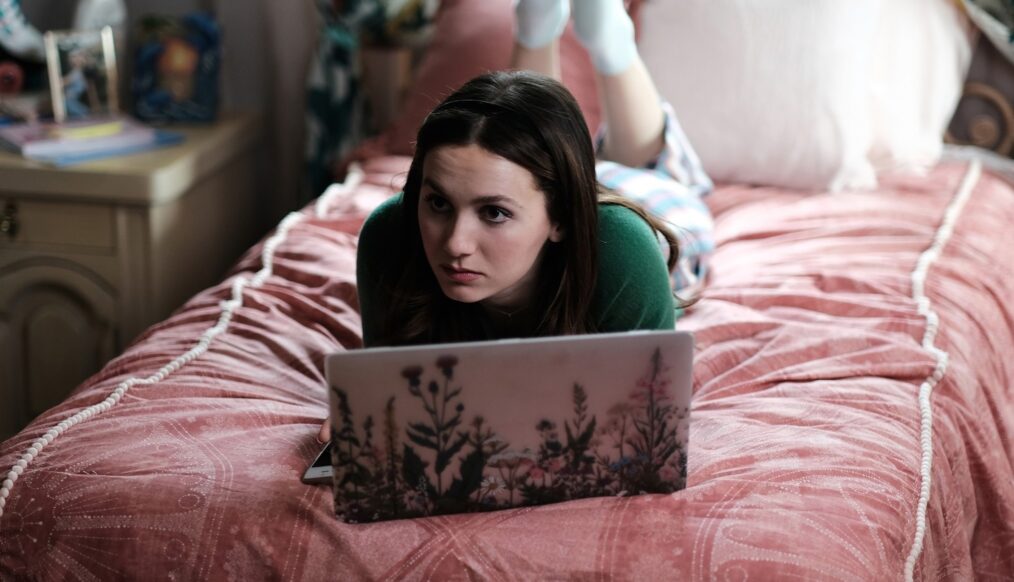
In HBO’s Euphoria, Rue and the gang are very much part of the modern age. They are constantly on their phones, which at times are key plot points, such as when Cassie is cowering in the bathtub to hide from Maddie in Season 2 Episode 1, “Trying to Get to Heaven Before They Close the Door,” but her iPhone gives her away.
But in the Israeli version, the show is set in the ’90s, so sleek, more modern technology, and all of its downfalls, are not part of the lives of the show’s subjects.
The look of the original vs. the look of the American remake
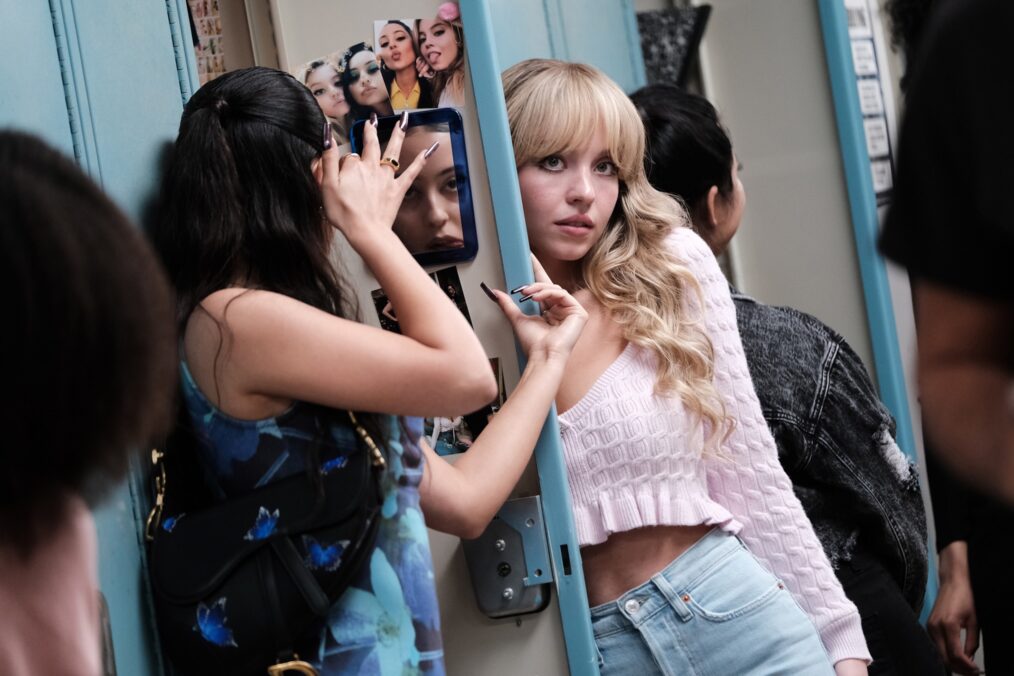
The original Euphoria used handheld shots that added a gritty realism to the show. The scenes were washed out, and the camera was unflinching in how it captured its subjects, giving the show an overall tone of a raw, ground-level portrayal of teen lives in Israel.
For the American version, showrunner Sam Levinson opted for a sleeker approach, using flashy edits, and employing an emotionally driven editing approach that allows more subjective storytelling as the camera follows characters to drive home their internal states.























 Watchlist Easy access to only the shows you care about — all in one simple place
 Alerts Only important notifications — when a show is returning, when it becomes available to stream, and more.
 Special Offers Exclusive products we release related to your favorite shows and streaming services