
Ask Matt: Is ‘Brilliant Minds’ Doomed? A Polarizing Ghost, Dwindling Daytime TV & More



Welcome to the Q&A with longtime TV critic — also known to some TV fans as their “TV therapist” — Matt Roush, who’ll try to address whatever you love, loathe, are confused or frustrated or thrilled by in today’s vast TV landscape. (We know background music is too loud, it’s the most frequent complaint, but there’s always closed-captioning. Check out this story for more tips.)
One caution: This is a spoiler-free zone, so we won’t be addressing upcoming storylines here unless it’s already common knowledge. Please send your questions and comments to [email protected]. Look for Ask Matt columns on every other Tuesday.
The End for Brilliant Minds?
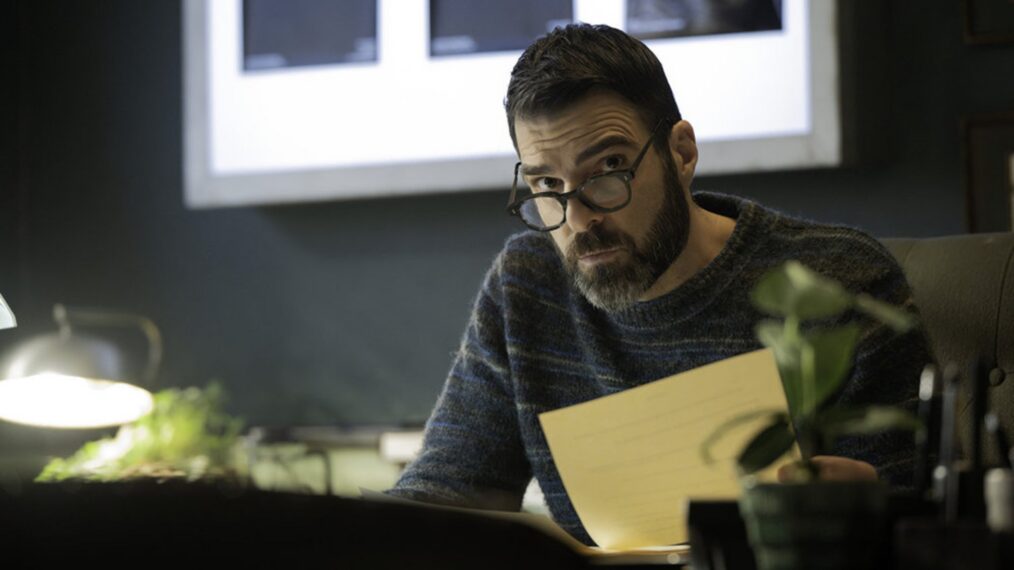
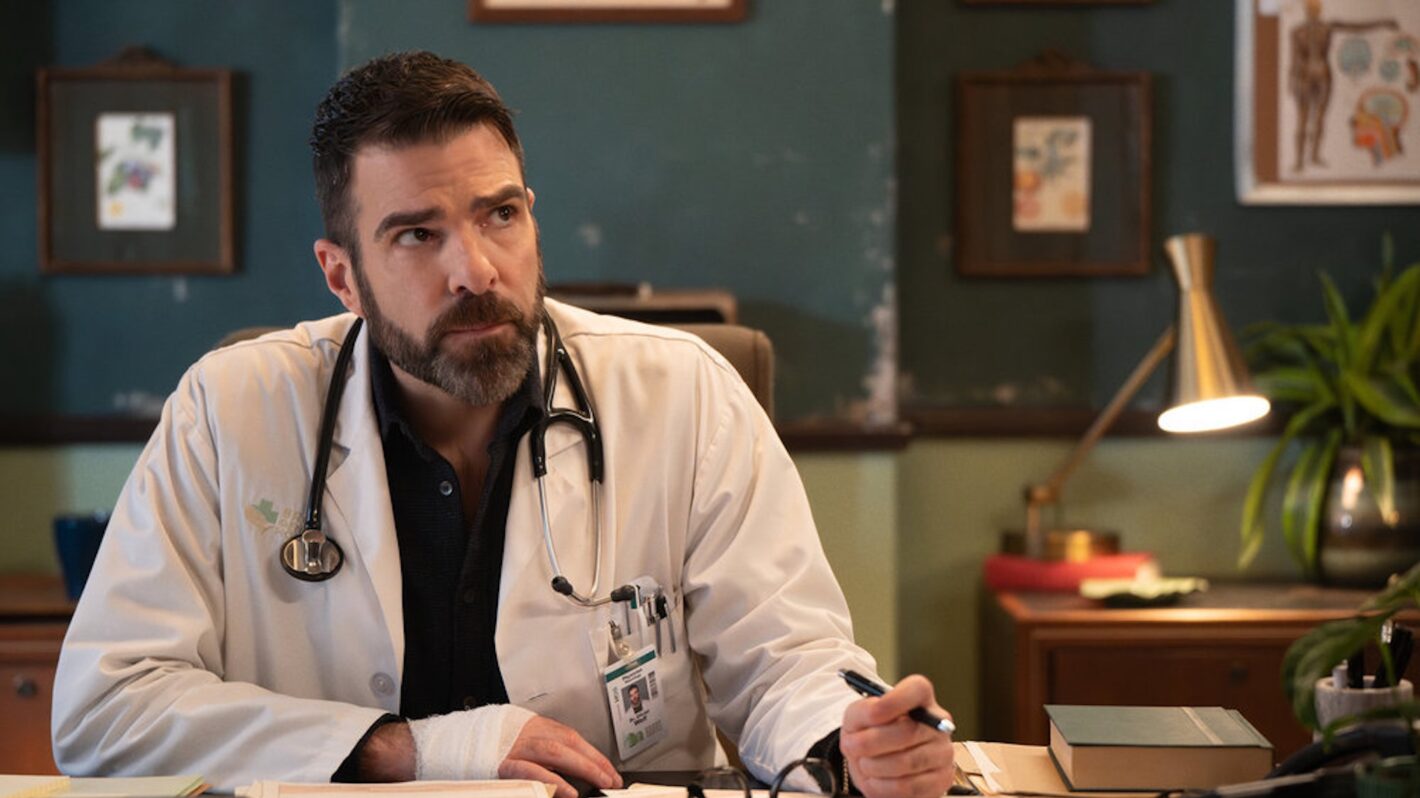
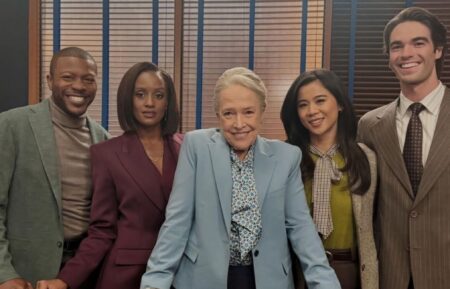
Question: I saw the alarming news that NBC is shelving Brilliant Minds in the post-Olympics midseason and may not air the remaining episodes until later this season or possibly during the summer. Are we to conclude that this is a death knell for one of the few network series that’s not part of a formulaic franchise? I’ll really miss this show if that’s the case, especially Zachary Quinto, who’s so good as the empathetic Dr. Wolf. — Justin
Matt Roush: I’m afraid it isn’t looking good, especially if NBC holds the episodes till the summer, by which time the network will already have set next season’s schedule, most likely without this above-par medical drama. It’s a shame, but not really a surprise, since risk-averse network TV is no longer a friendly environment for shows that work outside the norm, in this case, including the rare event of a gay lead character (and actor). I was pleasantly surprised when the show was even renewed for a second season, all things considered, and while I may take issue with some of the creative decisions this season—the framing device teasing Wolf’s impending incarceration, the smarmy new resident, Charlie Porter, who screams “preppy villain” from his first entrance, breaking up Wolf and Josh, the abrupt departures of Van and Jacob—it’s still a mostly compelling series, especially when it leans into its mysteries of the mind. I’ll miss it, too, but I won’t miss those final six episodes whenever they air.
Send This Ghost Back to the Basement!
Question: Can I share how much I loathe the character of Nancy on Ghosts? It’s like nails on a chalkboard, so unlikeable, dreadfully played, and she’s ruining the show. They have had her on six episodes already this season! The cast is already stacked as it is, and most barely have a couple of lines every episode, yet they seem to find a lot of time for Nancy, who isn’t even a regular. Do the writers really think she’s funny? It’s just a 20-minute show. Focus on the regulars and not this tasteless, unfunny recurring one. How can I share with the Ghosts team that she’s ruining this once-hilarious series? The last two episodes, they had her center-stage. I just stopped. If CBS has a thing for her, throw her over at DMV. They have a very annoying cast. — Sean V.
Matt Roush: I appreciate and respect your passionate reaction, even if I courteously disagree. As the most visible (some like Sean would say revoltingly so) and vocal of the basement cholera ghosts, Betsy Sodaro as Nancy has essentially become the ninth “ghost” regular. While I can see that she could be polarizing, her broad performance cracks me up, especially in the way that it unsettles the more proper “upstairs” ghosts whom she relentlessly provokes. I guess I would agree that a little of her goes a long way, but I can’t imagine this version of Ghosts without her. (And just submitting this gripe to this column will likely get the attention of the show’s producers. Thanks for sharing.)
A Drought of Daytime TV
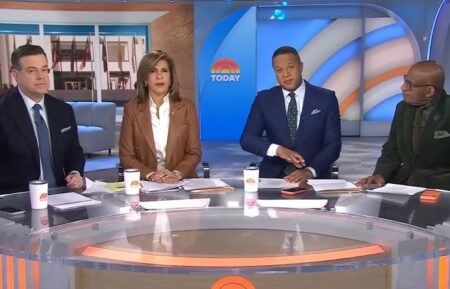
Question: I don’t usually watch TV on the weekdays during the day because I’m at work, but recently, on a day that I was off, I turned on the television and saw what seemed like a lot fewer daytime shows on network TV. Yes, there are still some talk shows, judge shows, game shows, and soap operas, but not as many as before. Now, instead of syndicated shows, there are a lot more news programs. I remember when the local evening news didn’t start until 5 pm, but now it starts as early as 3 pm on some networks, plus we get the live East Coast version of the nightly news here on the West Coast in addition to the normal time period in the evening. Are my perceptions correct that there are fewer daytime programs? If so, why is that? Are so many hours of local news each day that profitable? — Michael
Matt Roush: I imagine it can differ from market to market, but the trend has shifted from a wide variety of syndicated shows during the day toward more local news filling more hours of the afternoon. (My local ABC affiliate, for instance, broadcasts an hour of news at noon where All My Children used to air back in the day, and now features two full hours of local news leading to the traditional 6 pm newscast, which used to benefit from the lead-in of popular talk shows like The Oprah Winfrey Show.) The bottom line: local news is profitable, even when repetitive, and is certainly cheaper when amortized over several hours than purchasing syndicated programming. (Watching HBO‘s recent Mel Brooks documentary took me back to the days when shows like The Mike Douglas Show and Dinah! were daytime staples. Ah, nostalgia.)

The Wile E. Coyote Syndrome (Spoilers!)
Comment: I admit that the acting in Season 2 of Prime Video‘s The Night Manager is first-rate. Diego Calva was mesmerizing whenever he was on screen. He was great in Babylon and other things, but he never struck a chord with me as he does in this one. And of course, Tom Hiddleston and Hugh Laurie are superb. However, I felt let down and disappointed with the last minutes of the finale. [SPOILER ALERT] I really think it was time to put Richard Onslow Roper to bed for good. I was okay with him being alive when we all thought he must be dead, but I think they’re stretching credibility to keep him alive for yet another inevitable sequel. I remember watching Batman in the 1960s and wondering why the villains didn’t just kill, or at least unmask, Batman and Robin as soon as they had them in their clutches, instead of devising intricate traps which would kill them eventually if only the heroes didn’t always find a way to escape. Well, in Night Manager, the good guys and the bad guys all had plenty of opportunities to kill each other, and it just seems contrived to keep Roper alive for another sequel. I should also add that I thought it entirely against all we know of the character played by Olivia Colman for her to cover up Roper’s being alive, even in the face of threats. (However, she should get awards for this performance in a small role. She really becomes whatever character she plays.) — D.P.
Matt Roush: This is a fair point, but the issue here is what happens when you take a satisfying standalone limited series (the original The Night Manager) and then many years later transform it into a projected trilogy. I groaned when Roper re-entered the picture, because as much as I enjoy Hugh Laurie in anything (including the current season of Apple TV‘s Tehran), his fate had been so cunningly determined in the first series. Knowing going in that there would be a third season after the Colombian shenanigans, it felt almost inevitable that Part 2 would end with the villains in the ascendant to set the stage for a third-act reversal — and hopefully we won’t have to wait 10 years between seasons this time. The downbeat finale is on brand with the moral murkiness of the John le Carré universe, but also fair game for criticism. And I love the Batman analogy, which got me thinking of Roper as a Wile E. Coyote archetype, who can be blown up by all types of Acme technology but keeps coming back for more.
Are Fox’s New Series Playing It Too Safe?
Question: I haven’t watched the Fox network for a while, not since they got rid of The Resident and kicked out 9-1-1, but the leads of both Memory of a Killer and Best Medicine hooked me back. I love Josh Charles, especially from The Good Wife, and of course, who can resist McDreamy? Neither show was anything close to bad, but I felt both were watered-down TV. Everything just clicked too perfectly as a premise. Killer seemed too easy of a storyline: rich guy kills bad guys, has a couple of close calls, but all wrapped up in a nice, neat package. I seem to be caring more about his fabulous wardrobe and Porsche than anything he does. The way it’s told, it’s as if a hitman is a normal profession. Dexter this ain’t.
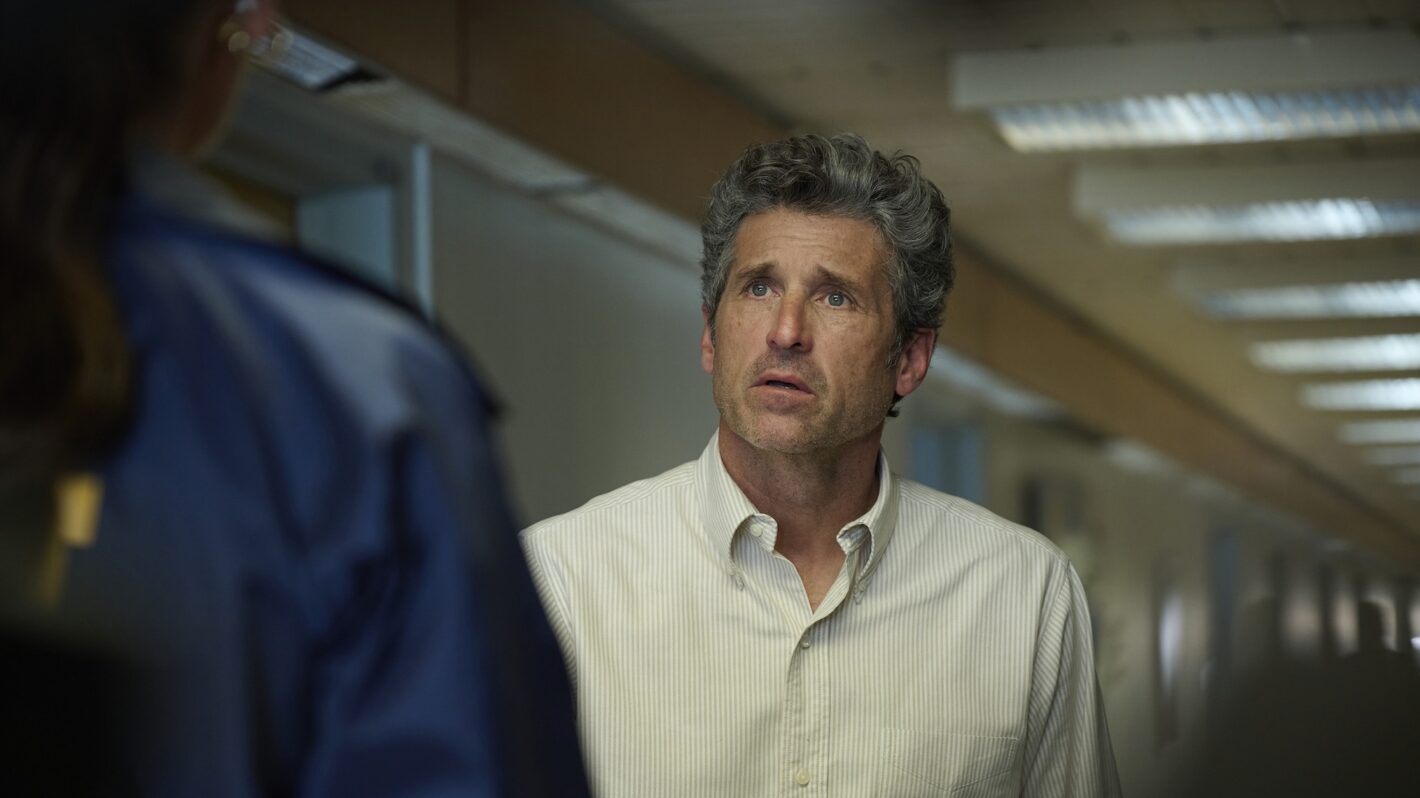
Best Medicine is a little too cutesy playing with the quirky townsfolk thing, and the lead character is adapting way too easily, considering it’s so clear it doesn’t make sense why he would be there. He is a fish out of water, and he meets his potential love interest immediately. It’s all way too falling into place. But I do love Josh!
Broadcast TV may not take chances like some of the cable networks do, but there’s a lot of precedent of shows doing way better than this. I mean, just look at High Potential. It’s a bit fluffy, but at least it gives us something more. It’s as if both shows have been dumbed down for audiences, which is a shame since both have great potential and two irresistible leads. Is this the Netflix formula working its way to broadcast TV? 80% of Netflix these days appears to be Hallmark/Lifetime-esque, and I am feeling it with both these shows. — Jay
Matt Roush: I can’t really disagree with your assessment of either show, though “dumbing down” might be a bit harsh to describe the homogeneity of so much broadcast network TV. Memory of a Killer continues to intrigue me, and while it’s nowhere near as riveting or psychologically complex as classic Dexter, the collision of the main character’s two worlds — his family doesn’t know he’s a hitman, and his underworld associates somehow are clueless that he has a family — is a solid hook, and the ruthlessness of Dempsey’s character can be startling. There’s no question Best Medicine, working from the Doc Martin template, is aggressively quirky to the level of twee, but that’s the formula. And as Jay suggests, star power can carry a show a long way.
A Burning Question
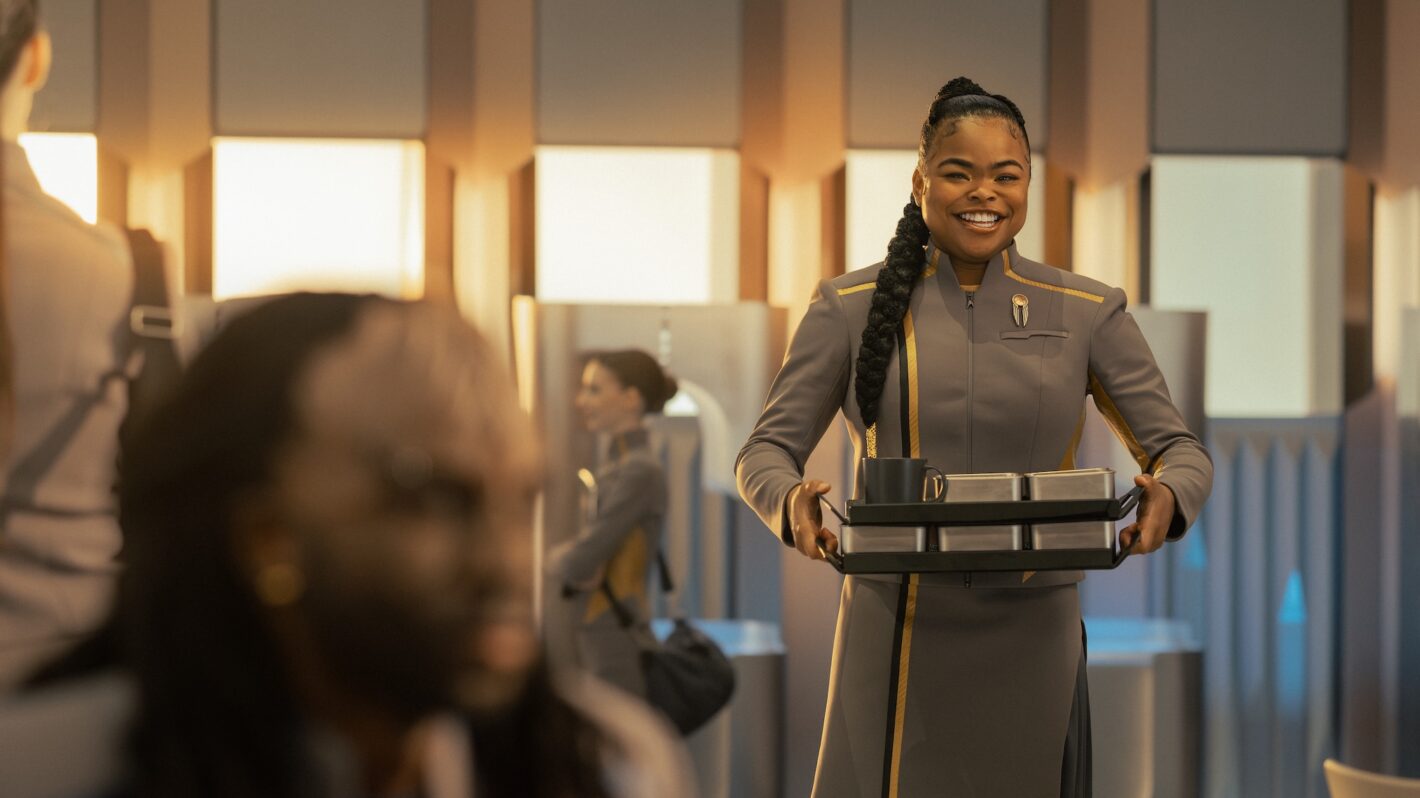
Question: Will season 1 or 2 of Star Trek: Starfleet Academy explain the Burn? – Stephen S.
Matt Roush: To understand the Burn more fully, you’re probably better off dipping into Star Trek: Discovery. Herein lies the risk of leaning too heavily into a franchise’s pre-existing mythology. Too much exposition will bore the fan who’s a completist and has seen it all. Too little and it confuses those who aren’t Trek experts. For those who don’t mind a little homework, this primer might be helpful.
And Finally …
Question: Judging from your response to a recent question about the upcoming Peacock series Crystal Lake, you seem to have a favorable opinion of the Friday the 13th horror franchise overall. You may be aware that back in the 1980s, the Friday the 13th feature films famously received terrible reviews from critics, including the now-deceased likes of Gene Siskel and Roger Ebert. Other entities bashed the movies as well. Do you think the bad publicity the franchise got back in the day could hurt Crystal Lake‘s chances of receiving any Emmy nominations? Sorry, Matt, but I can’t help but think that various actors’ association with the infamous franchise hurt their respective careers. — Alvin
Matt Roush: The original Crystal Lake question, from someone who appeared to be a fan of the franchise, was about the possibility of “final girl” survivors from the movie series doing cameos as an homage in this prequel series. It didn’t feel appropriate in that context to either condemn or praise the Friday the 13th movies or the slasher genre as a whole, which are at their best a guilty pleasure and have never relied on critical reviews—let alone awards nominations (except maybe the “Razzies”)—for their success. (For the record, my favorite slasher franchise is the Scream movies, and even that’s getting a little stale—but I’m already planning to attend the next one.) What’s beyond debate is whether the Friday the 13th movies are iconic enough to merit this sort of spinoff, and the answer is yes. My hope is that the execution (no doubt bloody) will exceed expectations, with Bates Motel (the Psycho prequel) a model on how to do it with proper respect and creativity.
That’s all for now. We can’t do this without your participation, so please keep sending questions and comments about TV to [email protected]. (Please include a first name with your question.)




 Watchlist Easy access to only the shows you care about — all in one simple place
 Alerts Only important notifications — when a show is returning, when it becomes available to stream, and more.
 Special Offers Exclusive products we release related to your favorite shows and streaming services