
Hip-Hop Pioneer Afrika Bambaataa Dead at 67



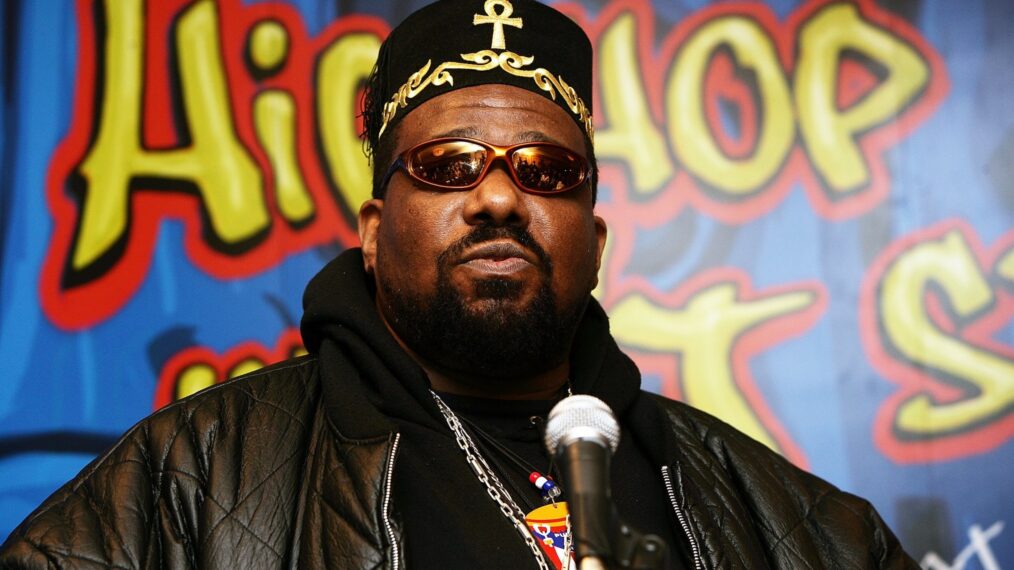
Afrika Bambaataa, the pioneering hip-hop DJ, rapper, and founder of the Zulu Nation, has died from complications relating to cancer. He was 67.
TMZ reported that the musician died in the early hours of Thursday, April 9, in Pennsylvania.
Bambaataa is best known as one of the founding fathers of hip-hop culture, often called the “Godfather of Electro Funk,” and for his seminal 1982 track “Planet Rock.”
Born Lance Taylor in 1957 in the South Bronx, New York, Bambaataa became known as a DJ at local community centers across the neighborhood in the early 1970s, inspired by the work of DJ Kool Herc, who is often deemed the father of hip-hop. The popularity of his DJ skills and his parties brought him widespread recognition, helping lay the foundation for his role as one of the culture’s most influential early figures.
Songs like the electro-funk track “Planet Rock,” which famously sampled German synth pioneers Kraftwerk; “Renegades of Funk,” which gained renewed notoriety after being covered by Rage Against the Machine; “World Destruction,” a collaboration with John Lydon of Sex Pistols and Public Image Ltd; and “Afrika Shox,” a successful collaboration with the electronic group Leftfield, showcase the breadth and lasting influence of his sound.
In Netflix’s The Get Down, Bambaataa was portrayed by actor Okieriete Onaodowan as a central figure to the hip-hop movement as it evolved out of New York block parties, along with Grandmaster Flash and DJ Kool Herc.
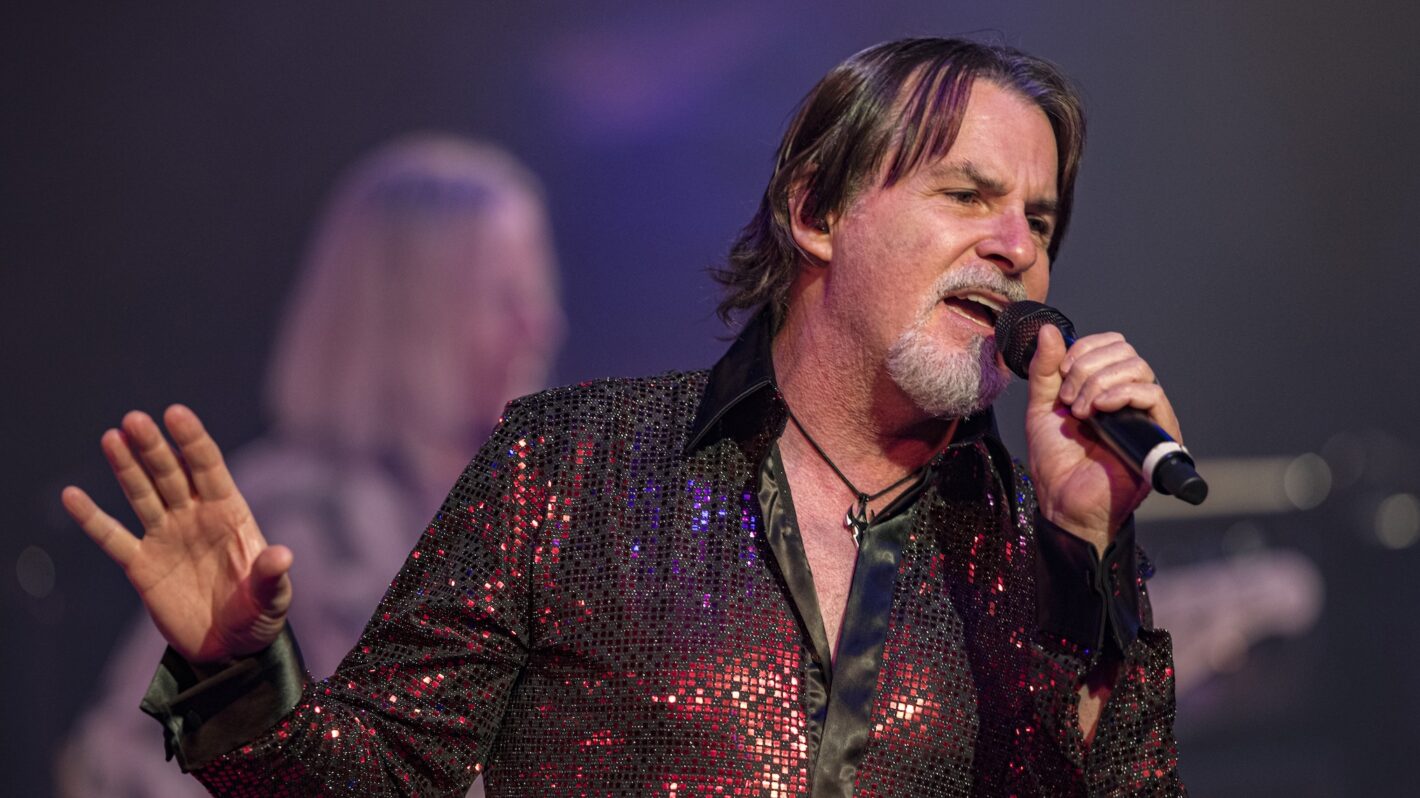
Music legend, rapper, producer, and DJ Kurtis Blow wrote a statement on social media about the passing of Afrika Bambaataa, reflecting on his influence and legacy in the early days of hip-hop.
“Today, we acknowledge the transition of a foundational architect of Hip Hop culture, Afrika Bambaataa,” said Blow. “As the founder of the Universal Zulu Nation, Afrika Bambaataa helped shape the early identity of Hip Hop as a global movement rooted in peace, unity, love, and having fun. His vision transformed the Bronx into the birthplace of a culture that now reaches every corner of the world.”
“Through his music, leadership, and influence, he contributed to the foundation of Hip Hop’s core principles, inspiring generations of MCs, DJs, breakers, and cultural leaders. His imprint on Hip Hop history is undeniable and will forever remain part of the culture’s origin story,” he continued.
“At the same time, we recognize that his legacy is complex and has been the subject of serious conversations within our community,” wrote Blow. “As an organization committed to truth, accountability, and the preservation of Hip Hop culture, we believe it is important to hold space for all voices while continuing to uplift what empowers and protects the people. Today, we extend our condolences to all who were impacted by his life, his work, and his presence.”
View this post on Instagram
Bambaataa’s later life was marked by a host of legal issues, including widespread allegations of sexual abuse that surfaced in the mid-2010s, which, according to Rolling Stone, he denied. Bambaataa and other Zulu Nation leaders were accused of abuse, and in 2025, Bambaataa lost a civil case when he failed to show up in court.






 Watchlist Easy access to only the shows you care about — all in one simple place
 Alerts Only important notifications — when a show is returning, when it becomes available to stream, and more.
 Special Offers Exclusive products we release related to your favorite shows and streaming services