
2026 Daytime Emmys Unveil Major Changes to Awards Show




What To Know
- The National Academy of Television Arts & Sciences has announced new changes to the nominations submissions system for the 2026 Daytime Emmys.
- The changes include the elimination of a category and rules about how many nominations a given category can have.
- The 2026 Daytime Emmys will take place on October 30.
Changes are in store for the 2026 Daytime Emmys, particularly with how actors and shows will be nominated for the night’s biggest awards.
Variety reported on Thursday, March 19, that submissions for the 2026 Daytime Emmys are officially open. As the submission process begins, the outlet revealed that the National Academy of Television Arts & Sciences (NATAS) has made several changes to the ceremony’s nominations system, including eliminating the Outstanding Science and Nature Program category.
One change includes having episode-based nominations in the “craft categories,” rather than team-based submissions, allowing shows to receive multiple nominations in a single category.
Additionally, daytime dramas and non-fiction programs will compete against each other in the same categories, except for writing and directing. However, the categories can be split if daytime drama and daytime non-fiction programs each receive at least 10 submissions.
Shows that would have fallen in the Outstanding Science and Nature Program category will be moved to the News and Documentary Emmys and the Primetime Emmys.
To be eligible for the Guest Performer in a Daytime Drama category, an actor must appear in 19 percent of the episodes aired or streamed during the 2025 calendar year. If not, the actor can only be submitted in the Leading, Supporting, or Emerging Talent acting categories. (According to the outlet, actors could be nominated in the category if their performance was “in a limited role with a definitive beginning and end to the story arc.”)

Alberto E. Rodriguez/Getty Images
Some categories are getting name changes. Rather than categories being sorted into “multi-cam” or “single-cam” shows, they will now be defined as “studio” or “non-studio” programs. “Programs featuring both filming styles must a) choose to enter categories featuring the predominant style and b) may NOT enter certain crafts in one style and other crafts in the other style,” NATAS told the outlet. “Predominant is defined as 50.1%. This applies in non-fiction directing, technical direction, and editing categories.”
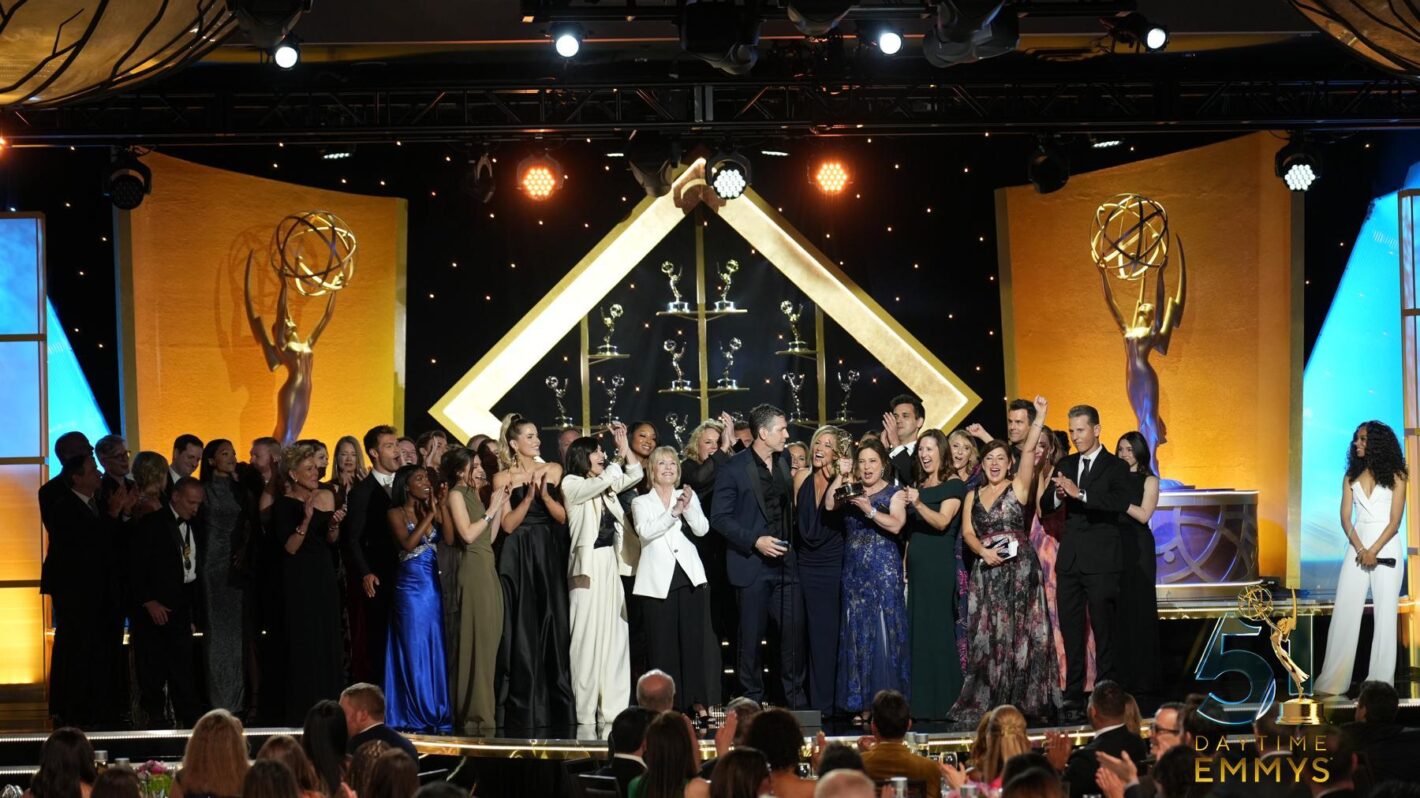
Judging will now take place by members of NATAS and the Television Academy, as well as dual members. “Members in applicable categories will be assigned, at the discretion of competition administrators, to the appropriate category or categories, as outlined in our judging guidelines,” NATAS stated.
In another rule change, the number of submissions for a given category will now determine the number of nominations given out. For example, if a category receives between 10 and 29 submissions, the category will consist of five nominations total. The maximum number of nominations a category can consist of is 10, which means 150 or more submissions were submitted.
If a category receives fewer than 10 submissions, the nominees will consist of 50 percent of the category’s submissions, rounded up to the closest whole number. Categories with three or fewer submissions will not be included in the official nominations list.
The 2026 Daytime Emmys will take place on October 30. Nominations will be announced at a later date.






 Watchlist Easy access to only the shows you care about — all in one simple place
 Alerts Only important notifications — when a show is returning, when it becomes available to stream, and more.
 Special Offers Exclusive products we release related to your favorite shows and streaming services