
‘The Gray House’ Stars Reflect on That Fiery Finale & Their Characters’ Fates (VIDEO)



What To Know
- The Gray House on Prime Video sheds light on the little-known heroes of the Civil War.
- Here, the actors portraying the real-life characters reflect on their fates.
The Gray House takes audiences back a century and a half to a critical time in America’s history, shedding light on the little-known stories of some very impactful Civil War-era figures.
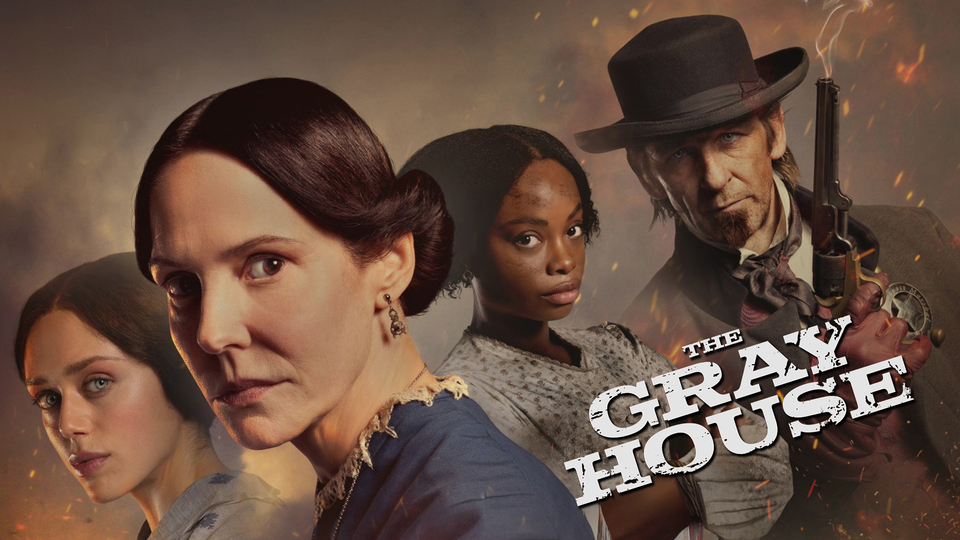
Centering on the Van Lews, the eight-episode drama series reveals how a mother-daughter duo joined forces with their former slave to run a secret spy ring to aid the Union army, right under the noses of Confederate leaders in Richmond, Virginia.
Their wartime efforts quietly changed the course of history, and since their stories were largely forgotten, the show aims to both entertain and educate audiences about both their triumphs and tragedies.
TV Insider spoke to many members of the sprawling, star-studded cast about the series’ most emotional moments, particularly in the finale, in the video above. If you haven’t yet watched all of The Gray House, save this page for later because there are major spoilers ahead.
Mary-Louise Parker thought Eliza Van Lew’s life ended on her own terms.
Unfortunately, Eliza didn’t get to see the fruits of her labor because she unexpectedly died alone before her family’s sacrifices proved to be successful.
For Mary-Louise Parker, who portrayed the lionhearted matron of her family, it was still a fitting end for her, as she got to say what she needed to do to her daughter before collapsing.
“I think she wanted to die alone. I think she’s like a loyal animal or something that doesn’t want you to watch it suffer, and would go off into a corner,” the actress said. “I loved the scene before it with Daisy [Head]. I think that’s the important scene, and Ben [Vereen]‘s character… I thought that was really beautiful that he’s kind of there for her, in a way. I think she anticipated that and was comforted by [the fact] that he would be there.”
Daisy Head was deeply affected by Elizabeth Van Lew’s trauma.
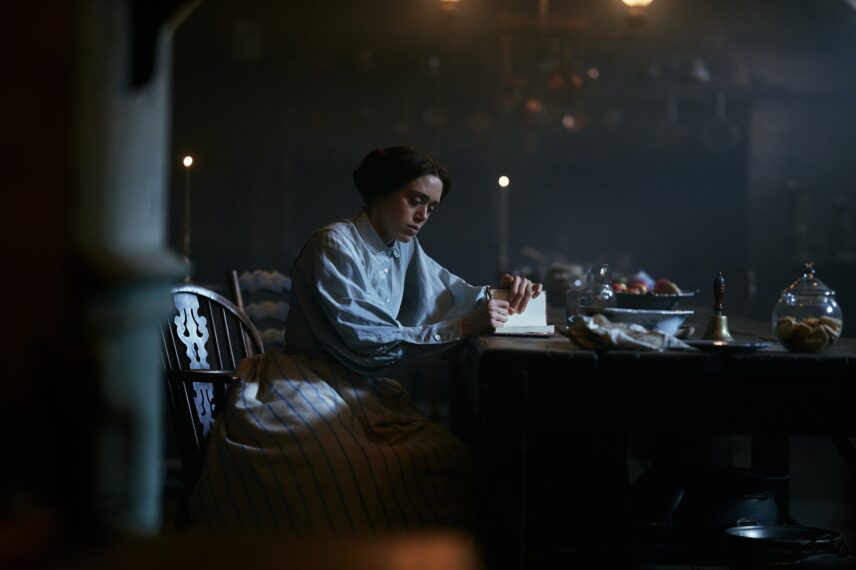
Elizabeth took her mother’s death very hard and ceased all activities, both within her family’s spy ring and without. She eventually rejoined the effort after experiencing severe depression, but she was ultimately caught and sentenced to death by hanging.
Instead of being afraid, though, she was defiant as she stepped up to the gallows, not knowing that she’d ultimately be saved by the arrival of Union soldiers.
Daisy Head said she found it to be “incredibly inspiring” that Elizabeth had such “utter resolve that she was willing to sacrifice everything, even her own life.” The experience of portraying the scene of being hanged (unsuccessfully) was a harrowing one, despite knowing there were safety measures on set. “I wanted to make it look as genuine as possible, and I remember this scene vividly. Obviously, I was in control for safety reasons. But gosh, yeah, definitely my body felt the beginning effects of it, and just the planning that takes over. But again, just testament to her strength of character, and I hope I did her justice.”
Prime Video
Amethyst Davis worked to give Mary Jane Richards an air of defiance in the middle of devastation.
Mary Jane endured her own moment of extreme trauma when she was publicly lashed for being out without a pass. Despite such humiliation and pain, Mary Jane remained stoic while being whipped and only shed tears after it was over, and she was alone.
“I knew the way I wanted to play it,” Amethyst Davis said of the scene. “I felt like she was still defiant, ‘Yes, I’m scared. Yes, this hurts. I’m not gonna let you all see me cry.’ That is what I was thinking. And also, I have watched Denzel Washington in Glory — and I’m no Denzel Washington, but his performance was in my head. I’m like, ‘Nah, I can’t let these people see me cry. I can’t let them see how they may have gotten me down right now.’ And I remember that’s what I was thinking would be Mary Jane’s thoughts in that moment.”
Rob Morrow thought Judah Benjamin redeemed himself before it was all said and done.
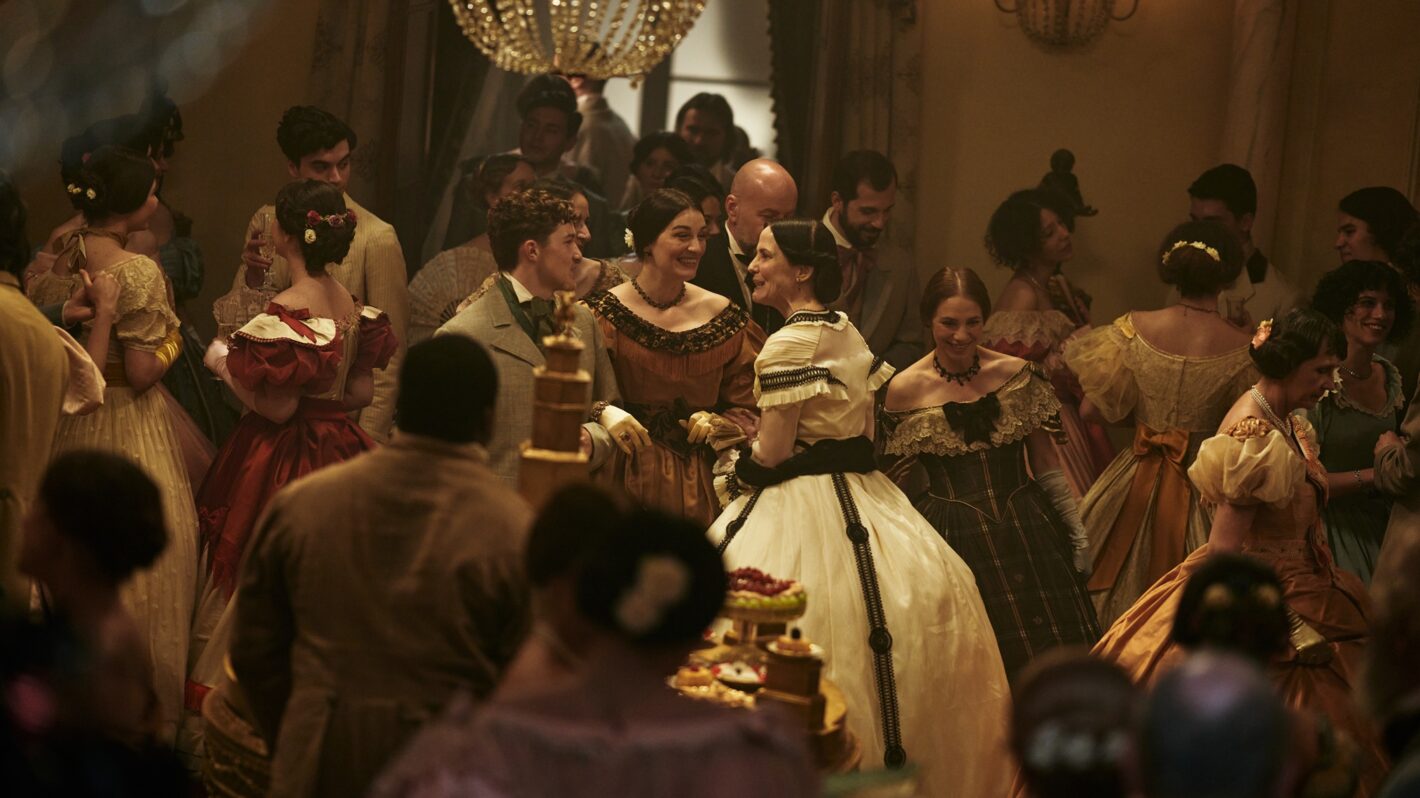
After discovering that Clara was helping feed information from him and other Confederate soldiers frequenting the brothel to the Union army with Elizabeth, Judah turned her over to Stokely to be tried and executed. He ultimately returned to rescue her from imprisonment, though, before she could be assaulted by another man and hanged.
For Rob Morrow, who portrayed him, it was a welcome moment of redemption. “It showed the decency of the man, at least in the context of the story. It showed that he was a stand-up guy. There are so few in the show that I think it’s a nice color to see in there. It’s certainly admirable to sacrifice himself or to risk sacrificing himself.”
Hannah James was proud of Clara Parish, despite her sad fate.
Despite being saved from prison by Judah, things still didn’t end well for Clara Parish. As she raced to catch the train out of town, where Judah seemed to be waiting for her, she was shot in the back by Stokely.
For Hannah James, Clara’s fate was “devastating,” but not unexpected. “I think she’s completely aware of the sacrifice and the risks going into this, and it feels like a bold statement to make, but I would say that she would still say that it was worth it. Otherwise, she wouldn’t have signed on for what she did. She knew all the risks at stake and willingly gave her life to the cause. And I think that, as she should be, she would be incredibly proud.”
Robert Knepper loved what became of the villainous Bully Lumpkin.
The most (deservedly) upsetting death was that of Billy Lumpkin, who, in the melee following the Union soldiers’ takeover of town, tried to burn a cart full of enslaved men alive and mocked them as they screamed in anguish. Fortunately, they were soon freed from the trap, and then Bully found himself pinned beneath a beam as the room he was in went up in flames.
For Robert Knepper, it was a just final moment for his loathsome Confederate counterpart. “I thought it was very fitting. There’s a moment right before the fire starts where I’m out with the wall in front of the slaves, and Roland [Joffe, director] just said, ‘Go for it. Just go for whatever comes to you.’ And I started acting like a monkey, making fun of them. And it was just, I mean, I think about it afterwards … acting, you can’t think too much because it’ll stop your impulses. And I thought, yep, especially because of that moment of acting like, ‘Oh, you’re trapped inside here, and there’s a fire. Oh, I started the fire. That’s right,’ he absolutely had his comeuppance.”
Be sure to watch the video above for all of this and more from the cast of The Gray House.
The Gray House, Now streaming, Prime Video
















 Watchlist Easy access to only the shows you care about — all in one simple place
 Alerts Only important notifications — when a show is returning, when it becomes available to stream, and more.
 Special Offers Exclusive products we release related to your favorite shows and streaming services