
Every Season of ‘American Horror Story’ So Far, Ranked by Scariness



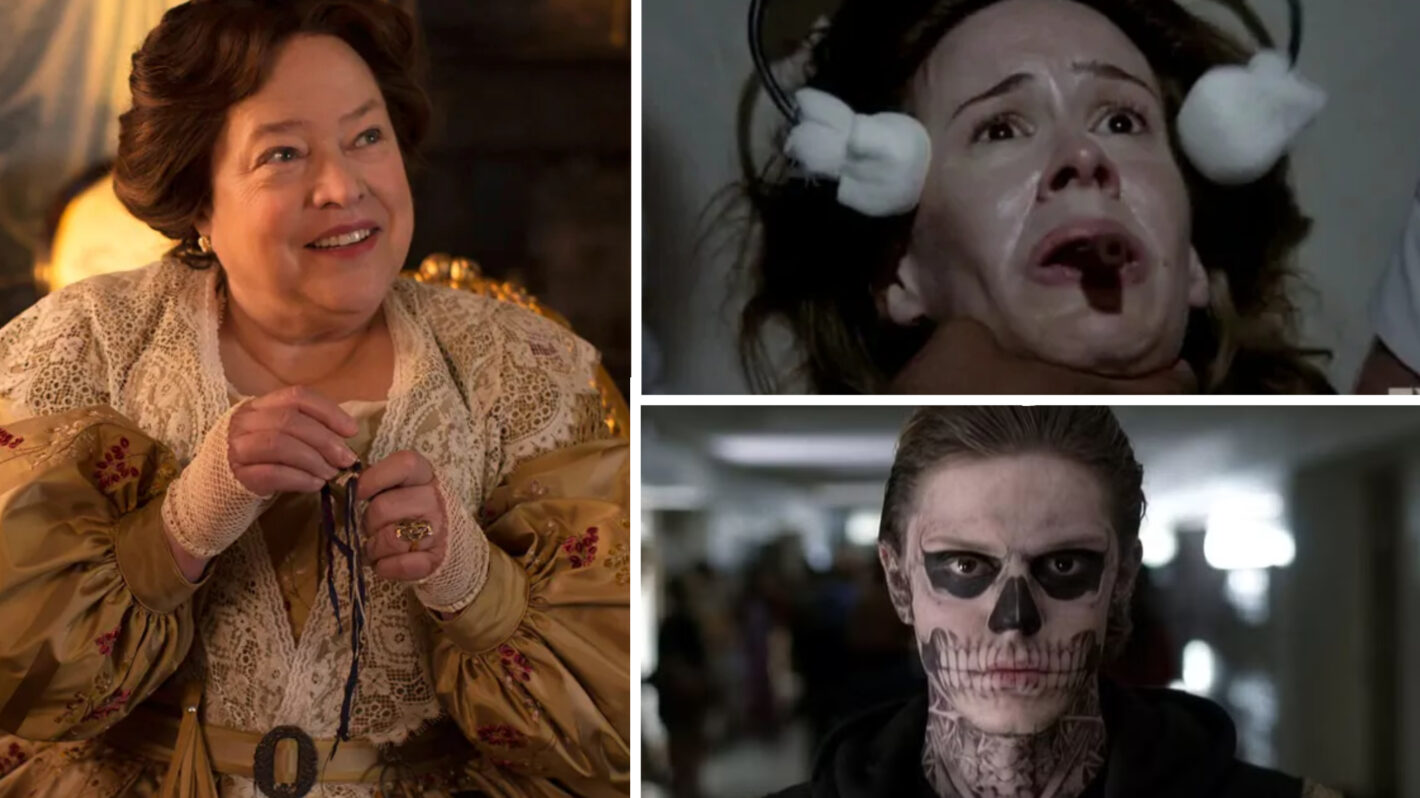
Few series have had as long-lasting and as varied a run as FX’s American Horror Story. Across 12 seasons, we’ve been everywhere from a haunted murder house to a creepy hotel to the Roanoke colony, with plenty of memorable scares along the way.

The anthology show has crossed over so many genres and subgenres of horror that there’s something for everyone, which may be its biggest strength. And with the spinoff American Horror Stories (featuring a different storyline each episode) now part of the expanding universe, fans have a lot to enjoy from the franchise.
With Season 12 now behind us and Season 13 on the way — bringing the series back into witch territory in 2026 — it feels like the perfect time to look back at every chapter of American Horror Story so far. Which seasons truly terrified us, and which ones fell short? Below, we take on the difficult task of ranking them, factoring in both pure scare factor and the overall strength of each season’s wildly different storyline.
American Horror Story, Season 13, Halloween 2026, FX/Hulu
American Horror Story, Seasons 1-12, Available now, Hulu
12. Double Feature (Season 10)
Double Feature, considered by fans and critics alike to be one of the worst seasons of the series thus far,
suffered largely because of its uneven split format. The first half, “Red Tide,” centered on a mysterious black pill that could unlock a person’s creative genius — but at a cost. Those with true talent became razor-sharp, blood-drinking auteurs, while anyone mediocre devolved into mindless, Nosferatu-like creatures doomed to wander and feed. The sad, eventual fate of Lily Rabe‘s Doris Gardner is both horrible and horrifying.
The second half, “Death Valley,” pivoted sharply into alien horror, jumping between two timelines. In the modern day, a group of college campers are abducted and impregnated as part of an extraterrestrial experiment, while the historical timeline reveals how long the aliens have been influencing Earth.
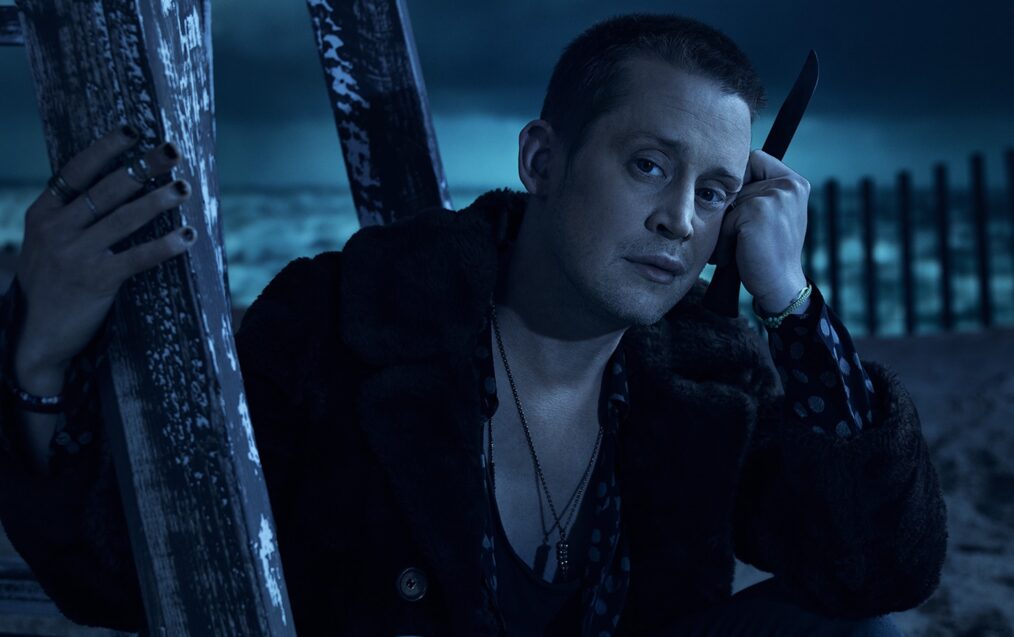
Despite its lukewarm reception, Macaulay Culkin shines as ne’er-do-well Mickey.

11. Delicate (Season 12)
Delicate, with all its Hollywood glitz, glam, and gory glory, ultimately didn’t deliver one of the stronger AHS seasons, despite a committed performance from franchise veteran Emma Roberts and newcomer Matt Czuchry. Adapted from Danielle Valentine’s novel Delicate Condition, the season tackles the idea of women being dismissed, doubted, and gaslit—especially during pregnancy, when they’re at their most vulnerable. And while it served up plenty of body horror and blood-soaked set pieces worthy of a Ryan Murphy production, the twists were often too bizarre, too random, too unexplained, and, worst of all, unintentionally goofy.
10. Cult (Season 7)
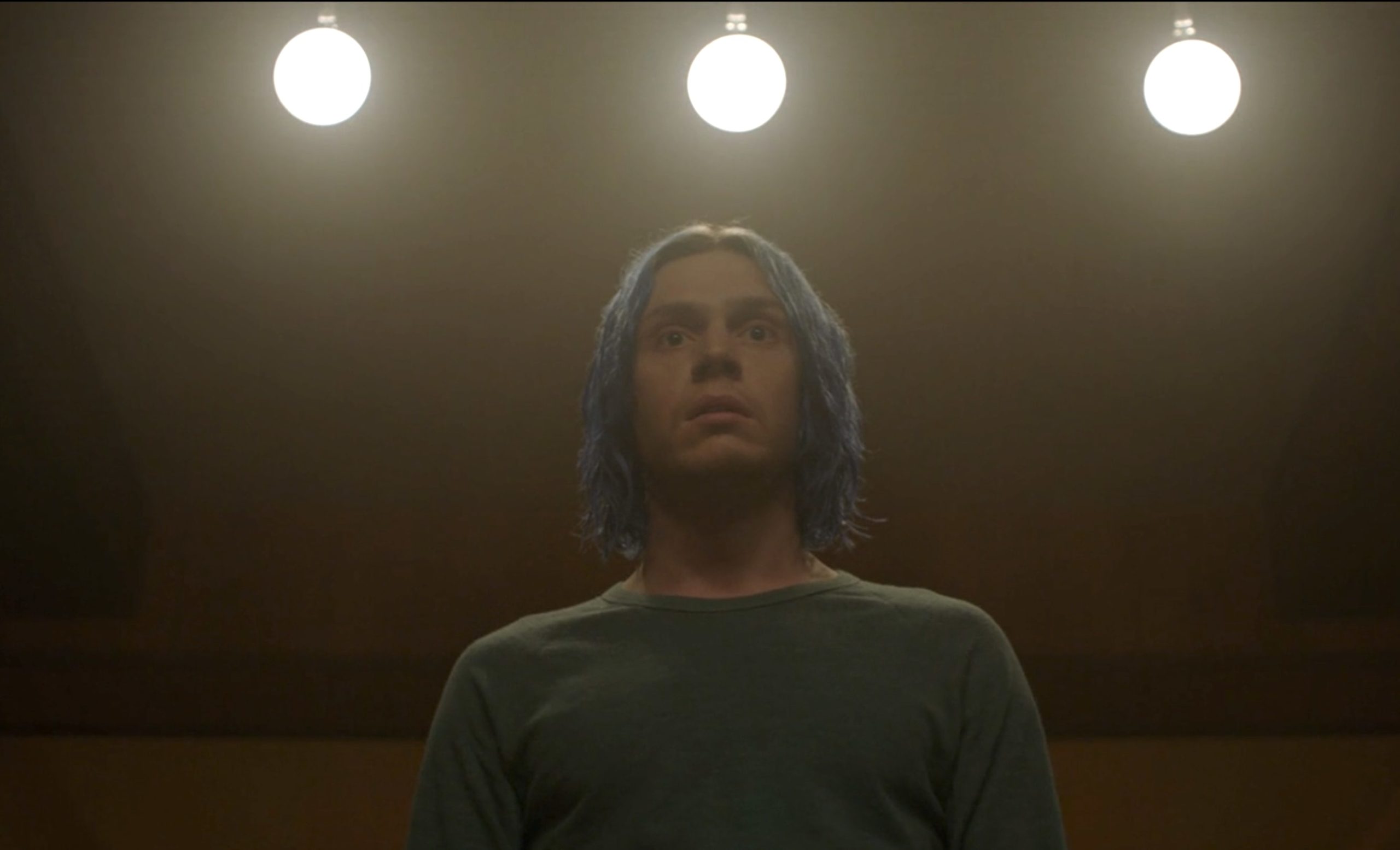
Cult was when AHS decided to go political. And as expected, it had some very mixed results. Released in 2017 following Donald Trump winning the presidential election the first go-round, Cult used an actual cult in the show as an analogy for Trump’s base. It featured Evan Peters turning into a cult leader who emulates basically every famous cult leader. It was a weird season, and a lot of it didn’t quite hit the mark. Still, the nail gun scene was a masterclass in depravity, making viewers squirm in their seats each time the trigger was pulled.
9. NYC (Season 11)
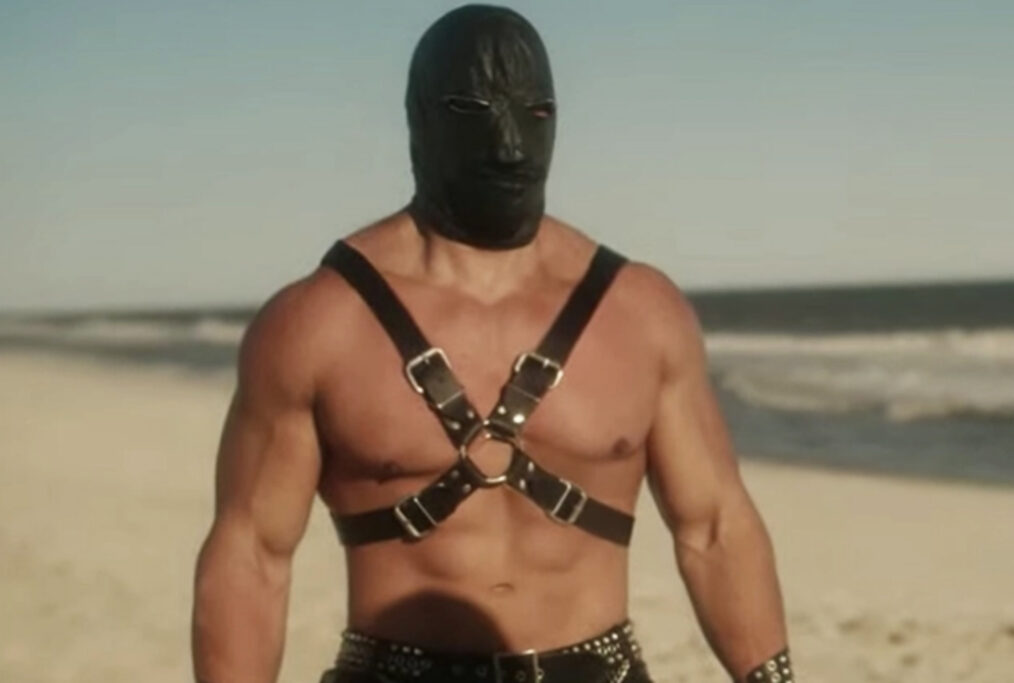
The 11th season of the eerie series was similar to Cult and Freak Show in that it had fewer supernatural elements, allowing real-life circumstances to provide the fear instead. The one ghostly figure of the season was the masked Big Daddy, who we learned in the end was effectively a spectral manifestation of AIDS. Those who contracted the illness would be haunted by Big Daddy’s presence. His ominous appearances were a deadly foreshadowing. NYC captured the impending doom of the AIDS epidemic, plus the crushing reality of seeing the masses ignore your cries for help. The Sentinel and its serial-killer creator also provided unsettling and frightful moments throughout the season. Murphy’s connection to the LGBTQ+ community, plus the timing of NYC‘s release following another deadly pandemic and amid increasingly alarming anti-LGBTQ+ legislation in the U.S., makes Season 11 a perfect fit for the franchise. And it certainly packs some of the biggest emotional punches.
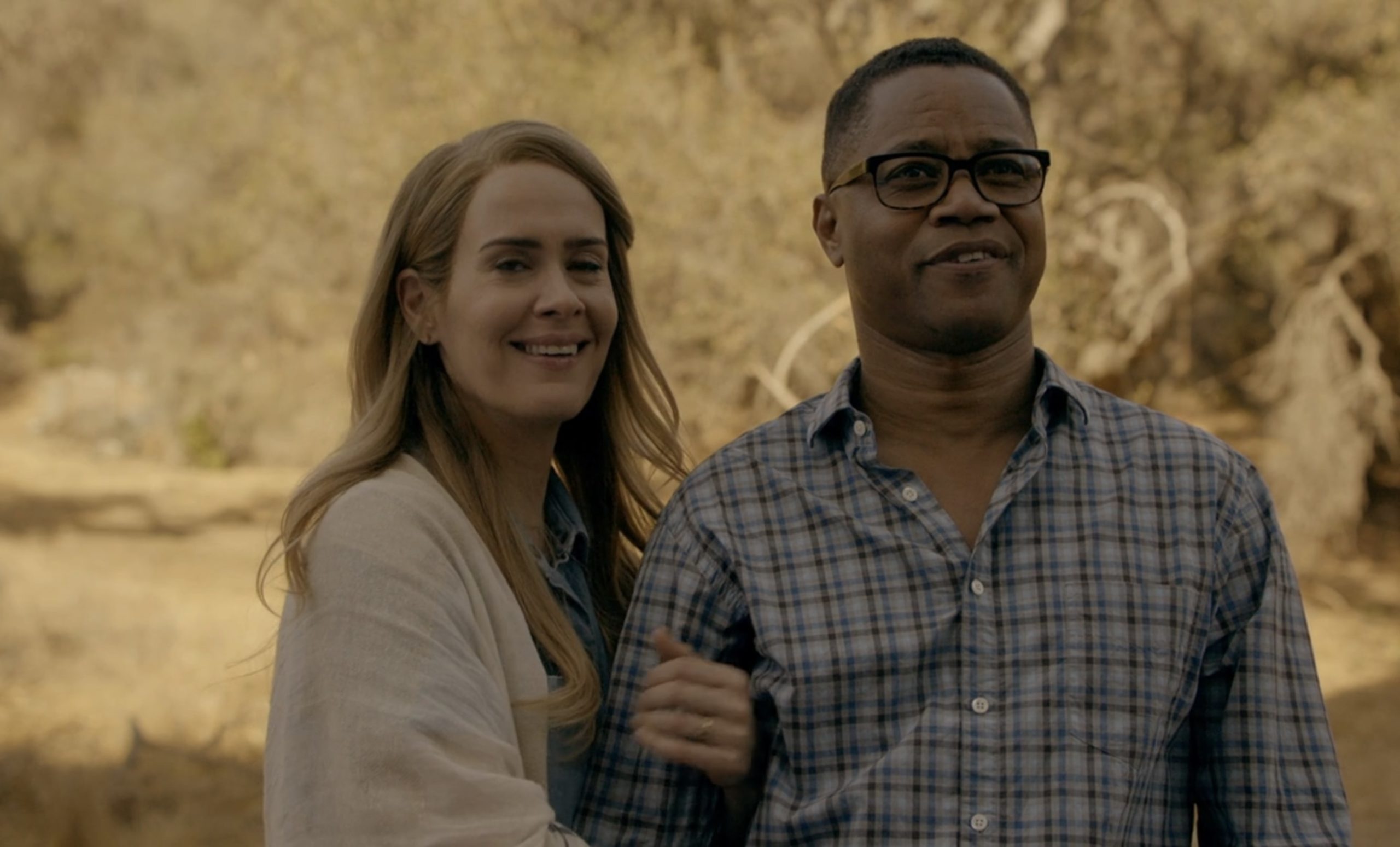
8. Roanoke (Season 6)
This was AHS at its most meta and in some ways most daring. Roanoke followed a couple living in a haunted house, who then became involved with a show-within-a-show documentary retelling of the haunting that also dealt with the historical disappearance of the Roanoke Colony in the 1500s. It’s very twisty, very layered and often very spooky (such as the Piggy Man’s murders).
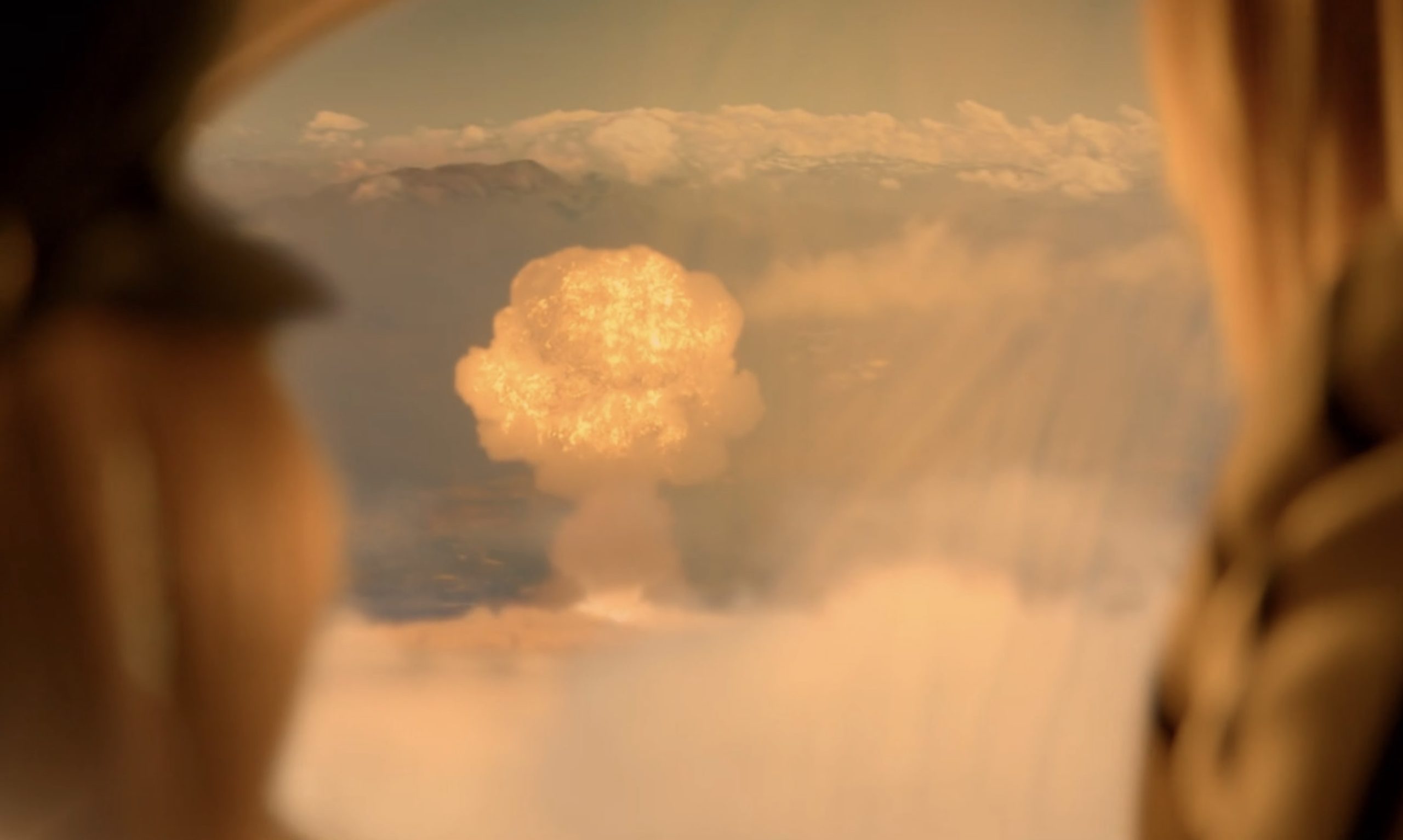
7. Apocalypse (Season 8)
The all-stars season of AHS looked back to some of the most popular entries in the franchise to create what was basically a season-long crossover between Murder House, Coven, and a dash of Hotel. It started with the premise of a nuclear apocalypse, leaving only a handful of people alive, but things got a lot more interesting once the witches showed up and the story circled back to the Murder House itself. With beloved characters dragged out of Hell only to be put right back in danger, fans were on edge. But nothing spiked the anxiety quite like Cody Fern’s performance as Michael Langdon, the Antichrist, whose cold detachment and growing powers made him one of the most unsettling villains the series has ever produced. It was fan service, yes, but fan service with teeth.
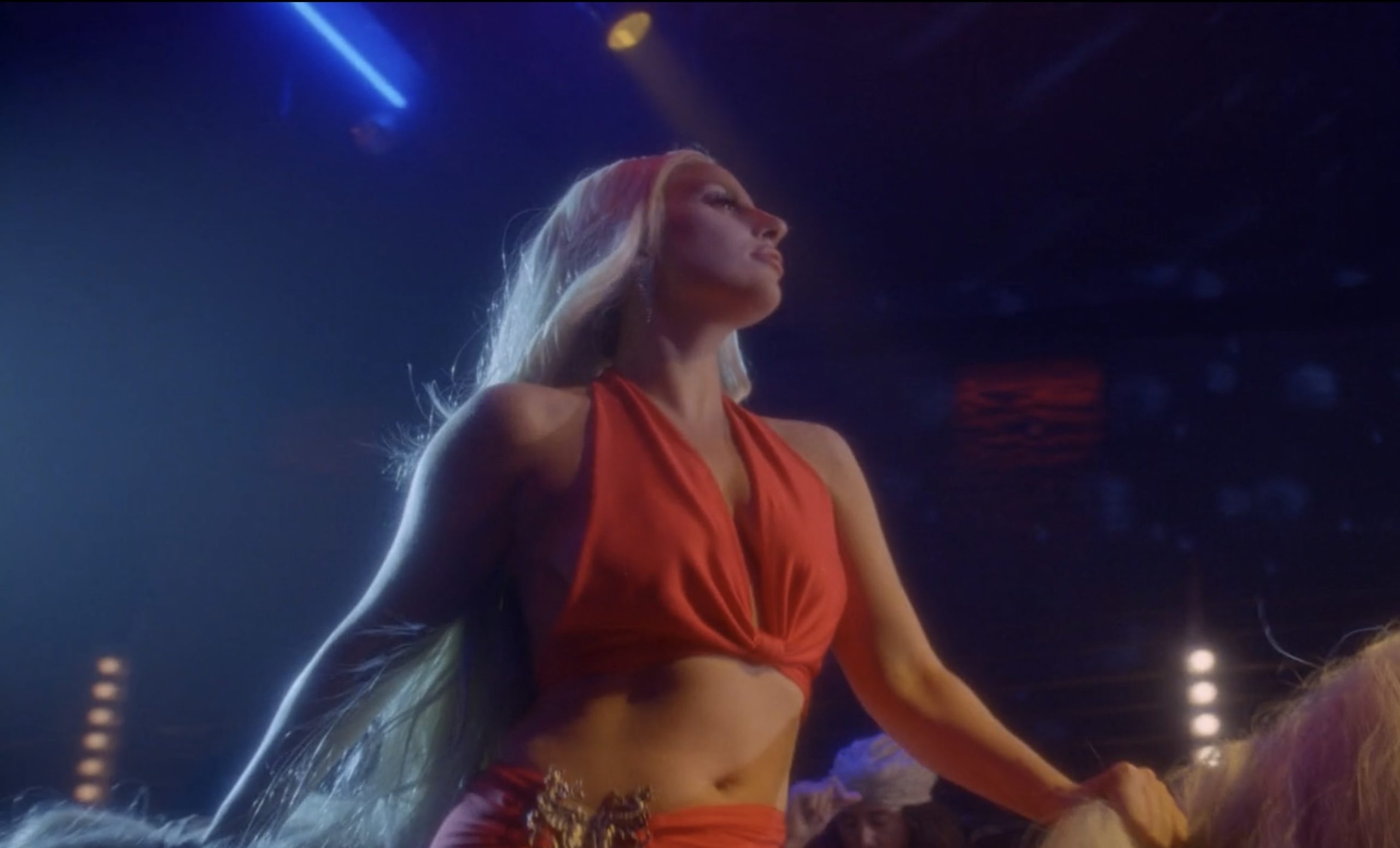
6. Hotel (Season 5)
The most stylish season is also widely regarded as erratic in both tone and storytelling. Introducing vampires into the mix, the Hotel Cortez was modeled after the infamous Cecil Hotel, a downtown Los Angeles landmark known for its long history of unexplained deaths, bizarre incidents, and an undeniably eerie reputation. With Lady Gaga starring as the Countess (a role that earned her a Golden Globe), the season started strong, but the momentum sagged as its sprawling cast splintered into diverging subplots that often led nowhere. Still, it managed to pull things together in the finale, ending on a surprisingly warm note about found family.
As for the scares, the opening sequence — featuring a man crawling out of a mattress — remains one of the show’s most disturbing images, the kind that lingers for a long, long time.
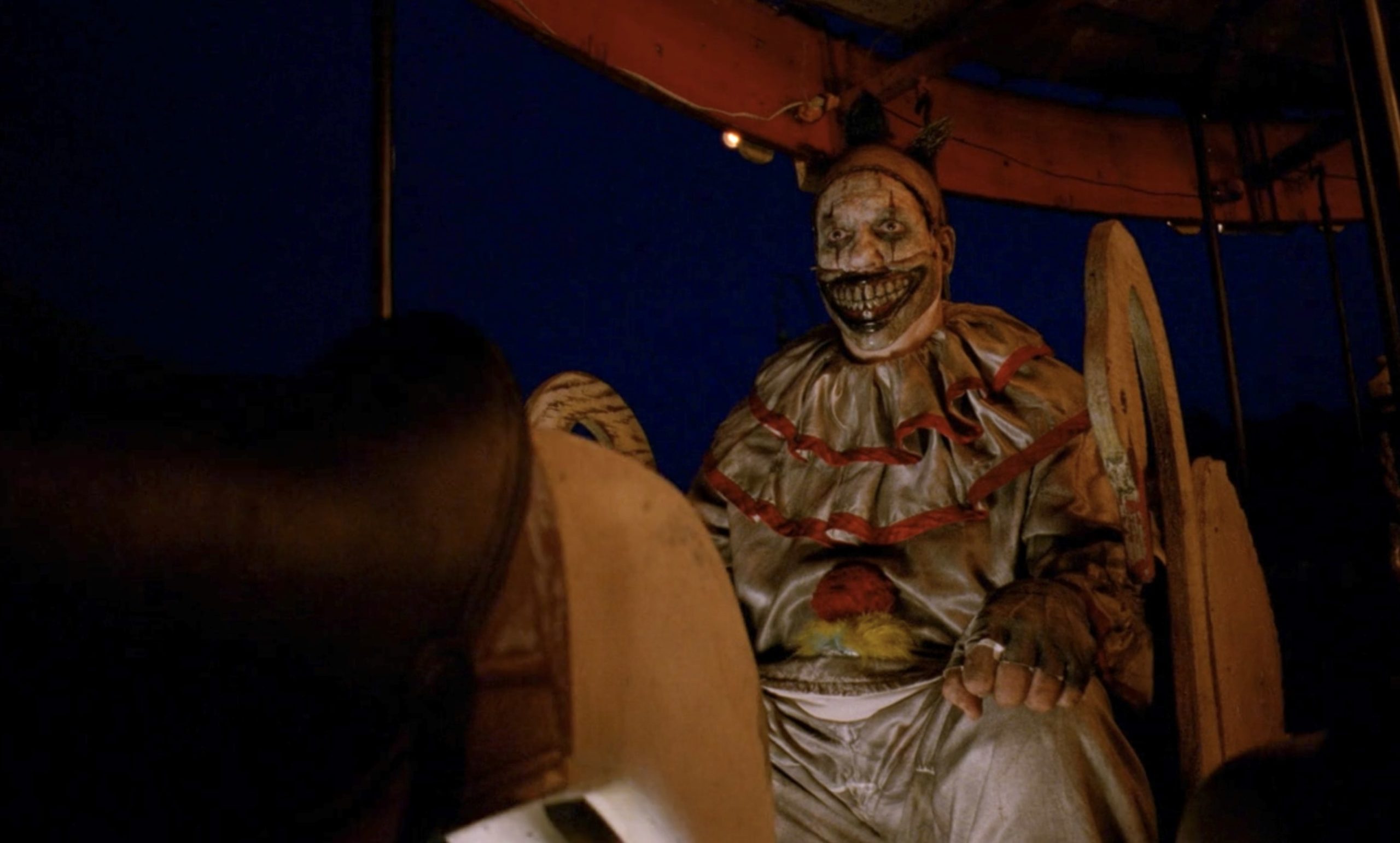
5. Freak Show (Season 4)
The peak of the series in terms of ratings, Freak Show took a turn towards body horror, gore, and so much more. More surprisingly, it also had a handful of emotional moments as it followed a traveling “freak show” in the 1950s. This season had great style like Hotel, and a rogue’s gallery of colorful characters, oddballs, and villains to keep audiences entertained and terrified. A special mention goes out to Twisty the Clown (John Carroll Lynch) who was insanely nightmarish for how little screen time he had in the season. Though the scene with Elsa Mars (Jessica Lange) losing her legs is difficult to watch, and is a series standout as far as viscerally upsetting moments.
4. 1984 (Season 9)
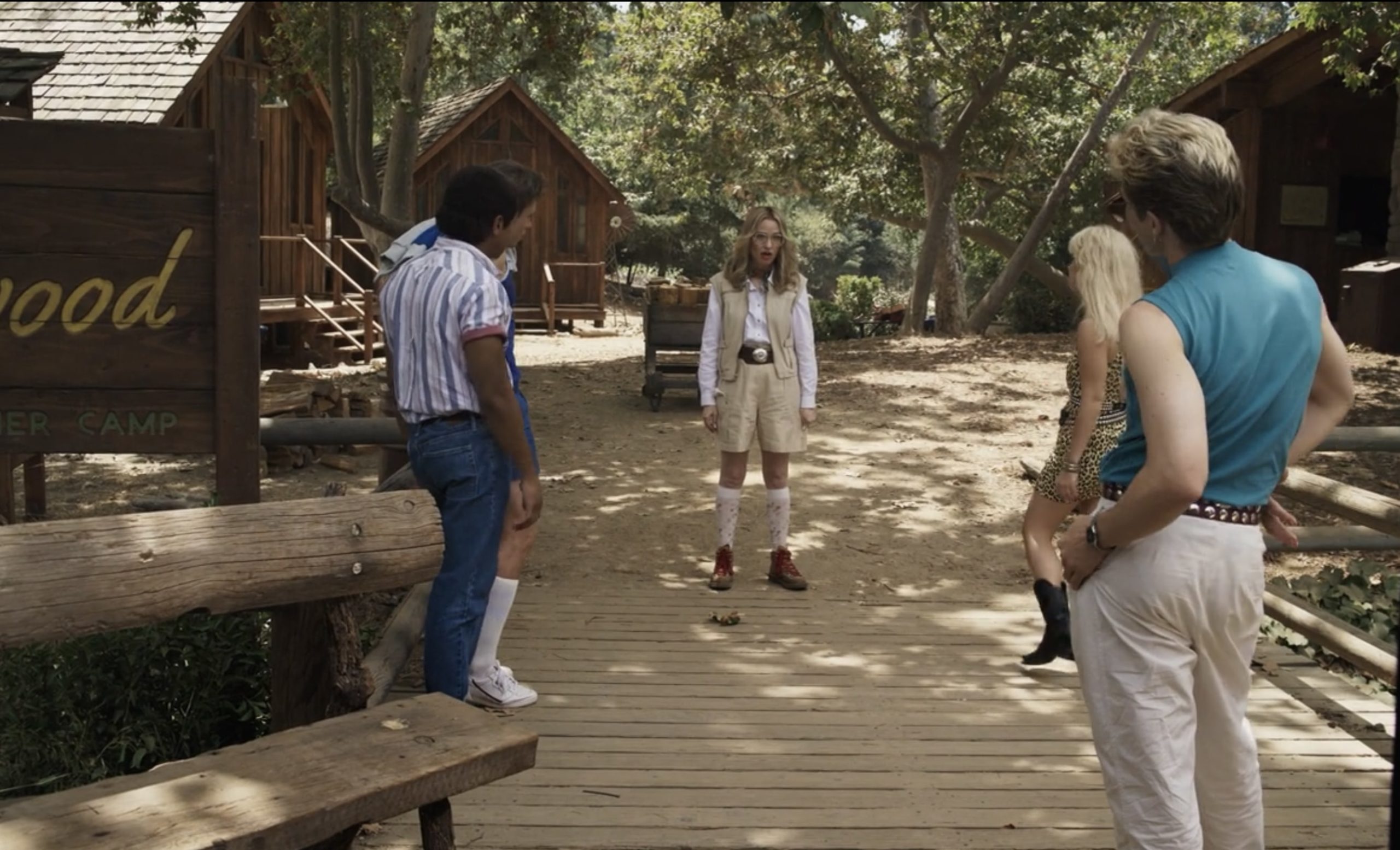
The ninth season, 1984, went back to basics, focusing on the classic slasher trope of a serial killer at a summer camp à la Friday the 13th. Emma Roberts played Brooke Thompson, a girl who escaped a serial killer, only to have to face additional trauma as the sadistic slayer Mr. Jingles (John Carroll Lynch) emerges at the summer camp where she was a counselor. This season was AHS at its best, blending the style and camp of the ‘80s with some actually chilling moments. Top terrifying scenes include in Episode 4, when Xavier (Cody Fern) is locked in an oven and the 1970 massacre at Camp Redwood.
AHS: 1984 was a great outing and a love letter to the slasher genre itself.
3. Coven (Season 3)
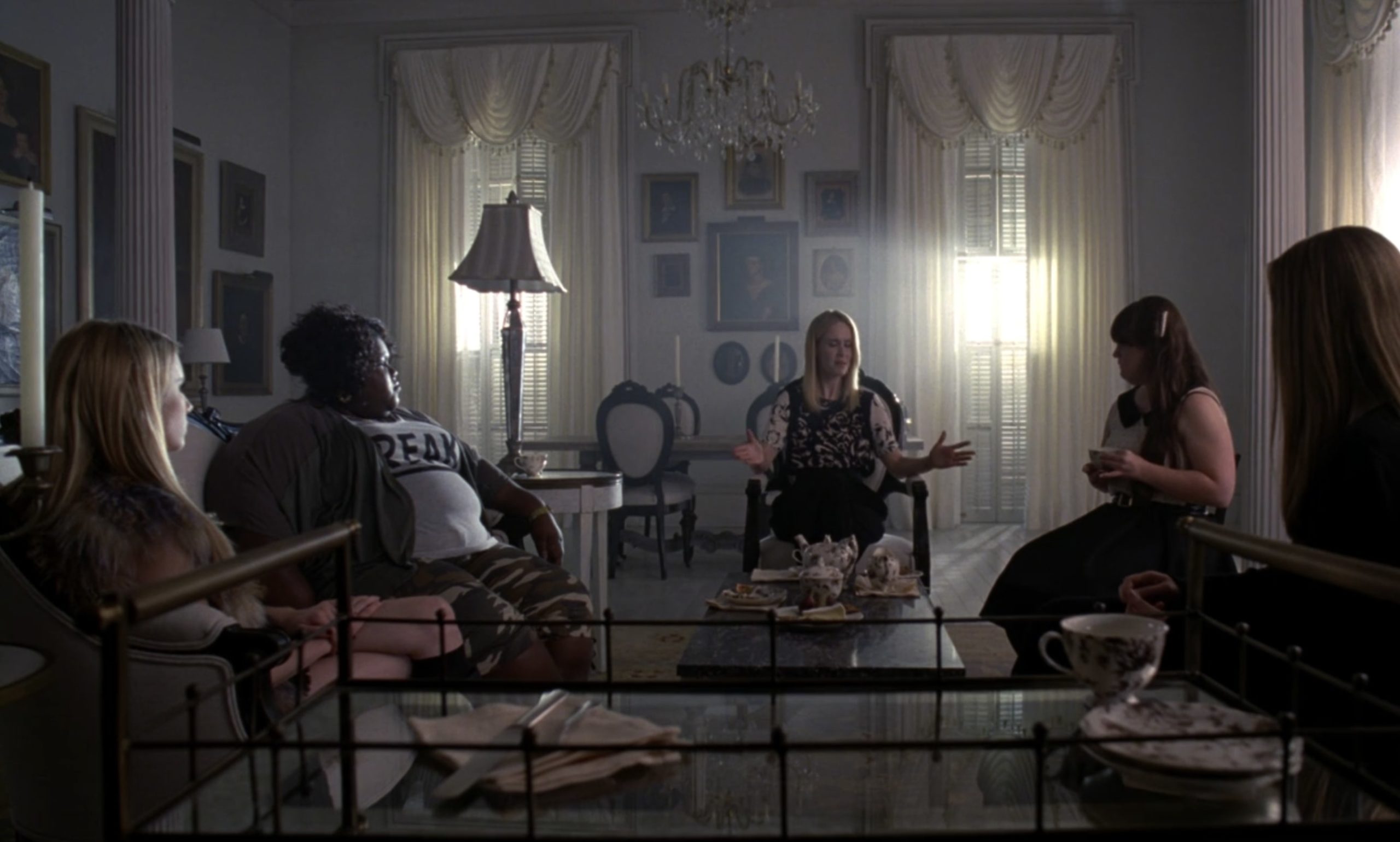
The premise of a school for witches populated by unhinged teenage girls and ruled by a narcissistic Supreme (an outstanding Jessica Lange) made for one of the most standout — and surprisingly terrifying — seasons in the entire series.
But the real VIP of the horror department was Kathy Bates, whose turn as Madame Delphine LaLaurie delivered some of the most chilling material AHS has ever tackled. Her house of horror hosted some of the worst visuals the series has ever produced as the racist, sadistic socialite took great pleasure in torturing her staff in gruesome and ghastly ways.
2. Murder House (Season 1)
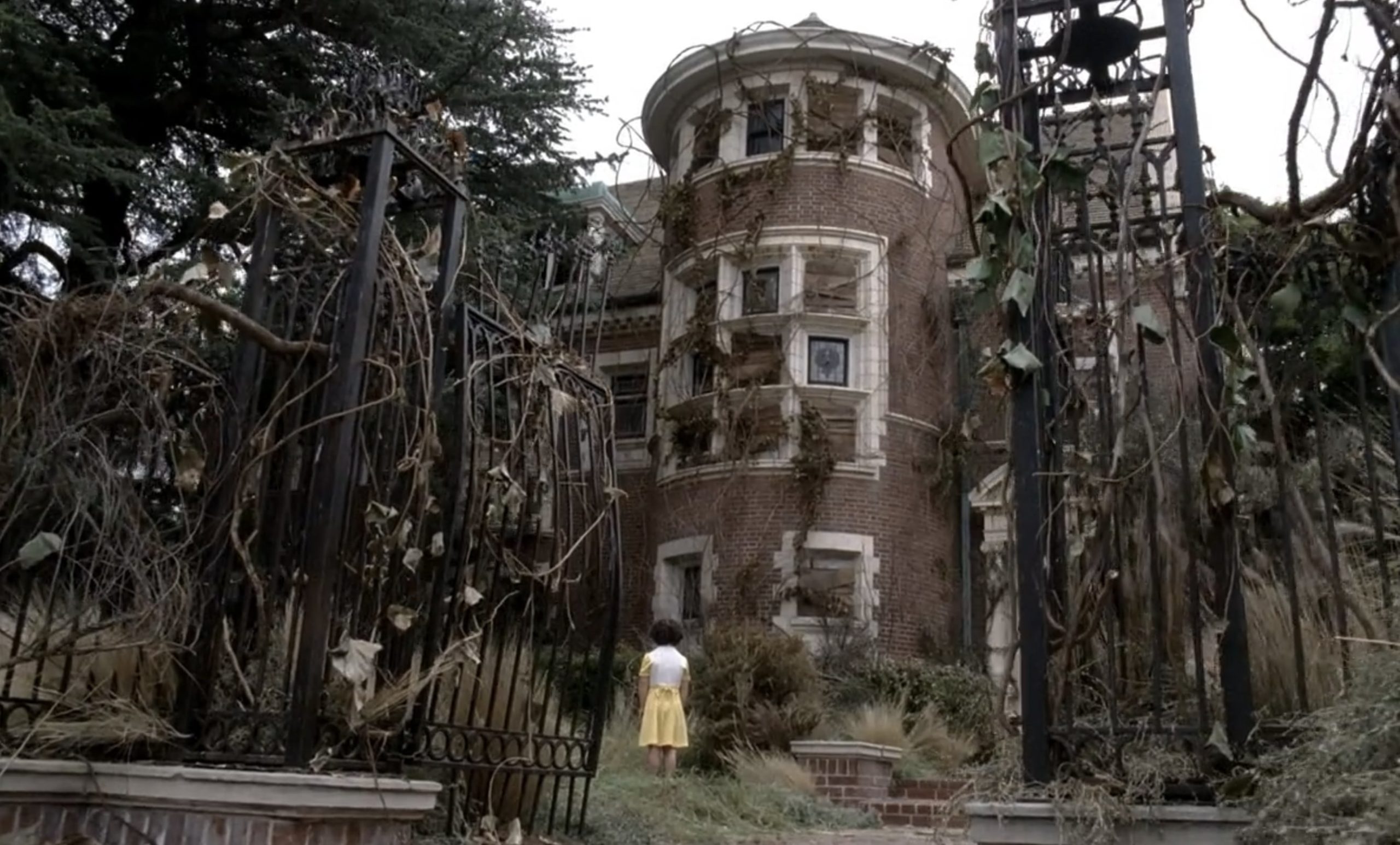
The one that started it all, Murder House is often looked back fondly as the series’ high point in scares — and for good reason. From the disturbing Rubber Man to ghosts to the literal Antichrist, Murder House was much more than a typical haunted house story. It was a breath of fresh air with a new style and approach to horror that TV had been lacking. Plus, it was just plain entertaining. While it definitely hadn’t solidified its voice or identity as a series yet, Murder House remains one of the high points of American Horror Story.
1. Asylum (Season 2)
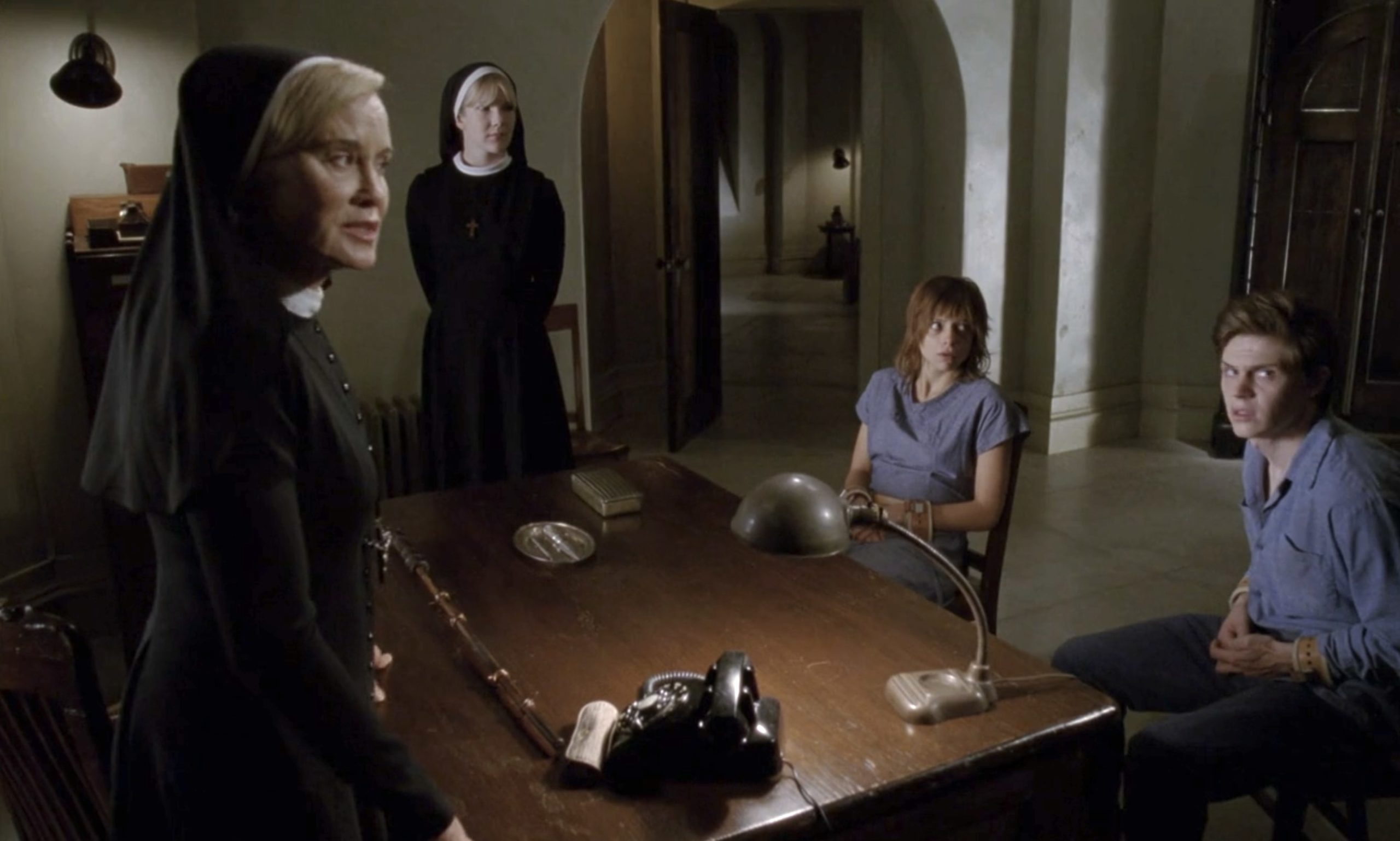
The absolute best season in terms of scares — and, for many, in terms of everything else, too. Asylum followed a couple in the present day trying to renovate an abandoned mental hospital, while flashing back to the 1960s when it was still operational. Horrors piled up fast: human experimentation, possession, corrupt clergy, alien abductions, and a serial killer dressed as Santa Claus. Asylum also cemented the anthology format, proving that familiar actors could return as completely different characters, and it features what may be Jessica Lange’s finest performance as Sister Jude.
But the single scariest moment belongs to Sarah Paulson as Lana Winters, when she takes refuge in Dr. Oliver Thredson’s (Zachary Quinto) office — only to slowly realize she’s sitting across from Bloody Face himself. The dawning horror on Lana’s face, paired with the slow camera pan over the room’s “normal” objects that turn out to be made from human remains, is still one of the most chilling sequences in the franchise.
It’s just plain terrifying, using its setting to full, claustrophobic effect. Years later, Asylum remains an undisputed high point of the series.
Conversation2 Comments
Please read the TV Insider Community Guidelines.
Register or sign in to join the conversation.
-
J
Obviously, you’ve never taken acid ….
-
S
I just finished watching season 7 and my favourite season was coven and i really loved freak show the series that gave me nightmares was murder house. I wasn't a fan of cult probably my least favourite season so far but looking forward to season 8 as i know its about coven again.
 Watchlist Easy access to only the shows you care about — all in one simple place
 Alerts Only important notifications — when a show is returning, when it becomes available to stream, and more.
 Special Offers Exclusive products we release related to your favorite shows and streaming services