
Nat Geo’s New Doc ‘Into the Okavango’ Ventures Into the African Wetlands




Preview
“You don’t want to startle the hippos,” advises National Geographic fellow Dr. Steve Boyes as he gives a lesson on how to steer a mokoro, a traditional canoe, down a shallow tributary in Botswana.
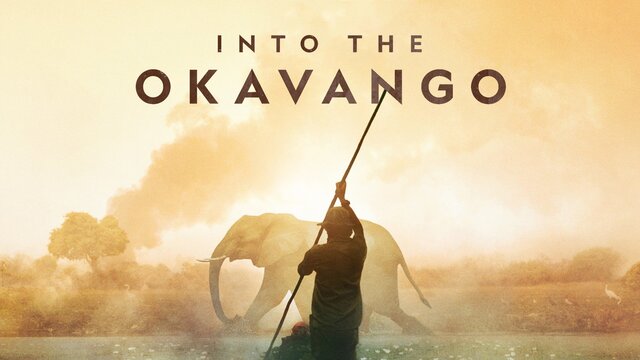
These dugouts are the main transportation mode of Into the Okavango, a gorgeous and gripping documentary about his scientific expedition through Africa’s wildlife-rich Okavango Delta.
TV Guide Magazine took to the river with Boyes for an up-close look at the southern section of this unique landscape. Home to elephants, cheetahs, wild dogs, crocodiles and hundreds of bird species, it’s also the bedrock of a natural system providing water to 1 million people.
“Our journey started out as an exploration, but we realized we had to protect this area,” says Boyes, whose team made 32,000 wildlife sightings on their four-month, 1,500-mile trek through Angola, Namibia and Botswana. Along the way, cameras capture the joyous discovery in Angola of elephants — thought to have disappeared after the country’s brutal civil war — as well as a near-fatal animal encounter for Boyes.
The scientist hopes the three nations will declare the 125,000-square-mile area a park called Lisima, meaning “source.” “It’s an important place to protect,” he says. “It’s a lifeline.”
Into the Okavango, Documentary Premiere, Thursday, Dec. 13, 9/8c, Nat Geo Wild

Where to Stream


Conversation2 Comments
Please read the TV Insider Community Guidelines.
Comments are closed on this story.
-
R
I watched this documentary. It's a very interesting story about a recent expedition that followed a river from it's headwaters all the way to the delta. They covered about 2000 miles in canoes and it took four months. It was a scientific expedition and they gained a lot of new information, including discovering 28 new species along the way. Lots of good information, until...
The first hint of trouble was when the leader of the expedition pointed out a small sapling that had survived in an area that had been heavily fed on by a Bull Elephant. He says that it was intentionally left as a conservation effort by the Bull so the area would grow back up. Sorry Pal, it doesn't work that way... and you know it. You just lied.
Then the big one. They find an abandoned elephant poachers camp with a large amount of elephant remains. He says two sentences in conjunction that is not quite a lie, but is clearly meant to mislead the viewer.
"This is illegal elephant hunting."
a three of four second pause
"People from all over the world come to Africa so they can shoot an elephant. Mostly from America."
He obviously wants the viewer to believe this was done by American hunters. I now know that nothing presented in this documentary is trustworthy and the expedition leader is a liar.
Very disappointed.
-
G
Just watched the documentary on a plane and those two phases stood for me as well
-
 Watchlist Easy access to only the shows you care about — all in one simple place
 Alerts Only important notifications — when a show is returning, when it becomes available to stream, and more.
 Special Offers Exclusive products we release related to your favorite shows and streaming services