
9 Biggest Changes Between Netflix’s ‘Lord of the Flies’ and the Book



Spoiler Alert
Lord of the Flies is back on screens again — this time, in a new four-part miniseries that’s just arrived on Netflix.
The show adapts William Golding’s seminal 1954 novel and is mostly faithful to the source material throughout all four episodes. There are some key differences in the adaptation, though, so read on to find out how the series changes the story. Warning: There are spoilers ahead for all four episodes of Lord of the Flies.
The introduction is slightly different.
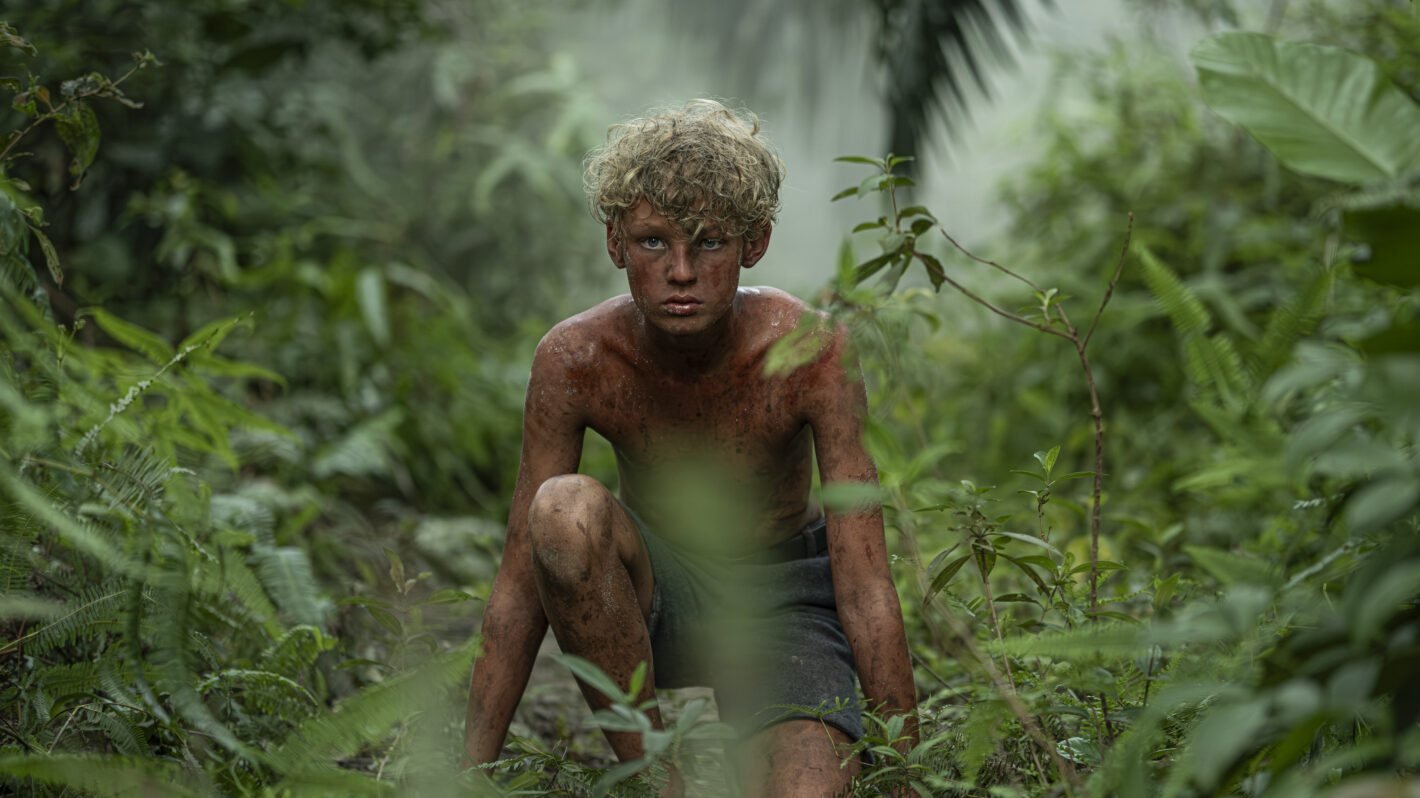
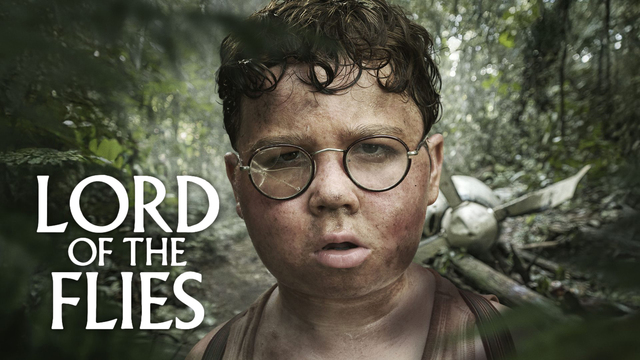
Whereas the book opens with the “boy with the fair hair,” who we later learn is Ralph, the series puts the initial focus on Piggy (David McKenna), who’s shown wandering through the jungle and observing the wreckage from the downed plane before he ever meets Ralph (Winston Sawyers).
The body discovery takes place much sooner in this iteration.
Right away, Ralph and Piggy find the dead body of the pilot and decide to throw it over the edge of a cliff to dispose of it. While the pilot’s body is eventually found in the book as well, it isn’t until much later. Instead, the boys mistakenly think the figure lurking in the jungle was “the beast.” Simon (played by Ike Talbut in the series) later discovers the body — and, thus, the truth about the beast — in the novel version, but he is killed before he can reveal it to the others.
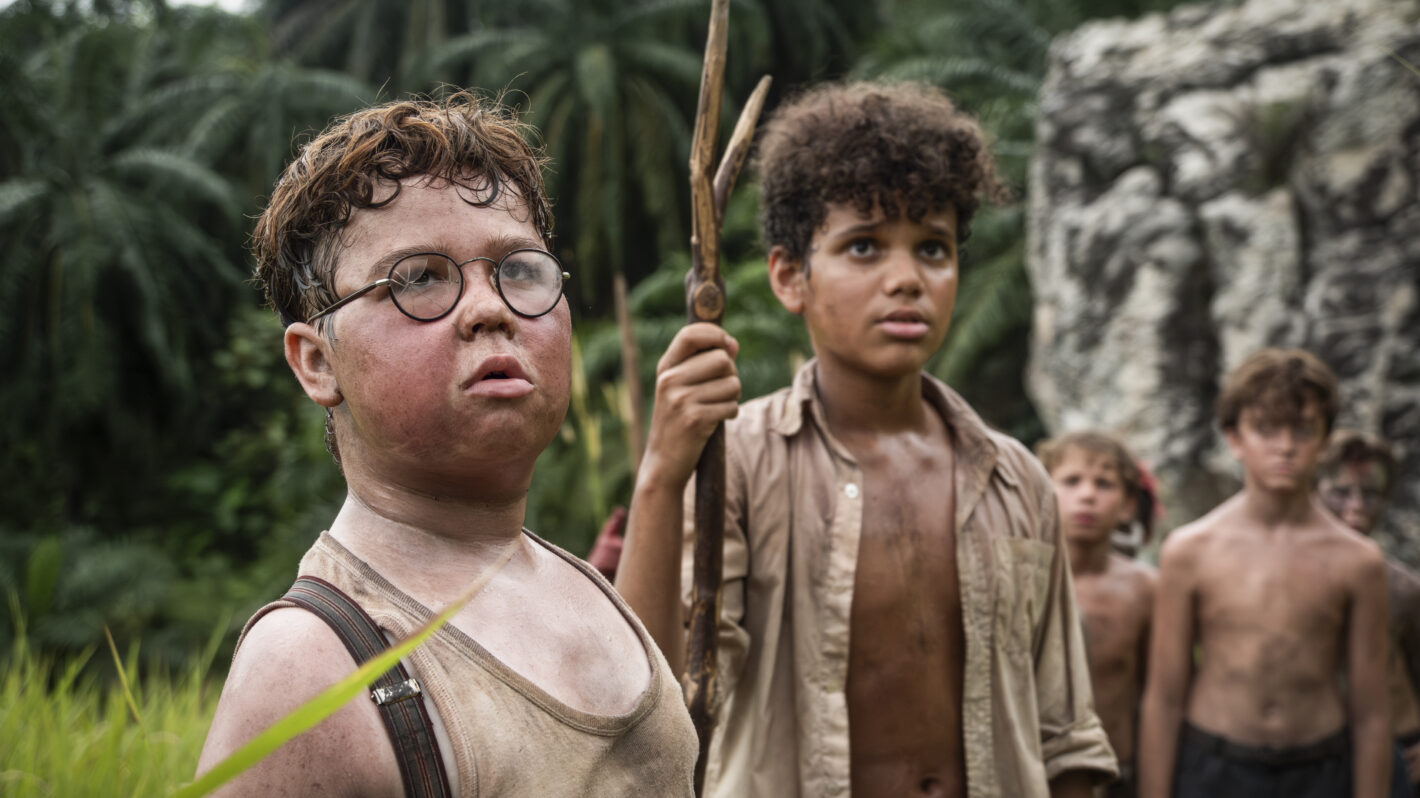
Piggy’s name is revealed.
The book never reveals the true name of Piggy to be Nicholas, and Ralph certainly never calls him “Nicky” in the novel. However, in the series, after the two become closest allies, Ralph tries to make up for his mistake of revealing the unfortunate nickname, despite the boy’s direct request for him not to call him that, and starts calling him Nicky.
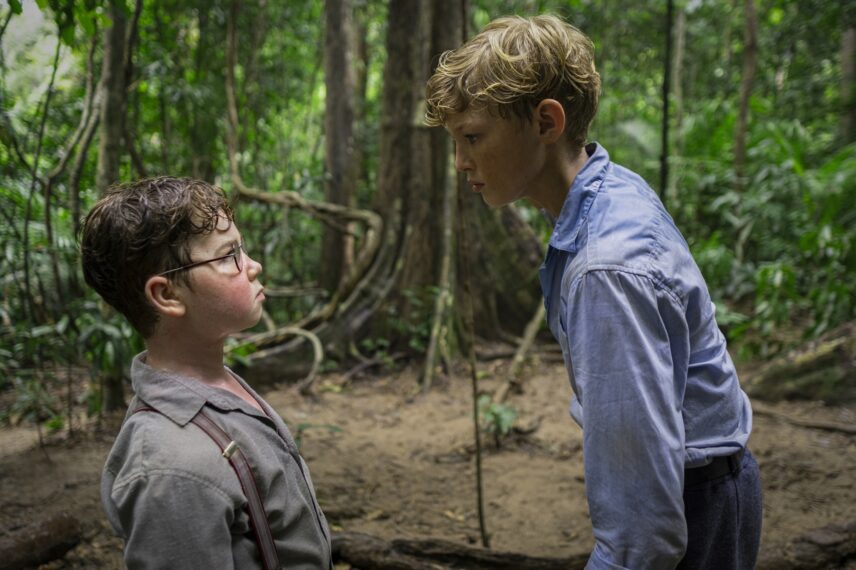
The first hunt results in a blame game.
As in the book, Jack (Lox Pratt) hesitates long enough for a piglet to get away from him during his first hunt. However, in the written version, Jack simply insists that it won’t get away next time; in the show, however, he blames Piggy for letting the prey get away, thus beginning the bitter animosity.
J Redza / Eleven / Sony Pictures Television
The boys’ backstories are explored much more deeply.
Perhaps the biggest distinction between the book and this adaptation is the fact that the show gives much more insight into who the boys are and the situations they came from. In flashbacks, we learn that Ralph was coping with the loss of his mother and couldn’t bear to face his grieving father, instead talking to an empathetic fellow officer outside. Meanwhile, Jack grappled with feelings of inadequacy and trying to please his father, and he and Simon’s history together in the choir was more complex, with Simon’s mother apparently enduring physical abuse.
Jack doesn’t pay tribute to the beast.
In the book, after the first hunt, Jack leaves the head of the slain sow as an offering for the beast. Here, he does leave the head on a spick, but it’s more of a declaration to the other boys of his prowess than a sign of respect for the mysterious threat.
Jack’s mountain climbing challenge is quite different.
Another element that’s added to the show that isn’t in the book is the moment when Jack tries to scale a giant rockside at the beach to examine parts of the wreckage that might be helpful. However, he becomes fearful along the way and has to be guided down by another boy, step by step. Jack does have a similar experience in the book, though; instead, he continues on climbing a mountain to search for the beast and, after being frightened, returns to lie about seeing the creature.
Lisa Tomasetti / Eleven / Sony Pictures Television
Piggy’s death is much more drawn out.
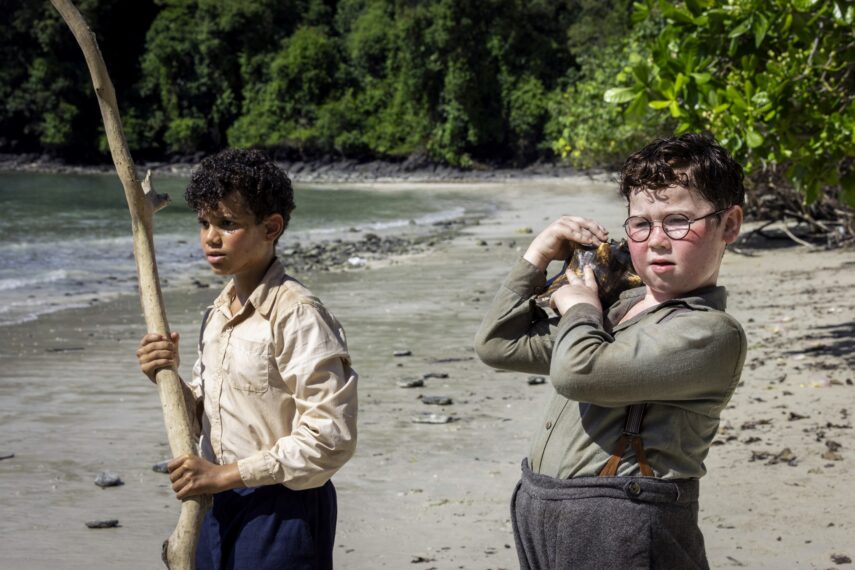
In the book, Piggy dies after being pushed from a ledge and falling on a rock. His body is then carried out to sea as the shocked boys above look on. In this iteration, though, after he is hit with a rock and the conch is shattered on the beach, he is still alive. Ralph carries him into the jungle and tries to nurse his wounds, but his head laceration is simply too severe. He later dies of his injuries, and Ralph buries him in the woods. This version of the story gives Ralph and Piggy more time together before the devastating loss.
The final moments are surprisingly tear-free.
In both the book and the series, the final moments of the story find Ralph alone and on the run from Jack’s hunting squad before he happens upon a naval officer who’s seen the smoke from their fire. It’s then that he asks who’s the boss; in the book, Ralph doesn’t hesitate to claim his chiefdom, but in the series, he first looks to Jack, who appears to be in shock, before saying he’s in charge. That bit of silent surrender is the first indication of what Jack’s state of mind will be after having given himself over to the beast. Also, while the boys are all reduced to tears in the novel version, here, they don’t cry as they’re being rescued.
Lord of the Flies, Netflix




Conversation6 Comments
Please read the TV Insider Community Guidelines.
Register or sign in to join the conversation.
-
M
Piggy isn't pushed off a ledge in the book. Roger pushes on a lever of sorts, and a giant boulder comes down and hits him, sending him down to the rocks below. It's disappointing the series doesn't have him die when his brains spill out on the rocks. It's a pretty symbolic element in the book since Piggy represents logic.
5
-
D
I have mixed emotions about the series. I just recently reread the book and prefer it and the older movie versions. Yes, I am more of a purist. I love the lushness and cinematography of the Netflix series, but the changes almost water it down. Never revealing Piggy's name in the book forces us to call him that too, almost becoming one of the kids on the island. Where is Simon's hideout in the series? Why add all the suitcases and the journal? I almost felt like Simon was in love with Jack. Was that the intention of the series? It strays from watching them go from proper schoolboys to wild savages. Other than Simon, Ralph and Piggy, who have redemptive qualities, the point is about the loss of innocence. Some of the additions to the story just take away from the flow of that descent.
4
-
R
Did you all notice how much Jack looks like young Donald Trump? Go ahead and google 10 year old Donald Trump compare pictures with Lox Pratt. Uncanny casting.
3
-
S
I preferred the drawn out death in the series, it symbolised the logic slowly dying and Ralph's humanity, showing bravery and empathy as a true chief should. It was also more gut-wrenching as we saw Piggy slowly dying and the last pieces of empathy fading with him.
1
-
N
It's not Netflix's Lord of the Flies at all. It was a BBC / Australian co-production that Netflix purchased.
1
-
T
Thats a dumb statement.
They bought it, its theirs.
Is your car yours? Your house? Your phone?
Stupid.
2
-
 Watchlist Easy access to only the shows you care about — all in one simple place
 Alerts Only important notifications — when a show is returning, when it becomes available to stream, and more.
 Special Offers Exclusive products we release related to your favorite shows and streaming services