
‘DTF St. Louis’ Breaks Down Finale: The Truth Behind Floyd’s Heartbreaking Death Revealed



Spoiler Alert
What To Know
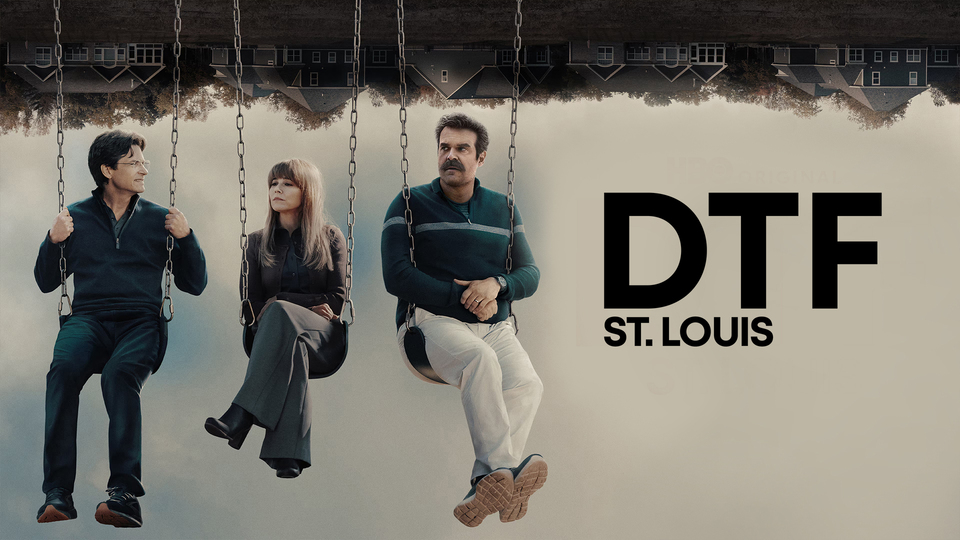
- DTF St. Louis showrunner Steve Conrad breaks down the truth behind Floyd’s death and the emotional outcome for Carol and Clark.
- Plus, he reveals whether Floyd’s ending was inevitable.
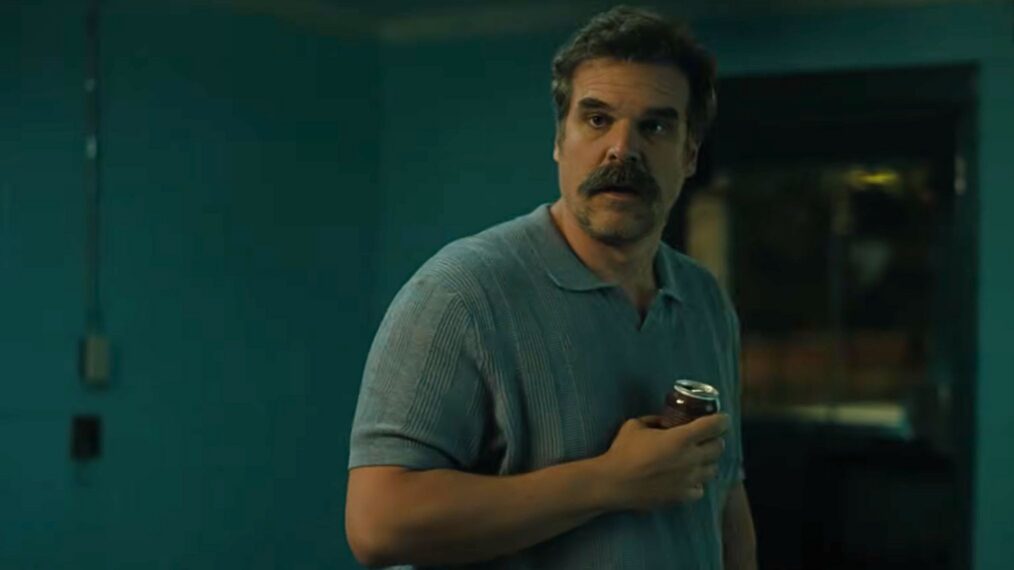
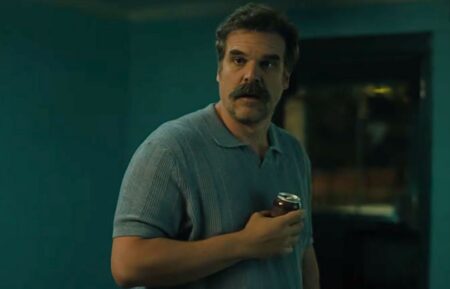
DTF St. Louis has finally answered the question of what really happened to Floyd (David Harbour) as the HBO limited drama’s finale revealed the truth surrounding his mysterious death. Warning: Spoilers for the DTF St. Louis finale ahead!
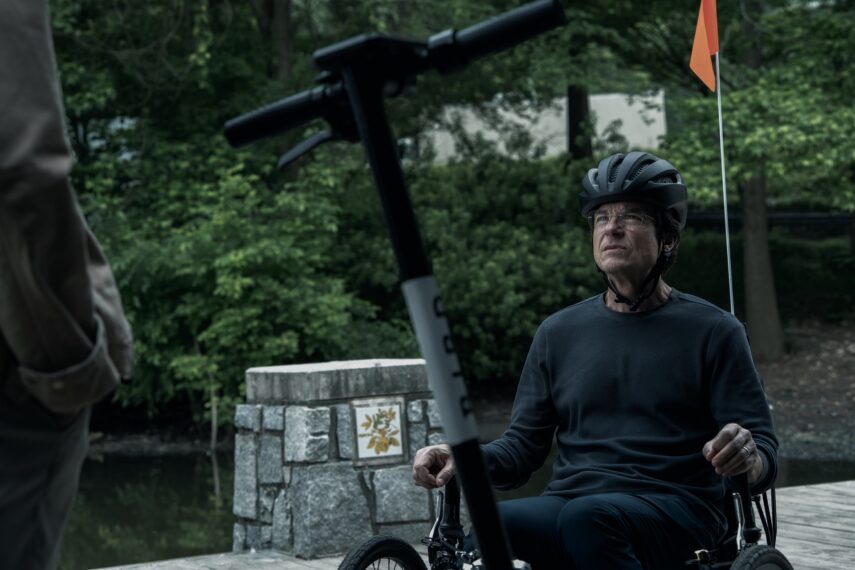
The missing link in uncovering what happened surrounded Floyd’s stepson, Richard (Arlan Ruf), who witnessed the man’s final moments from the poolhouse where he would later be found dead. It was a heartbreaking case of suicide, after a series of rejections, not only from Carol, but also from Tiger Tiger (played by Chris Perfetti), and even Clark (Jason Bateman) attempted to share a special moment with Clark, thinking that if they could be intimate, it might bring some of the spark back to his life.
But the kind of moment Clark was hoping to provide his friend with just wasn’t there, and while they hugged and danced and shared joy in the poolhouse, it was Richard seeing them through the window that pushed Floyd over his tipping point. Having put the medication that would drive him toward his death in the Bloody Mary can, he held up the hand signal for “I love you” before chugging the rest of the can, killing himself.
HBO
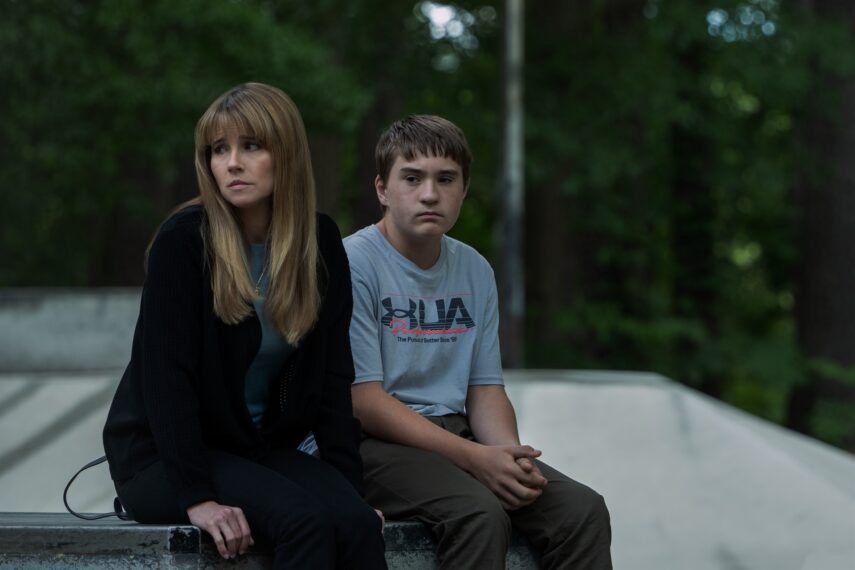
It turned out that Richard had actually been the reason for Floyd’s Peyronie’s disease. Angered after Floyd had fought with Carol, Richard had apparently struck Floyd with a tennis racket as a misguided way to protect his mother. Despite Richard’s role, Floyd never blamed his stepson for the problem that plagued his marriage, but according to showrunner Steve Conrad, the reality of Richard seeing Floyd in his final moments was too tough to reconcile.
Below, Conrad breaks down some of the biggest questions from the finale, including whether or not Floyd’s ending was inevitable, and much more.
What was the final straw for Floyd? Was it the series of romantic rejections or feeling like his family was better off without him?
Steve Conrad: Well, if you think about the many times that Floyd had been kind of assessed and then rejected, there were multiple, but the one connection that was sound was Richard, that despite the failure of the therapy working and the multiple attempts to try to reach Richard, Floyd had found a way that summer. If you had asked him if anything good had happened that summer, he would have said something great had happened, like Richard and found each other flailing, trying to find some way to turn the volume down on all the other sources of pain for Floyd. It ended up consequently having him create events that Richard was exposed to accidentally, and this full measure of Floyd that a child shouldn’t have because he’s too young, it happened, and it probably wouldn’t have happened if there wasn’t that kind of recklessness that summer, so Floyd felt responsible for Richard being there. He felt like that if he were a better man, this boy wouldn’t be out there trying to figure out what it is he’s watching, even though what he’s watching is harmless and very human and ultimately understandable.
It’s not a coincidence that it takes place in the same episode where Floyd finally tells the story about what happened that caused his Peyronie’s. He had hurt Richard’s mom, and Richard watched his mom cry and attacked Floyd out of some childlike desire to protect his mom. Floyd tells that story as though he deserved it, like he forgives Richard instantly for it, and understands instantly how he might have traumatized Richard. Then he’s confronted with this idea that Richard has seen more than any kid should see and chooses in that moment to say, I can’t fix what I just broke, I can now only just turn the lights out on this act of my life.
HBO
When Richard recounts seeing Floyd, we learn that his last message was the sign language gesture for “I love you.” What does it mean for him to deliver the sentiment that way, especially after we discover that sign language was Floyd’s passion?
It meant a lot to me to have conceived something that the actor could then put himself into to be able to look through the glass at David being Floyd in this moment, where you can connect with another person without your voice, which is what sign language does, and there are times when you parent that you can’t reach your children through your voice, you can try to pass along wisdom or some advice for keeping them safe, and it all just goes unheard. There is a more basic way to say something more basic, and that’s what signing was for him in this instant he could reach his stepson without being heard. It’s why Carol jumps on that fact in her last scene with the detectives, and if you think about it, Carol, by helping the police discover that this was a suicide, she’s foregoing her insurance reward; she isn’t due any money now. She’s going to continue with the struggle of her life the next day. She will have lost Floyd and gained nothing, and she would rather that Richard knows that Floyd was saying “I love you” before he’d killed himself than for the police to think that Floyd was killed.
It’s so important that that message lands for Richard, that Carol sacrifices this. She legitimately wanted Floyd to have life insurance because she thought he would be a more peaceful person, a healthier person; she wasn’t plotting, she was only caring, and ultimately, Floyd had more pain in him than anybody knew.
Throughout the investigation, Clark refuses to disclose additional information until charges are cleared. Why does he feel the need to share personal details of Floyd’s final moments with the detectives, and what’s going through his mind as he walks into his empty home?
The idea that Tiger Tiger was found and that Tiger Tiger could then be understood by the police as being an act of kindness, that nobody was hired to show up with a poisoned Bloody Mary, and Clark’s not a suspect anymore, he can say, well, I can now tell you something I was nervous about telling you before. The vulnerability of sharing what those two underwent in the pool house was something that Clark had to arrive at, feeling safe enough to be able to say those things. Homer and Jodie weren’t a safe relationship; they were a threatening relationship to him. But episode by episode, they demonstrated their capacity to not only want to understand what complications existed in the intimate life of these three people, but that they were capable of understanding it. Floyd made Clark feel safe, and then Homer and Jodie ultimately made him feel safe, and then he loses everything, and he’s gonna have to find another way to feel safe after the grieving’s gone.
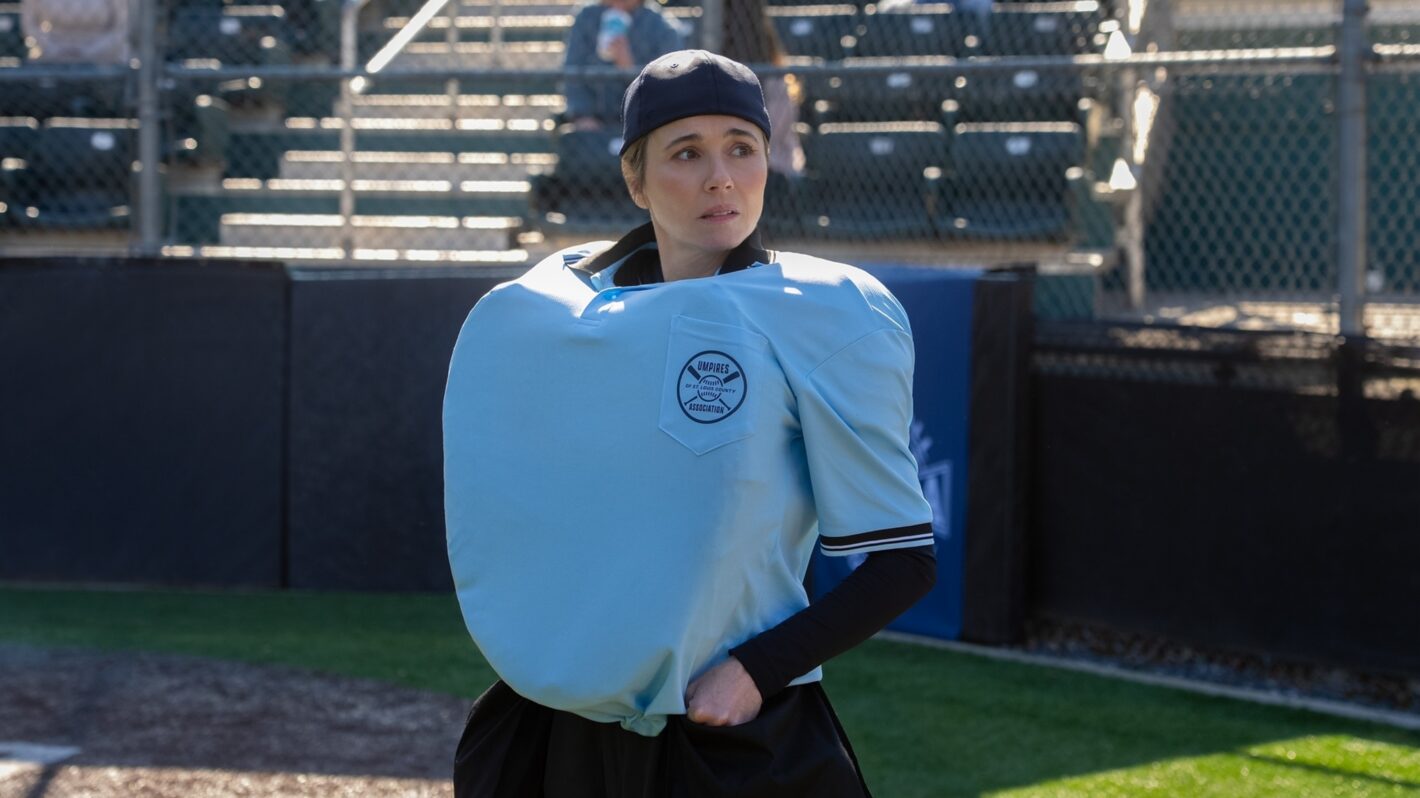
Would Floyd have ended up here anyway, or did exploring DTF St. Louis drive him there faster?
I think that’s a real keen observation because we started, one could have flipped the first scene for Floyd. One might have started with the cyclone and the two friends meeting, and then realized that he’s got a difficult relationship with his stepson. We chose to start with the stepson, this hunger and this drive to cross this really long divide in his life that he’s not gonna make it across. You can see in the last shot of Floyd in that therapy session, with the way David performed it… You’re not far away from that feeling. It’s only three months away, and it can’t show up for the first time there.
I don’t know that there’s much reward in this kind of thinking, but I do it a lot because it takes a minute for the characters to leave you before you move on to another thing. I think I know what Floyd’s fate might have been. I think Carol and Floyd would have divorced. His tax debt was just a burden that he couldn’t even help chip away at. Intimacy was gone; they tried, but it had been a year. That failure of their intimate life that we see in Episode 6, which would have happened in their bedroom. It was over, and I think they would have been divorced. I think Floyd might have had a relationship with Richard where he wrote him a letter every few months, maybe sent him a Christmas present, but every year that became less and less and less, and I think Floyd was bound for a really sad life like many people who have an inherent sweetness, but are also challenged to recognize that they’ve got to plant their feet and fight sometimes too.
Floyd doesn’t have any fight in him. He only has kindness, and some people are constitutionally like that, and they’re wonderful to have with you because they remind you that sweetness is also a quality of life. But if you’re married to one and you’re trying to fend off the worst possible thing together, that can be a very challenging partner.
DTF St. Louis, Streaming now, HBO Max
If you or anyone you know is having suicidal thoughts, please contact the National Suicide Prevention Lifeline at 1-800-273-TALK (8255) or dial 988. If you or a loved one are in immediate danger, call 911












 Watchlist Easy access to only the shows you care about — all in one simple place
 Alerts Only important notifications — when a show is returning, when it becomes available to stream, and more.
 Special Offers Exclusive products we release related to your favorite shows and streaming services