
Is Daytime TV Dying? The Recent Cancellation Spree, Explained



What To Know
- Daytime talk shows have been hit hard with cancellations lately, including, most recently, NBCUniversal’s syndicated shows.
- So why is the medium failing? Here’s a look at the economic and social reasons for the decline of small-screen daytime programming.
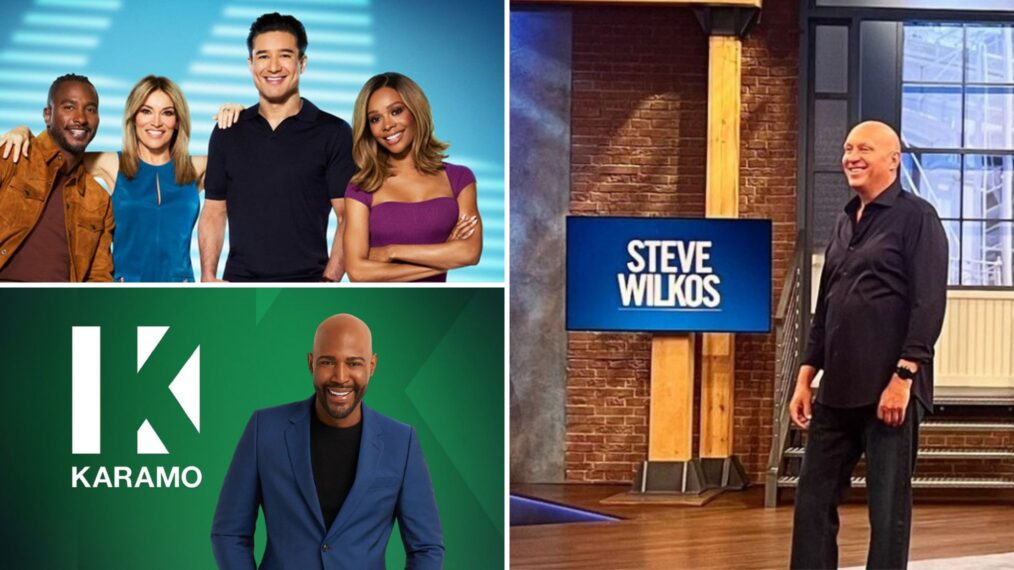
Another long-running daytime TV institution is coming to an end: As pop culture vultures learned last week, Access Hollywood is going off air this summer after 30 years and taking spinoff Access Live offline with it. And those aren’t the only syndicated NBCUniversal productions disappearing from the daytime lineup: Karamo and The Steve Wilkos Show are ending this summer, too, and NBCUniversal previously announced that The Kelly Clarkson Show is coming to a close this year.
“NBCUniversal is making changes to our first-run syndication division to better align with the programming preferences of local stations,” Frances Berwick, chairman of Bravo and Peacock’s unscripted content for NBCUniversal, said in a statement, per The Hollywood Reporter. “The company will remain active in the distribution of our existing program library and other off-network titles, while winding down production of our first-run shows. These shows have provided audiences with great talk and entertainment content for many years, and we’re very proud of the teams behind them.”

Weiss Eubanks/NBCUniversal
We know all about the decline of soap operas, but why are so many syndicated shows going off the air? For starters, NBCUniversal sees the syndicated studio model as unsustainable, as local TV stations have started to give priority to local and national news and community-focused programming, THR explains.
Such content is often more cost-effective, and stations are finding it easy to expand their local news coverage, as Variety reported last month. In Los Angeles, KTTV’s local news content runs from 4 a.m. to noon, and KTLA’s runs all the way from 4 a.m. to 8 p.m., as the magazine noted.
“When you look at the business of daytime television, it is commitment and connection to community that I think is really going to drive your ratings, or, more important, your revenue,” Bob Ellis, then-general manager of WDIV, told TVNewsCheck last year.
George Burns/Harpo Productions/Courtesy: Everett Collection
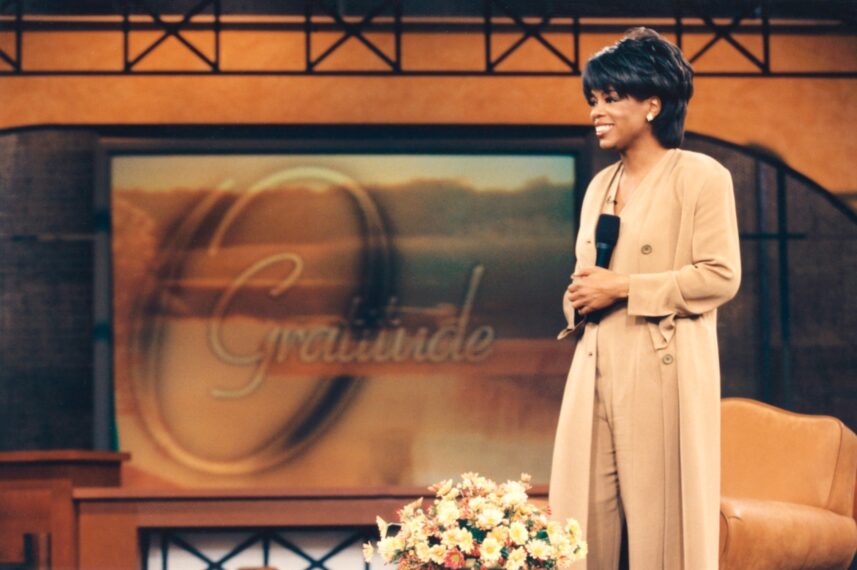
The first-run syndication model — through which producers sell TV shows to stations market by market instead of distributing them through a single network — was once a dominant strategy that made Oprah Winfrey and Ellen DeGeneres’ shows mega-hits, the Los Angeles Times explains.
“These were shows that were making $50 million, $100 million, and, in some cases, $300 million a year in profit,” syndicated TV veteran Ed Wilson told Variety. “Now, there’s a real void.”
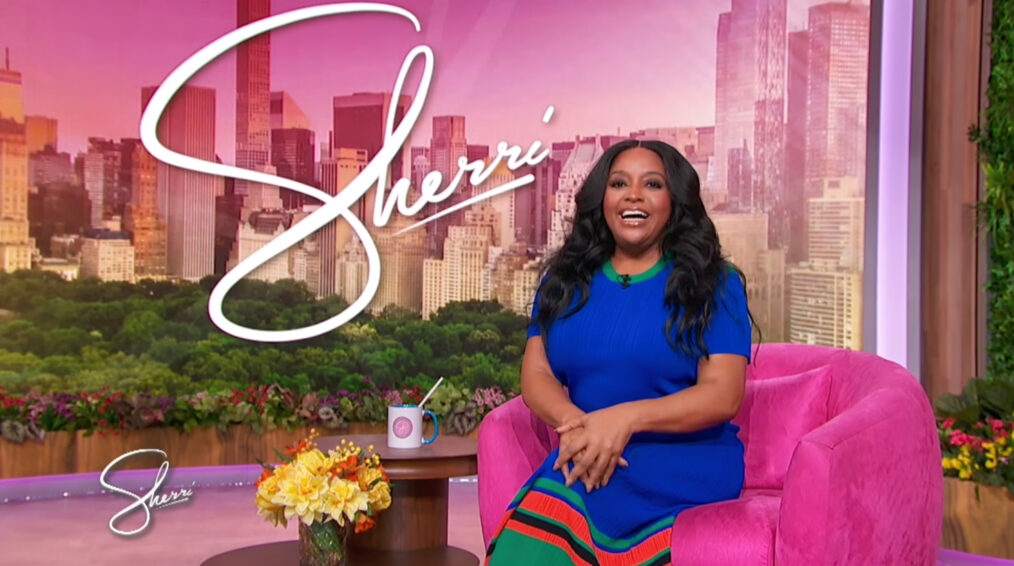
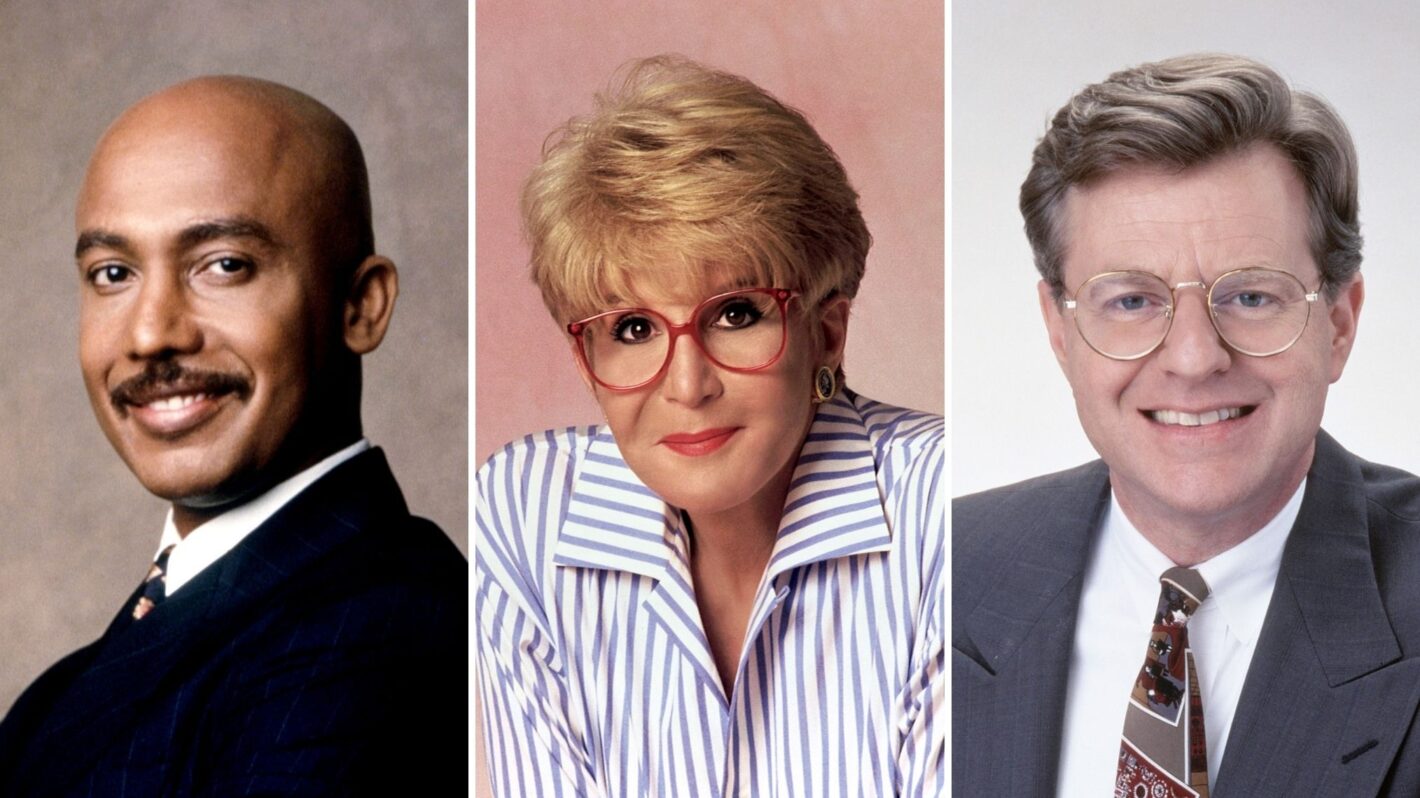
The Ellen DeGeneres Show ended its 19-season run in 2022, the same year that long-running syndicated talk shows The Wendy Williams Show, Maury, and The Real signed off. 2023 saw the ends of the syndicated Dr. Phil and Rachael Ray after 21 seasons and 17 seasons, respectively, and CBS’s The Talk went silent the following year. And Sherri fans found out last month that that syndicated talk show would take a bow this year.
Sherri/YouTube
The major issue seems to be that streaming has siphoned viewers away from daytime TV, and the ad revenue isn’t enough to support first-run programming.
“Station groups can’t afford to pay fees, so you’ve got to reimagine the way we produce and back into a number,” Stephen Brown, executive vice president of programming for Fox Television Stations and Fox First Run, told TVNewsCheck.
Plus, video podcasts have started to attract the kind of A-list talent who once graced daytime talk shows, according to The Hollywood Reporter. Edison Research findings cited by THR show that consumers’ total time spent with podcasts has more than tripled over the last decade, reaching 773 million hours a week. The Hollywood Reporter adds that celebrities often prefer the longer conversations afforded by podcasts to the shorter interviews offered by daytime TV.

Terence Patrick/CBS
With the rise of streaming and video podcasts, daytime TV content has taken a big hit. “I think it’s symptomatic that the economics have changed,” Frank Cicha, head of programming for Fox TV Stations, said to Variety. “The levels of audiences that these shows were garnering just couldn’t justify the cost.”
The budgets for talk shows’ talent, production design, music, and staffers “just don’t add up with what you’re making on these things,” Cicha added. “At a point you get to, ‘Is the conversation that we’re having now going to be any different if we have it next year?’ And when you think about it, it’s probably going to be worse, if you’re paying any attention to what is happening to linear audiences. So at a certain point, you just say, ‘Why continue to do this?’”
Amid such upheaval, producers are getting creative. CBS Media Ventures is producing The Drew Barrymore Show as an hour-long program that can be split to accommodate local news programming, and Telepictures is developing a syndicated half-hour talk show hosted by Jenny McCarthy and produced like a video podcast, according to Variety.
So daytime TV might not be dead so much as in critical care… and holding out for a hero. “[The decline of daytime talk] breaks my heart,” Wilson said. “But I think there’s probably a big opportunity if someone could be the Taylor Sheridan of syndication and develop a couple of hit shows — and then own it.”






 Watchlist Easy access to only the shows you care about — all in one simple place
 Alerts Only important notifications — when a show is returning, when it becomes available to stream, and more.
 Special Offers Exclusive products we release related to your favorite shows and streaming services