
‘Hijack’ Boss Explains Season 2 Finale Ending & Why Sam Is ‘Morally Questionable’



Spoiler Alert
What To Know
- The Hijack Season 2 reveals who’s really behind manipulating Sam to take control of the train as well as sees Marsha fight back against those trying to kill her.
- Showrunner Jim Field Smith breaks down the ending, including what’s next for Sam, and more.
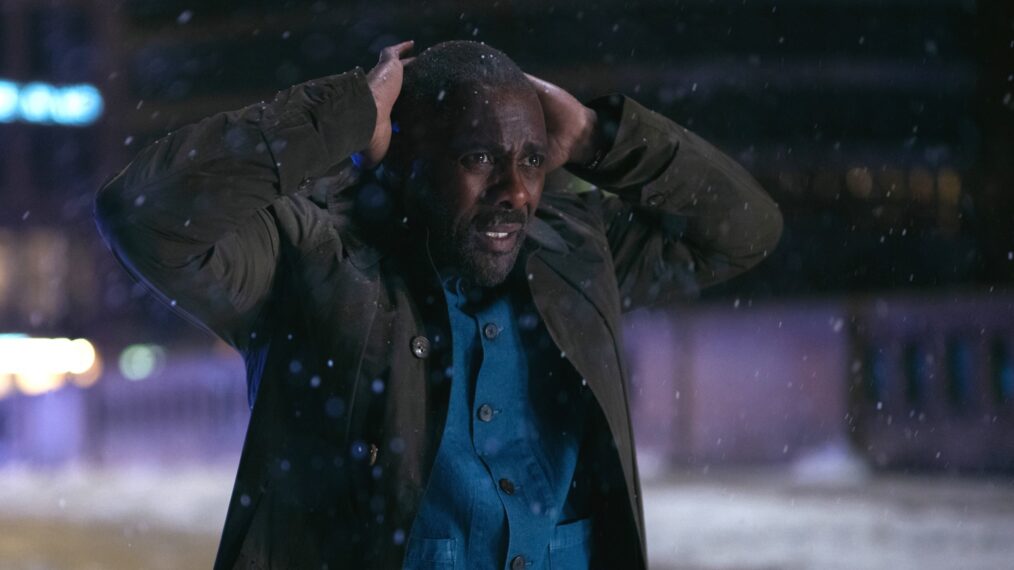
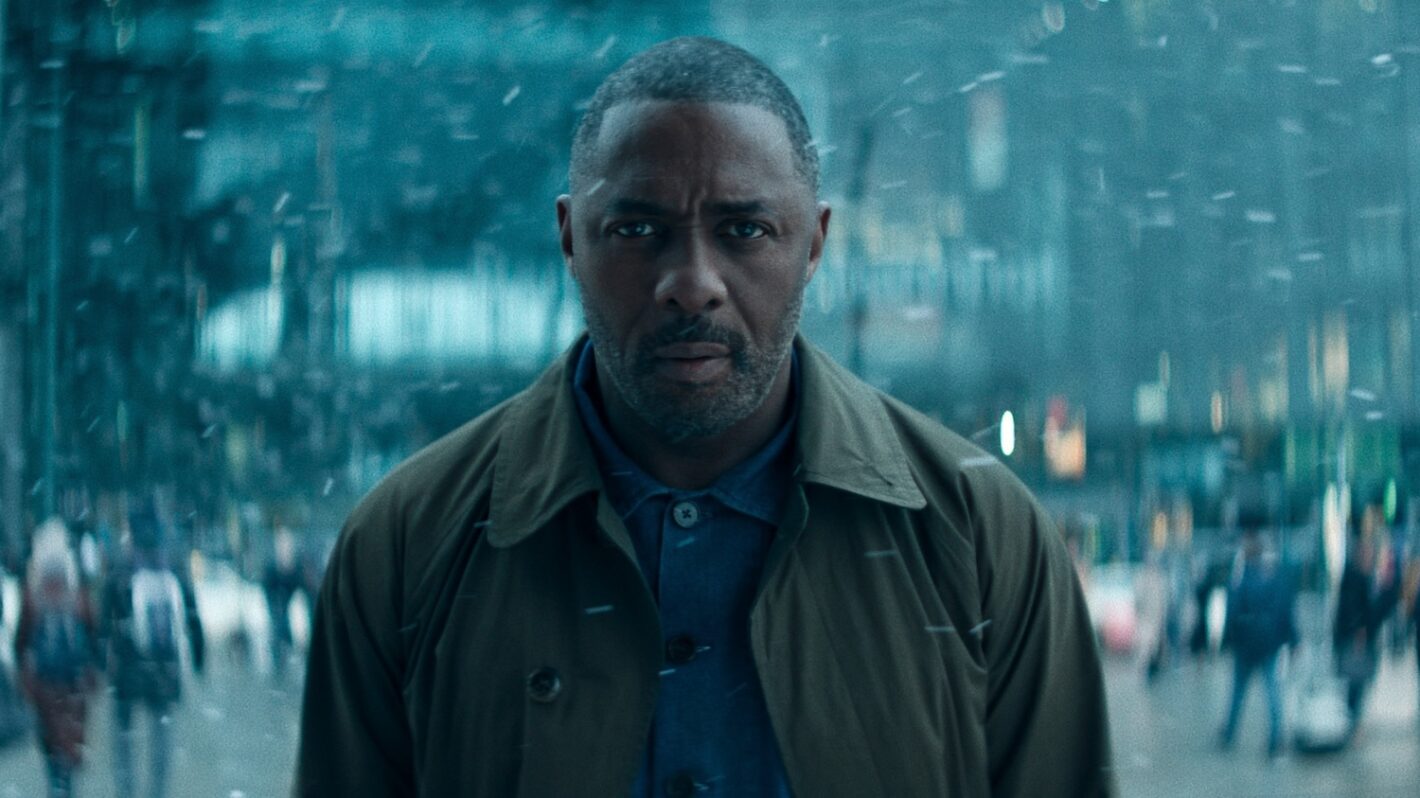
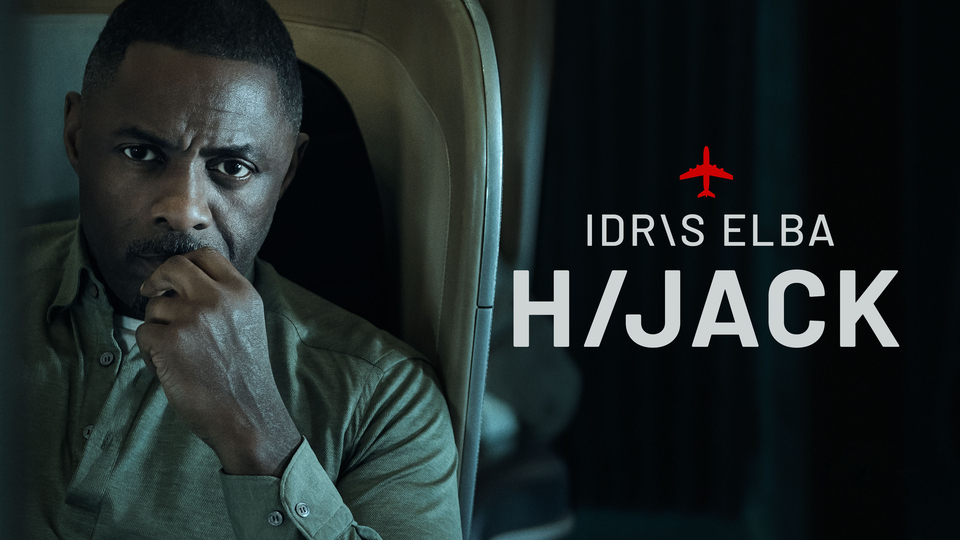
Hijack Season 2 started off with a twist: Business negotiator Sam Nelson (Idris Elba), who was the one to help put an end to the crisis on the plane in Season 1, is the one to take control of a train and its passengers hostage!
Sam, of course, has a good reason for doing so: His ex-wife Marsha’s (Christine Adams) life is being threatened, and he’s also being promised answers about who killed his son in a hit-and-run between seasons. But who’s really behind it all? TV Insider spoke with showrunner Jim Field Smith about the surprising ending and what’s ahead for Sam. Warning: Spoilers for the Hijack Season 2 finale ahead!
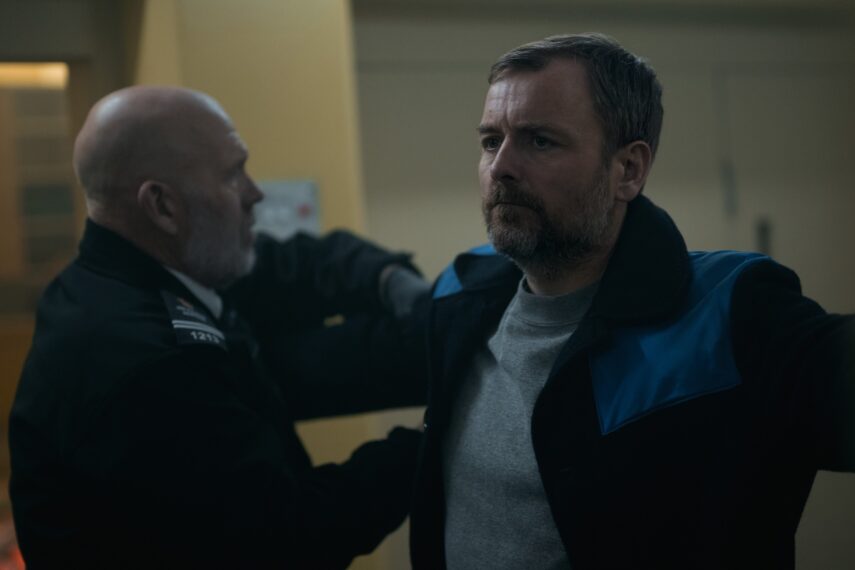
Sam spends most of the season talking to Chief Winter (Christiane Paul), negotiating for the passengers’ freedom in exchange for John Bailey Brown (Ian Burfield), part of the Season 1 hijacking, being brought to him (as he’s being told to demand). He’s also told that John killed his son. But once, in the finale, he is face-to-face with John, he learns that the other man had nothing to do with his son’s murder. Rather, as is revealed, it’s the lead Season 1 hijacker, Stuart (Neil Maskell), in prison, who orchestrated the entire thing. Marsha, meanwhile, saves herself from those hunting her in the woods in Scotland. And once the right people are arrested (or dead) and the passengers are safe, Sam calls Marsha. With that, the season ends.
Apple TV
Below, showrunner Jim Field Smith explains the Season 2 finale ending — will there be consequences for Sam? — as well as the story he wanted to tell with Marsha and more.
Will there be consequences for Sam? He was tricked into doing what he did, and he wasn’t the one behind it. He didn’t kill anyone. But he still did what he did.
Jim Field Smith: We were talking about this the other day, actually. He finishes talking to Marsha, as we roll the credits, it’s like, does he just walk off and then gets a little tap on the shoulder like, “Oh, by the way, you’re definitely under arrest”? I think Sam obviously was pushed into doing a lot of bad things and having to make a lot of tough choices, some of which was inevitable because he wants to save Marsha and he wants to get answers, but he could have said no when he was recruited by Lang [Arsher Ali] the night before. We imagined him being sort of lured there, met at the airport and sort of pulled off into the bar that Zoran [Dejan Bućin], the detective, goes to investigate and we can imagine them sitting in there and Lang saying to him, “You’re going to do this because if you don’t do this, then Marsha will die.” But also then appealing to his quest for justice and saying, “If you do this, you’ll get answers to the questions that you’re after.” And so Sam does some things that really he could have not done. He could have said, “No, just kill me now. OK, yeah, maybe Marsha dies, but I’m not going to endanger 200 people on a train just because you want me to do your bidding for you.”
So what I like about that is it makes Sam more morally questionable. He’s not just a perfect guy who only does things because he has no other choice. Sam is an active participant in what’s going on. He’s choosing to get involved. I haven’t spoken to a lawyer about what his actual charges would be against him, but aiding and abetting a known criminal would probably be one of them, I suppose, and accessory to murder potentially. But you’ve got to imagine that he would presumably be treated with a reasonable amount of leniency, but if there’s a Season 3, does it open with Sam in prison, is that your next question?
Well, actually, my next question was does Sam think that he should be facing consequences?
Yeah, in Season 1, when Sam gets on that plane, he’s a selfish character. He is thinking, “I can just nip home to London. I can buy a Gucci bracelet and I can give it to my ex-wife and I can talk her back around and then I’ll probably nip back on a plane again and carry on with the meeting I was just doing.” And then the plane gets hijacked, and actually, all of his motivations in the first half of Season 1 are selfish. It’s him saying basically, “I want to get back to my family, so I’m going to inveigle myself with these hijackers and see if I can’t sway the course of fate a little bit. Then he realizes that there’s bloodshed and people are actually dying, and it’s not a business negotiation, this is real life and characters die on the plane in front of him. And so by the end of Season 1, Sam has gone from being this completely selfish character to realizing that he needs to access a part of himself that’s less selfish, that’s more selfless, and he needs to talk to people on a human level rather than just constantly seeing people as chess pieces.
In between Season 1 and Season 2, he’s gone through this awful trauma and in Season 2 he is essentially doing it for mostly selfless reasons. He’s doing it. He wants to save Marsha. There’s a part of him that wants answers and he thinks he can get those answers, but he’s essentially doing it for selfless reasons and he says at multiple times during this season, “I’m prepared to die. I know that the outcome of this is probably going to be that I die, but I can’t let Marsha die, and I can’t let the 200 people on this train die.” So I think he knows there’ll be consequences, and I think he thinks the consequences are, “I’m dead and therefore I’m already dead and therefore I can sort of act in quite a nihilistic way because I’m already dead.”
When did you know that Stuart would be the one behind it? Was that planned from the start, once you started working on Season 2, or were there other possibilities of how this could go?
Well, the thing is with Stuart is Stuart has to be in prison in Season 2 because of what he’s done in Season 1 — or he has to be dead for some reason. He’s not going to be out in the world. So the problem with that is you need antagonists that are face-to-face with Sam. You don’t want him dealing with just remote people the whole time. So he wanted to give real on the ground people for him to deal with, but it was like, how can we involve Stuart? And we were talking about, could he be involved because the police go and talk to him to try and get some intel or an angle on what’s going on, or do they try and get Stuart to talk Sam out of it? We were going through all these different possibilities of what it could be, and then we liked the idea that yeah, Stuart is playing dumb and that actually Stuart’s orchestrated the entire thing from this sort of almost impossible position of — he’s got complete deniability because he’s in prison.
Neil’s so good and we were really keen to bring him back and those two are the ones that have real beef. Sam thinks he’s got beef with John Bailey Brown because he’s been led to believe that John Bailey Brown killed his son. But of course that felt like a really good hook, but it felt like we needed to move beyond that and discover that actually the truth was something completely different. I love that moment in Episode 8 where he finds out that he’s been completely hoodwinked by that, and no one actually ever says to Sam that Stuart’s behind it, but Sam figures it out in that moment basically.
So it was on Stuart’s orders then that his son was killed. It wasn’t like this was an accident that he took advantage of?
No, after Season 1, Sam’s investigating the paper trail behind the hijacking. Obviously he’s a guy who’s obsessed with why has this happened and why has my family been involved in this? We like the idea that maybe Sam got a little bit too close to the truth. And so Stuart, they whack Kai as a warning, but also as something that they can deploy against him in future. So the idea is that Stuart orders Kai to be killed probably by Lang or Lang probably helped organize it for sure. It was a hit and run accident, but it’s clearly been orchestrated by shadowy forces and Lang would be the obvious person there, and then they’re able to use that against Sam basically because he’s motivated by grief.
Meanwhile, you had Marsha saving herself. Talk about crafting her survival story. You told me at the beginning of the season that it was the counterpoint to Sam’s and it was important she not be a damsel in distress.
Firstly, Christine Adams is such a brilliant actor and in Season 1, we spoke about this before, it’s a passive role that she has because she’s completely unaware of the hijacking to start with and she just thinks Sam’s being his usual annoying self, which is fun, but it’s like you can’t really do much more than that in a season. So once you’ve decided to kill Kai, it’s like, well, Marsha is really the only bit of leverage they have against Sam. We were just thinking of ways that you could put Marsha in peril without her realizing it. We liked the idea of Marsha’s story’s like a sort of capsule series within the series. We like the idea of it being this sort of ’90s psychological thriller.
We talked about that a lot. We talked about this Marsha’s storyline should almost work on its own without the rest of the season. It should feel like, does she know she’s being watched and at what point does she figure out that she’s being watched and when she going to let on that she knows she’s being watched? We talked about all that stuff a lot and when she figures it out and when the penny drops and how she’s able to use that knowledge against the people that are trying to come after her. I think there’s so much tech in the show, in any modern show, you’re sort of hampered in the writer’s room by tech. Tech is always such a problem. The great thing about putting her in the middle of nowhere with no mobile phone signal is you immediately make it about much more elemental things.
Apple TV
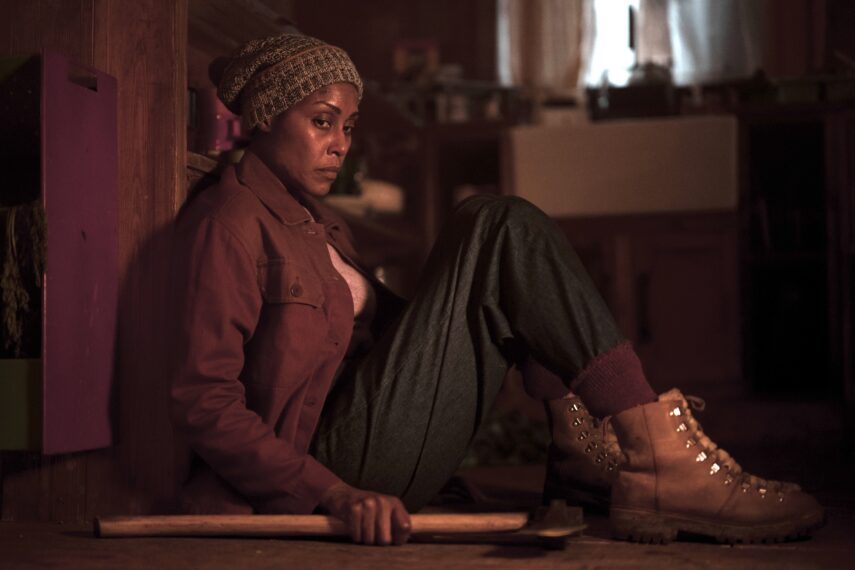
Putting her in the middle of remote Scotland, it’s sort of beautiful and rugged and all of those things, but also you can just get rid of the idea of having to deal with technology basically. People are trying to get hold of her and they can’t, which is interesting, but in terms of her world, it’s quite elemental. You’ve got two people with dogs and a shotgun, and her with nothing to defend herself with apart from an ax and her own wits. So we liked that. We liked that it was quite elemental and basic and there’s no machinery.
How are Sam and Marsha going forward? It’s interesting to watch them build to a place where it’s like they could be getting closer again, but not in such a way that you’re ever thinking that they’re going to get back together. It’s more so just reaching a new understanding with each other maybe.
Yeah, exactly that and that’s why we ended the season with the phone call, which you don’t hear what they say to each other, but hopefully you can guess at what they might say to each other in that moment. Marsha’s with Daniel [Max Beesley] in Season 2. She’s gone away to get some headspace, but she’s with Daniel. Sam is sort of endlessly frustrating to Marsha as a person, but it’s not the same relationship as the relationship from Season 1 because they’ve been through this shared trauma. Marsha knows what Sam did in Season 1. She knows that he did this incredibly sort of selfless and heroic thing in trying to end the hijacking and successfully ending the hijacking.
And then they’ve gone through this awful, shared trauma of losing a child, and people have said to me, “Oh, do they get back together?” I was like, “Well, why does it have to be that? Why does it have to be about romance?” These are two people who are connected by their child, who they’ve raised and who has died in the most awful circumstances, and Sam has just gone through hell and Marsha has just gone through hell again because of all the same people that killed their son and they’re bonded by that trauma and regardless of how they feel about each other romantically, that’s not interesting to me. I like for people to imagine what that phone call the content of that phone call is, and I would like for people to imagine that’s probably not her going, “Oh, I want to take you back.” It’s definitely not that. I can tell you it’s definitely not that, and it was uninteresting to me to have their storyline in this season be about, “Are they going to get back together?”
How is Sam doing going forward? There’s everything that he did, everything he’s learned and will learn…
I just wanted Season 2 to feel like a kind of companion piece to Season 1. I wanted them to feel like they sort of snuggled, spooned each other. I don’t like it when everything’s super neat and I didn’t want it to be like, oh, it’s a full circle and everything’s fine again. Of course, everything isn’t fine. His son is still dead. He has still got very severe PTSD from what he has been through. Marsha will have very severe PTSD from what she’s been through. He will have to deal with the consequences of his actions. He will probably face prosecution. There’s all these things that are unanswered questions that are sort of left dangling in the ether at the end of the season, and that’s more interesting to me than just wrapping it up and going — didn’t want the chief of police coming over and saying, well, typically technically speaking we should arrest you, but you’re such a good guy, we’re going to let you go. Like I said, if there was going to be a scene that we don’t see or a post-credit scene, it would be him trying to walk off and getting a tap on the shoulder and saying, no, you are literally going to jail. Where do you think you’re going? So yeah, he’s left with some answers that he wanted, but he’s going to have as many questions as he is going to have answers.
When you brought up the PTSD — he’s also left with the feeling that because of him, other people now have PTSD because of what he did.
Yeah, he essentially chose to trap 200 people on that train when he got on that train, and he had to get on that particular train. He was told to get on that particular train. … We like that the moment those doors shut behind Sam, just before the titles in Episode 1, he has sealed the fate of those 200 people and he feels the weight of that very keenly in the show, I think.
Hijack, Seasons 1-2, Streaming Now, Apple TV

















 Watchlist Easy access to only the shows you care about — all in one simple place
 Alerts Only important notifications — when a show is returning, when it becomes available to stream, and more.
 Special Offers Exclusive products we release related to your favorite shows and streaming services