
‘Dancing With the Stars’: When Are Lifts Allowed? The Rules, Explained



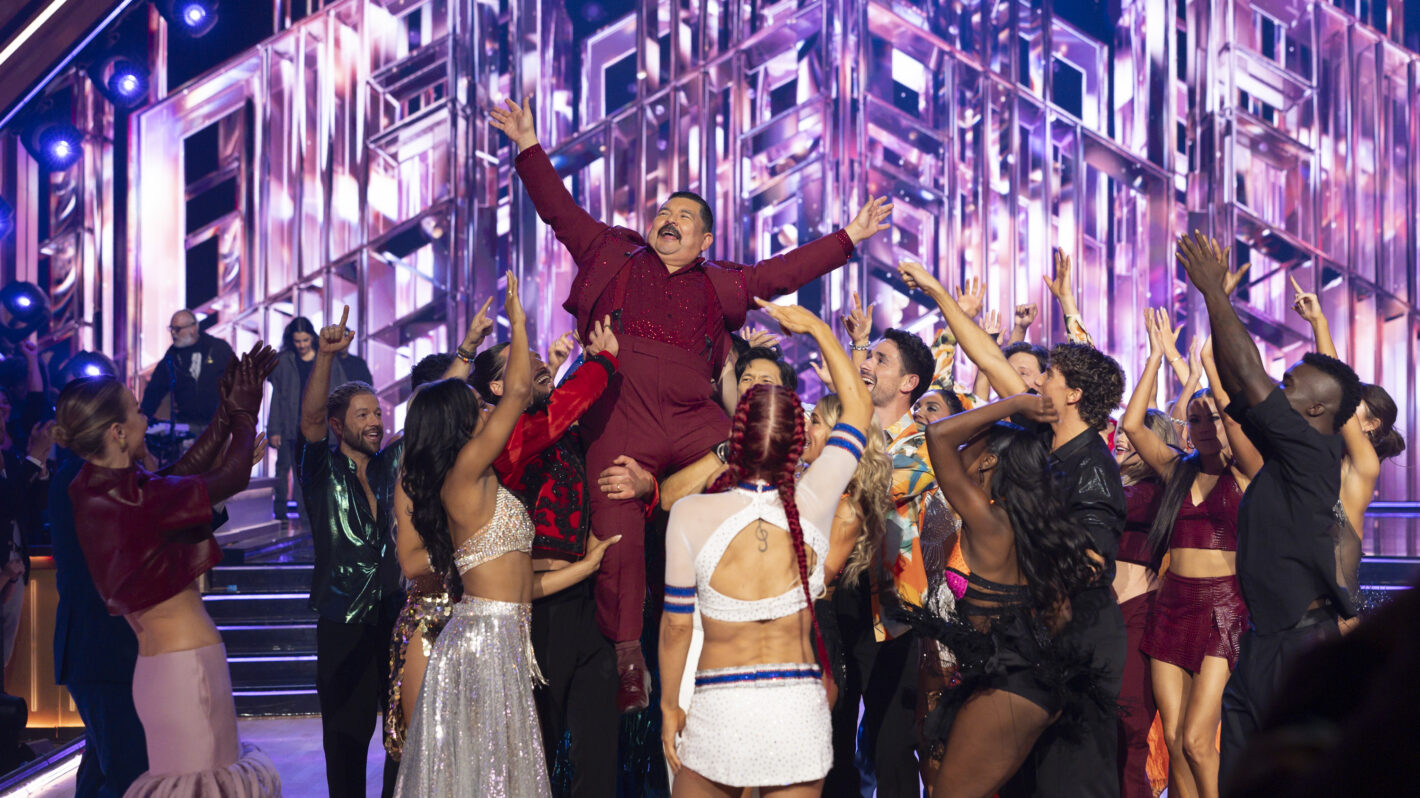
One thing about Carrie Ann Inaba is she’s going to be a stickler for illegal lifts on Dancing With the Stars. For years, the longtime judge has deducted points from contestants who put lifts in dances where they are not allowed, and sometimes, her scoring decisions have been controversial.
The October 13 episode featured an exchange between Inaba and pro Jenna Johnson about lifts. Johnson was confused when Inaba said her samba with celeb partner Harry Shum Jr. had an illegal lift, prompting Inaba to pick up a piece of paper and read the definition out loud: “A lift is any movement during which one of the dancers has both feet off the floor at the same time with the assistance of their partner.”
At one point during the dance, Shum was lifted off the ground by troupe members, who assisted him in doing a backflip where both of his feet were off the floor.
this was insane 😭😭😭😭 #dwts https://t.co/ILwcGqjI0k
— kat ✮⋆˙ (@lovedwtsisland) October 14, 2026
Meanwhile, Inaba praised Tyler Cameron and Sharna Burgess for the impressive lifts they did in their jazz routine, and many fans called out the apparent contradiction on social media. However, jazz is one of the dances where lifts are allowed, while samba is not. Scroll down for an explanation.
When are lifts illegal on Dancing With the Stars?
Lifts are not allowed for traditional ballroom and Latin dance styles. Those dances are: rumba, cha-cha, jive, paso doble, samba, tango, waltz, Viennese waltz, fox trot, and quickstep.
When are lifts allowed on Dancing With the Stars?
The biggest moment for lifts on the show is, of course, during the freestyle dance in the finale. The pairs who make it to the final episode of the season are allowed to perform one dance with no rules at all, and lifts are encouraged.
Over the years, other dance styles have been added to the DWTS lineup that also allow lifts. In any of the dance styles outside of the 10 standard ballroom/Latin dances (above), lifts are allowed.
Some of the styles that often pop up on DWTS that allow lifts are: jazz, contemporary, salsa, Argentine tango, and Charleston.
Why is there a lift rule on Dancing With the Stars?
Inaba previously explained in Season 28 of Dancing With the Stars that the lift rule was put in place from day one to make the show an even playing field for all contestants. Not all of the celebrity competitors have the ability to perform lifts because of age, physical limitations, and more, so having the lift rule makes things more fair.
She also wrote about the lift rule in a 2017 Facebook post, explaining that the rules are the same as those in a “true ballroom and Latin dance competition.”

Inaba added that the rule also “keeps it fair for competitors of all ages and abilities to compete on our show. It levels the playing field for those who have physical challenges that make lifts impossible. If lifts were allowed in every dance, people would start doing lifts to make their dances visually exciting, because truth be told, a good lift is always great to watch.”
To be clear, the rule was put into effect by producers of the show, and Inaba is just the one to enforce it behind the judges’ table. “I didn’t make it up,” she previously told Parade. “The producers have had this rule in place since the first season. I know it upsets people, but it is a rule.”
Dancing With the Stars, Season 35, Tuesdays, 8/7c, ABC and Disney+

Don’t Miss All the Twists and Turns!
Get absolutely everything about Dancing With the Stars in your inbox!


Conversation1 Comment
Please read the TV Insider Community Guidelines.
Register or sign in to join the conversation.
-
M
the way she read the rule stated "by their partner" I did not see Jenna lift him so I technically think Carrie Ann is wrong. JMO
 Watchlist Easy access to only the shows you care about — all in one simple place
 Alerts Only important notifications — when a show is returning, when it becomes available to stream, and more.
 Special Offers Exclusive products we release related to your favorite shows and streaming services