
As ‘Pop-Up Video’ Turns 30, See Why Controversy Popped Up Around Some Segments



When Pop-Up Video debuted 30 years ago — on October 27, 1996 — music videos were still a popular programming choice on cable television. And this VH1 program annotated popular videos with on-screen bubbles providing viewers with behind-the-scenes details — and occasional snark — about the musician and directors behind the clips.
However, sometimes, Pop-Up Video had recording artists, managers, or executives popping off.
“Considering the puff treatment these singers and musicians are accustomed to receiving from VH1 … Pop-Up Video’s less-than-fawning approach has not surprisingly left a few egos out of whack,” production company Spin the Bottle explained on its now-archived website. “A discreet high-level call to an executive here can sometimes result in a censored Pop-Up Video.”
For pop posterity, the company also listed examples of this kind of outrage, giving us these anecdotes about the so-called “Pops They Stopped.”
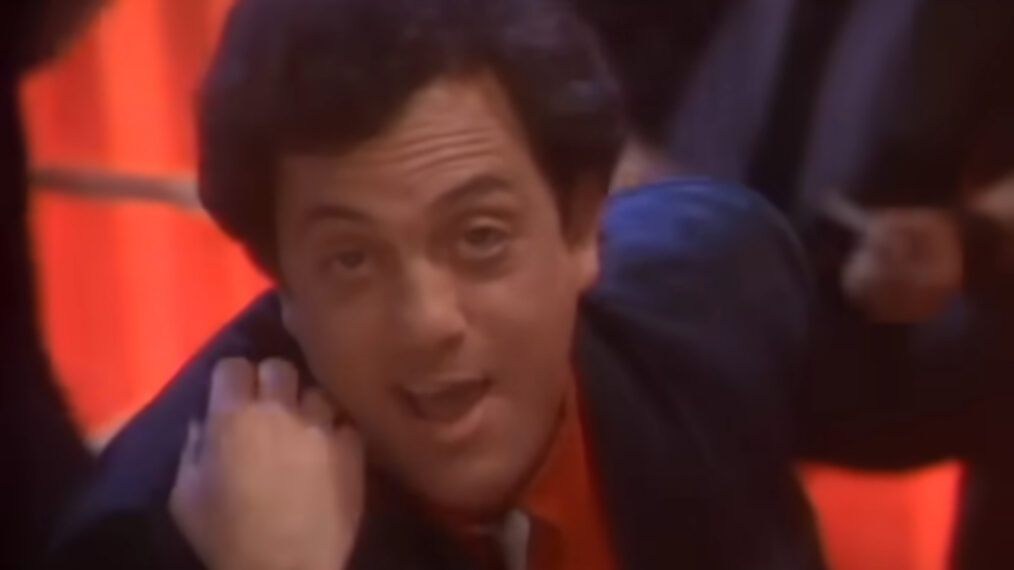
Billy Joel’s “Keeping the Faith”
For starters, Spin the Bottle shared a New York article about its coverage of Billy Joel’s music video for “Keeping the Faith,” which included jabs at the singer’s fashion sense, dance moves, and relationship with ex-wife Christie Brinkley, the magazine said.
Joel reportedly called then-VH1 president John Sykes to complain, with a spokesperson for the singer saying that the annotations contained “misinformation” that “hurt his child.”
A VH1 spokesperson confirmed that the channel pulled the episode to placate Joel. “He’s a friend of the channel,” that rep said. “It’s a very rare thing when this sort of objection comes up, but when it does, if it’s warranted, we will listen.”
Tad Low, a cocreator of the show, contended, “We just make sure that everything’s absolutely true in the show; it’s up to VH1 to decide what they want to put on their air.”
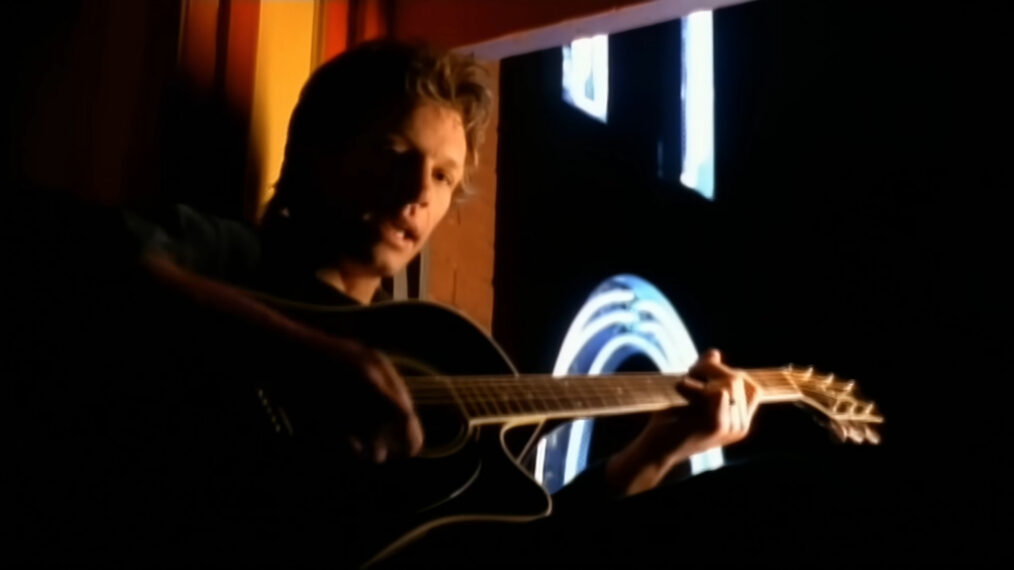
Jon Bon Jovi’s “Midnight in Chelsea”
Mark Pellington, the director of Jon Bon Jovi’s “Midnight in Chelsea” music video, sent an angry letter to Pop-Up Video’s producers after they teased him about his college major on the show.
In the notes about “Midnight in Chelsea,” the Pop-Up Video segment mentions that Pellington once said that “different disciplines teach you various things and multiple techniques” and that he majored in rhetoric. The segment then defines “rhetoric” as “overelaborate, affected, or intellectually vacuous language.”
In his letter, apparently CC’d to Sykes, Pellington said that his “track record and credibility as a director are far from ‘intellectually vacuous’” and that Pop-Up Video is “one step above tabloid garbage.”
Spin the Bottle responded on its website, saying, “We were so taken by the high-minded words of auteur Pellington that we created an annual award in his name, bequeathed upon the staff member who successfully garners the most wrath from the music video community.”

The Police’s “Every Breath You Take”
The Police manager Miles Copeland, brother of drummer Stewart Copeland, sent Sykes a letter to complain about the Pop-Up Videosegment about the band’s “Every Breath You Take” video and its reporting that members of The Police, Sting included, would get into physical altercations with each other.
“One does not become the biggest band in the world by being a bunch of squabbling school boys,” Miles wrote in his letter, in part. “I have instructed A&M to immediately call for the withdrawl [sic] of this video from your program until it can be fixed in a manner which will be approved by the artists.”
VH1 ordered the episode be pulled, and then Spin the Bottle then sent Sykes an angry letter of its own. “Copeland’s accusation that the band members come off ‘as squabbling school boys’ is not only based on triple-sourced facts, but an actual videotaped excerpt of them rough-housing with each other,” the production company wrote, adding that Sykes himself was a producer of said footage.
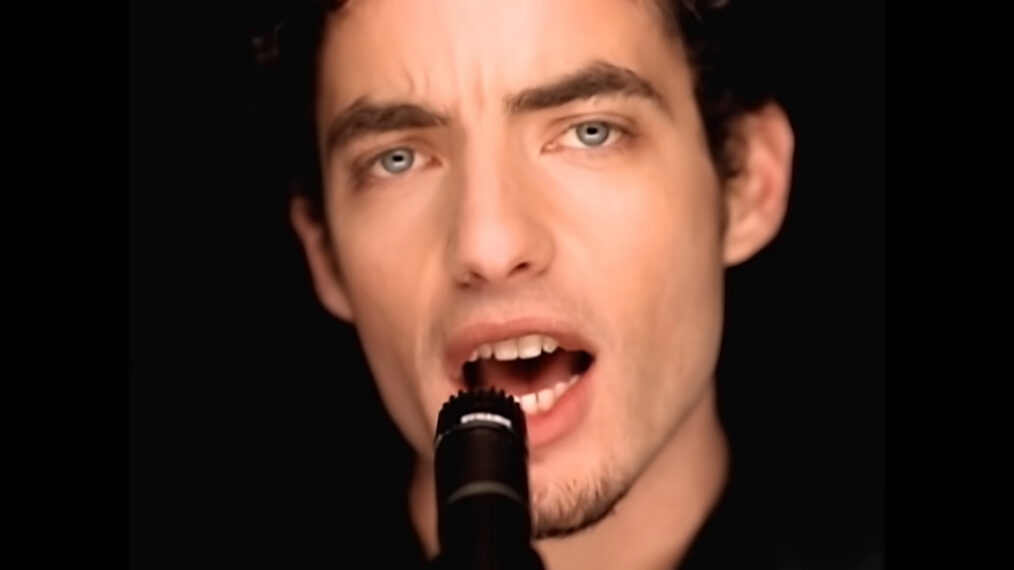
The Wallflowers’ “One Headlight”
Spin the Bottle said that the first time VH1 “buckled” following a complaint about Pop-Up Video from a recording artist was when Jakob Dylan called the cable network to protest the TV show’s coverage of his band’s “One Headlight” music video, a segment he deemed too nasty.
Much of the script Spin the Bottle posted has to do with the logistics of the music video shoot — including the extreme cold during production — but it does call Jakob, son of Bob Dylan, a “famous-kid-of-a-rock-star-turned-rock-star-wannabe.” It also notes that Jakob and Bob’s respective debut albums both bombed.
On its website, Spin the Bottle speculates that VH1 capitulated to Jakob because “the overly-sensitive Wallflowers were headlining the channel’s high-profile, but low-rated Honors award show later that week.”
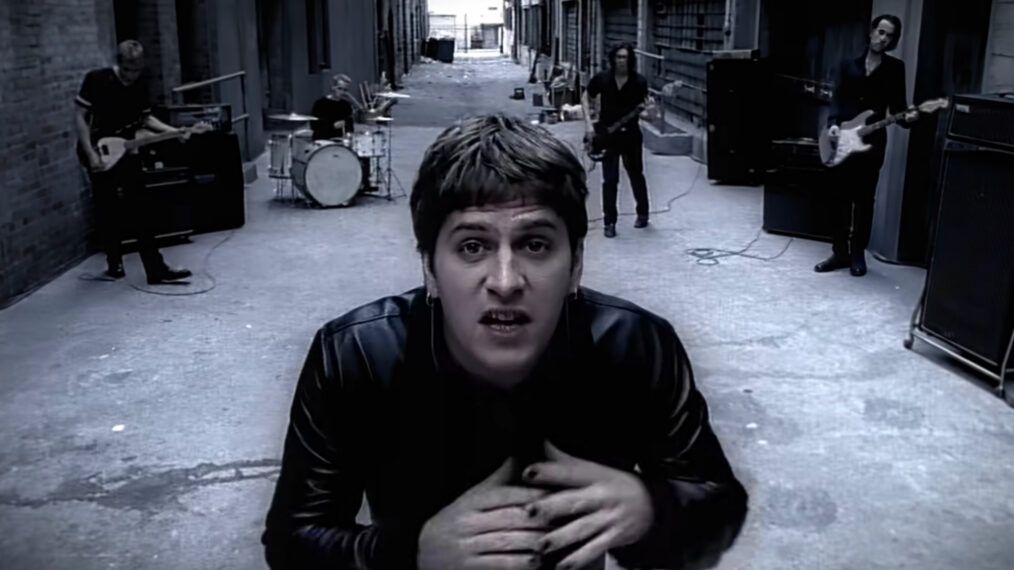
Matchbox 20’s “Push”
The Pop-Up Video script for its segment on Matchbox 20’s “Push,” which Spin the Bottle posted online, said that feminist groups called for a boycott of the video, deeming it “girl bashing,” and that critics dissed the band as the “downfall of rock and roll” and “a pale version of folk-rock.”
Matchbox 20’s management took offense to the script, but Spin the Bottle didn’t relent, the production company said. “We had the option of changing the video, but felt that wouldn’t be fair to the millions of genuine music-lovers who felt the same,” the producers argued. “And who the hell is Matchbox 20, anyway?”

Mariah Carey’s “Honey”
During his time running Sony Music Entertainment, Tommy Mottola requested that the Pop-Up Video segment about his then-estranged wife Mariah Carey’s music video for “Honey” be pulled off the air, Spin the Bottle said.
The company explained Mottola took umbrage with Pop-Up Video saying that Carey wanted to escape “mobsters” in the video, that Carey had escaped her marriage to Mottola just before filming the video, and that the record exec had referred to himself in interviews as a “don.” The segment paired that last factoid with a photo of the character Don Corleone from the Godfather films “as a sort of visual aid for those who might think a Don is like a ‘nice guy’ or something,” the producers said.
Conversation
Please read the TV Insider Community Guidelines.
Register or sign in to join the conversation.