
14 Biggest Bombshells in Hulk Hogan Docuseries on Netflix



The following post contains discussions of drug use and addiction.
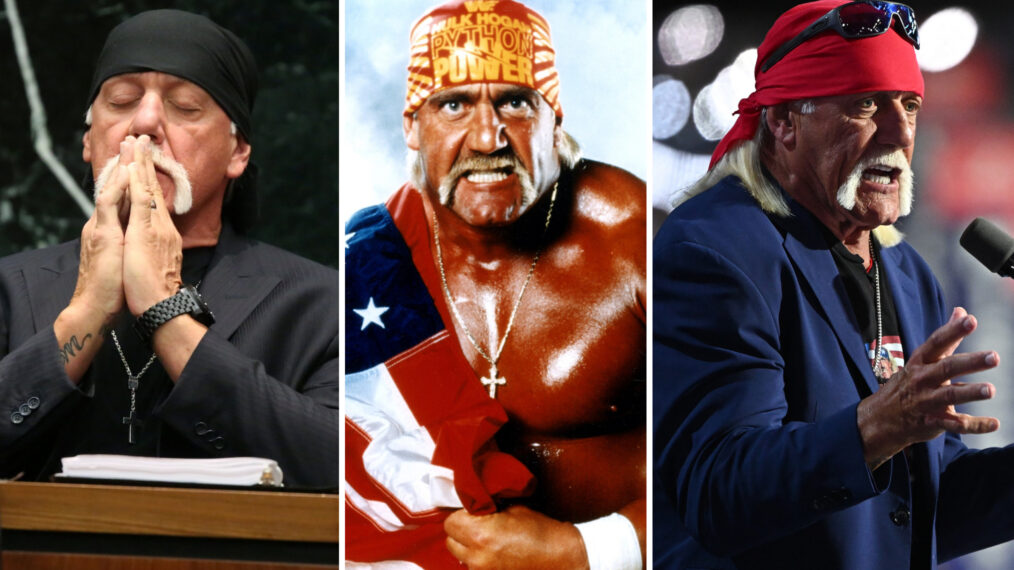
Honoring the man, his life, and his legacy in sports entertainment, Netflix’s Hulk Hogan: Real American looks at Terry Bollea and how he became the red-and-yellow-clad Hulk Hogan. Hogan, also known as “The Incredible Hulk Hogan,” was a larger-than-life figure who helped transform professional wrestling into a global phenomenon. Hogan died on July 24, 2025, at the age of 71, following reported complications related to cardiac arrest, marking the end of an era for fans who grew up on Hulkamania.
The new docuseries not only examines the personal history of the athlete and media personality, but it is also packed with surprising moments, from an appearance by a sitting U.S. president and an acclaimed filmmaker to revisiting junctures of sports history that often feel stranger than fiction, setting the stage for a series of bombshell revelations.
Here are the biggest shockers of the series.
Hulk Hogan: Real American, Netflix
14. Oh, hi, Werner Herzog!
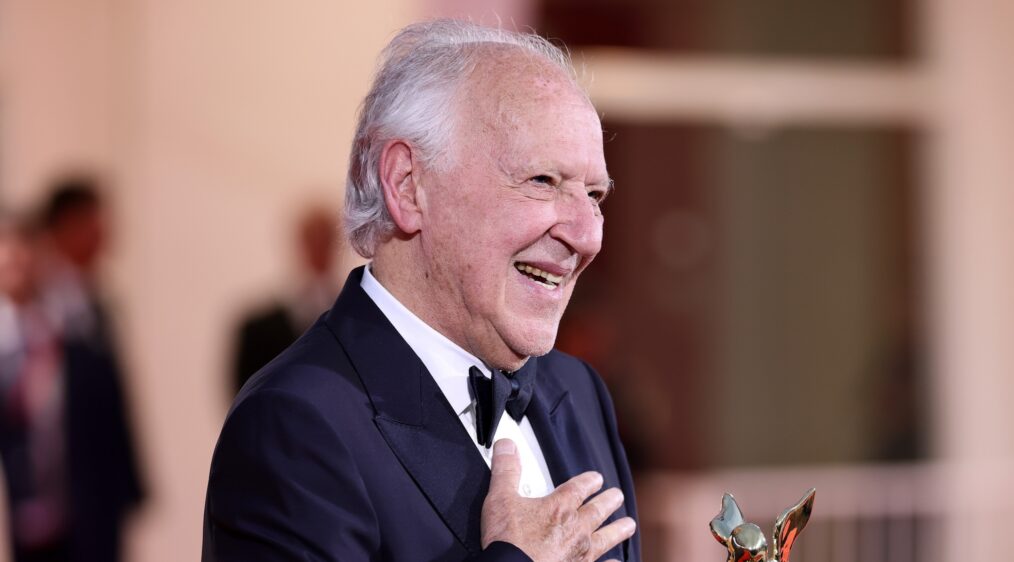
Among the more unexpected voices in Hulk Hogan: Real American is Werner Herzog, the acclaimed director behind films like Fitzcarraldo and Aguirre, the Wrath of God. His presence may seem surprising at first, but Herzog has long expressed a fascination with professional wrestling, once describing it as a “raw, primitive form of new drama” and praising the “comic-strip beauty” of WWE characters.
While it might feel jarring to see an arthouse auteur in a docuseries about Hulk Hogan, Herzog’s perspective fits neatly within the project’s exploration of performance and identity.
“All of us, in a way, have a performative life,” Herzog explains. “As a father, I am performative. And in your own wedding, you are performative. And on and on and on. And it’s part of human nature, of the human experience. There’s nothing wrong about it. Well, in the case of Hulk Hogan, it would be interesting to look into the performer and into the real Hulk Hogan, if he still exists.”
13. After the Republican Convention, Hulk Hogan was booed out of the building
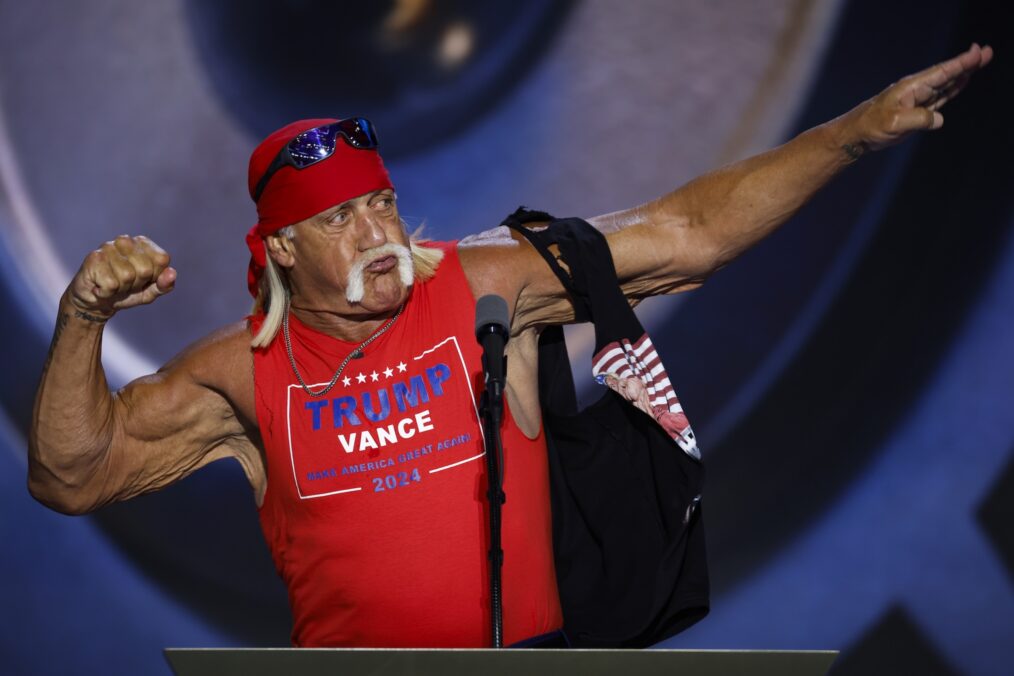
After appearing at the 2024 Republican National Convention, Hulk Hogan blended his brand with politics. He was also moving forward with his renewed deal with WWE, which welcomed him back into the fold after his public efforts at redemption.
However, during the Netflix premiere episode of Monday Night Raw in Los Angeles on January 6, 2025, Hogan was not well-received, as he was loudly booed by the crowd.
“Did I think we were going to get booed out of the building? Probably,” said WWE’s Chief Content Officer Paul “Triple H” Levesque. “Especially in L.A., right? There’s just a different vibe there and a different mentality there.”
For many, it wasn’t just his association with President Donald Trump, but the accumulation of controversies over the years and missteps they feel he never fully atoned for.
12. The sex tape hurt him, but racist remarks did more damage
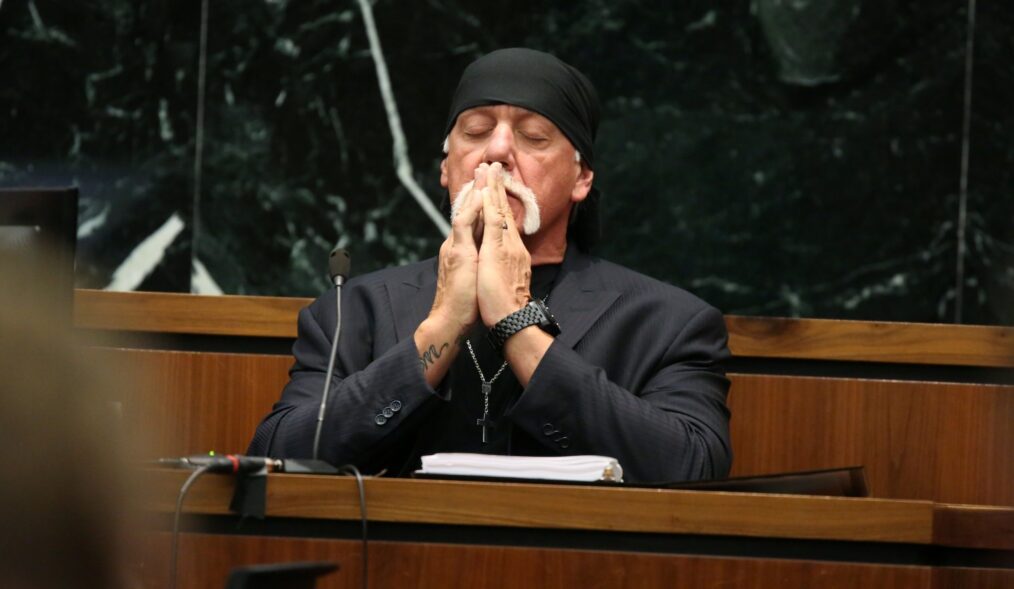
In 2012, Gawker Media published a short video clip from a sex tape featuring Hulk Hogan. Hogan sued Gawker for invasion of privacy, and in March 2016, a Florida jury found Gawker liable and awarded him $140 million.
While the lawsuit was ongoing, transcripts from the tape were unsealed, revealing that Hogan had made several racist and discriminatory comments. As a result, in July 2015, WWE moved to distance itself from him, immediately severing ties, terminating his contract, removing him from the Hall of Fame, and scrubbing his merchandise from its online store.
Paul “Triple H” Levesque, WWE’s Chief Content Officer, was tasked with delivering the decision. As he later said in the docuseries, “I didn’t fire Hulk Hogan, I fired Terry Bollea.”
11. 'We have never seen a human being take this much fentanyl'
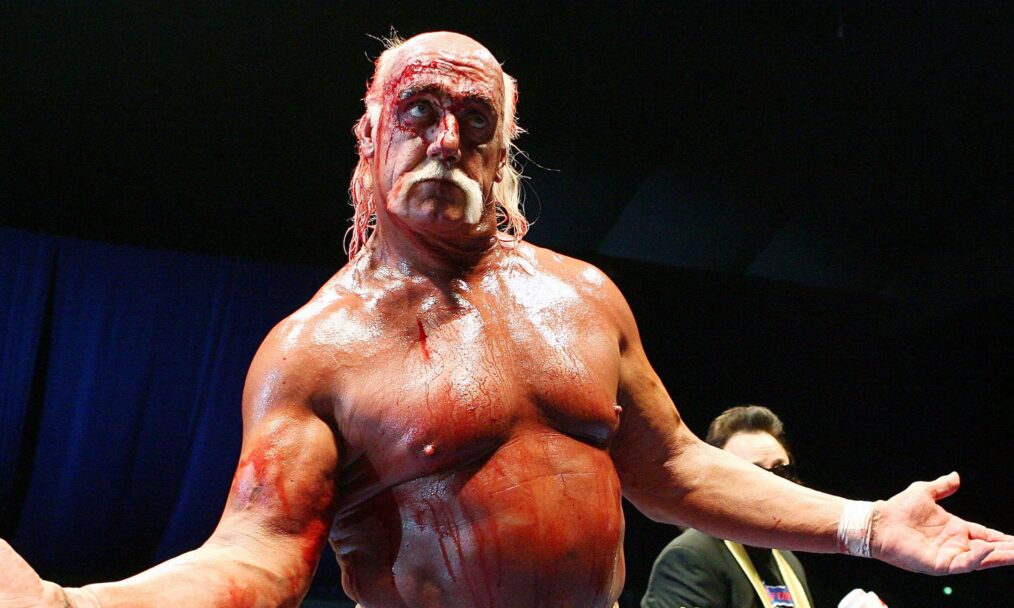
After his divorce, Hulk Hogan found himself in financial trouble and signed with Total Nonstop Action Wrestling, a smaller competitor to WWE. But years of injuries only worsened with continued time in the ring, leading to mounting physical damage and an increasing reliance on pain management. By 2010, his life had become a cycle of surgeries, medication, and occasional returns to the ring, even as his mobility declined and he struggled to function on his own.
Hogan later admitted to taking extreme amounts of fentanyl, including 80 milligrams under the gums each morning, two 300 milligram patches on his legs, and multiple high-dose fentanyl lollipops. In the docuseries, pharmacists told him, “We have never seen a human being take this much fentanyl.”
10. The 'Fingerpoke of Doom' was seen as the end of WCW
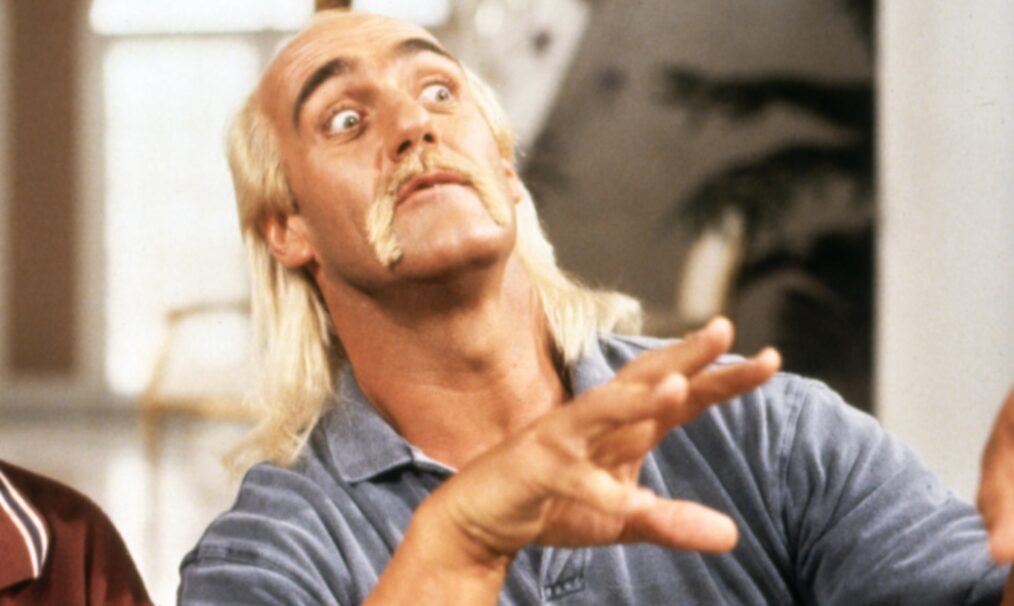
The “Fingerpoke of Doom” was widely seen as one of the lowest points in wrestling history. In the infamous 1999 WCW Nitro storyline, Kevin Nash, a towering figure in the prime of his health, was taken down by Hulk Hogan with a simple poke of the finger. By that point, injuries had limited Hogan’s in-ring abilities, leading to increasingly far-fetched ways to finish matches, including this moment, where a single touch appeared to incapacitate an opponent.
Fans did not buy it. Audiences rejected the angle outright, and in the docuseries, even a referee can be heard reacting in disbelief (“What the f…?”). “All you are doing at this point is just sort of messing with us,” said wrestling historian David Shoemaker in the docuseries.
9. The nWo was wrestling's first true 'meta' storyline
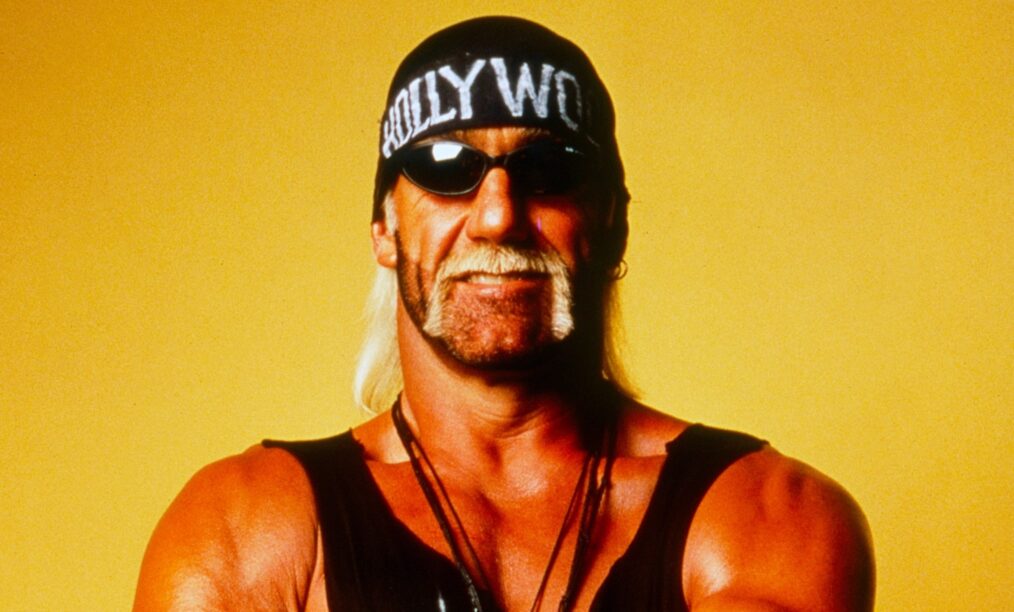
In the late 1990s, the formation of the New World Order (nWo) marked one of the first truly meta storylines in wrestling history, blurring the lines between what was real and what was part of the show. Scott Hall and Kevin Nash arrived in WCW, portraying disgruntled outsiders, launching a takeover angle that directly challenged the company and called out its top star, Hulk Hogan. What followed was a shocking and defining moment as Hogan turned heel, betraying fans who had long embraced his red-and-yellow hero persona. The reaction was immediate and furious, with audiences feeling genuinely betrayed.
For Hogan, however, the turn was almost therapeutic. After years of steroid allegations, shifting loyalties, and a complicated relationship with fans, he was ready for a change.
“All the red and yellow stuff is out the window. I’m going to be a bad guy now,” he told his wife Linda in the docuseries. Reinventing himself as Hollywood Hogan, dressed in black, he not only helped revolutionize wrestling storytelling but also revitalized his own career.
8. Hogan lied about taking steroids and had to step away from wrestling
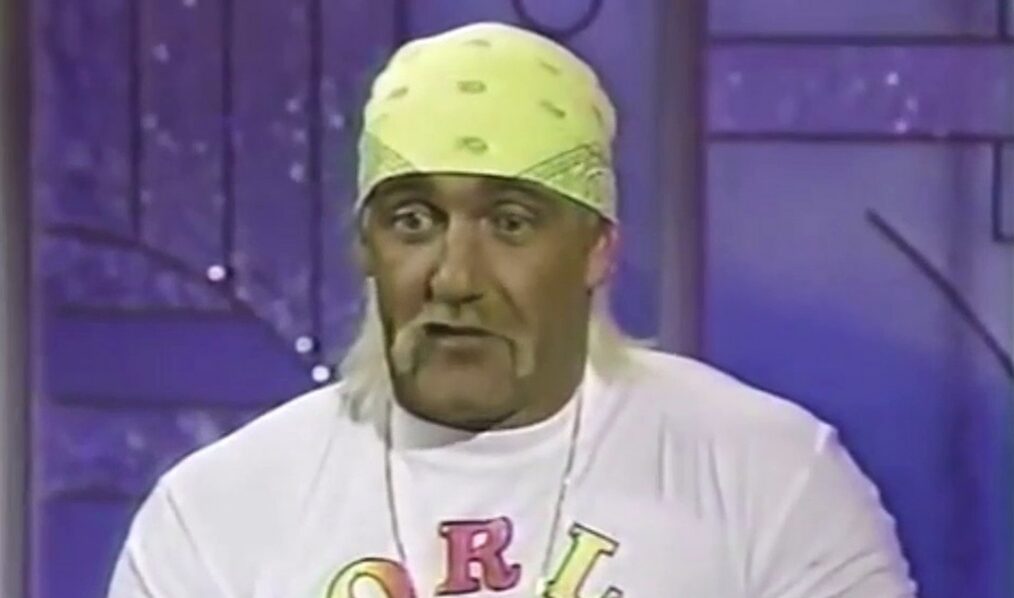
In the ’90s, Dr. George Zahorian was charged with distributing steroids to professional wrestlers, including Hulk Hogan. As the scandal grew, Hogan appeared on The Arsenio Hall Show in an attempt to address the allegations, denying his drug usage, though the American people saw through his lies. “Of course I lied to them,” Hogan said in the docuseries.
The statement confirmed what many in the industry and audience already suspected, damaging his credibility and causing fans to lose faith in him. In the fallout from the steroid controversy and his admission, Hogan stepped away from the spotlight at the height of the scandal.
7. His brother was a biker whose overdose death haunted him
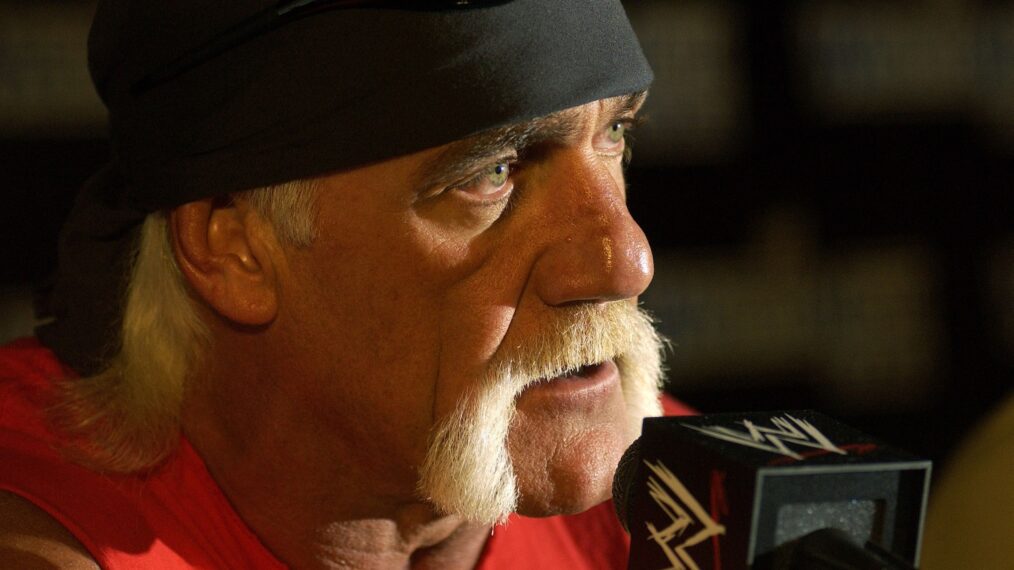
Hulk Hogan’s older brother, Allan Bollea, was his father’s favorite, but he left home early and fell in with bikers in Oakland, California. When he reentered Hogan’s life after a wrestling event, Hogan urged him to come along with him, wanting to reconnect with his brother, but Allan insisted on taking cash instead, saying he needed it for rent. Hogan gave him the money, and Allan headed on his way. Shortly after that match, Allan died of an overdose. “I should have taken him with me instead of giving him money,” a regretful Hogan said. “That was a hard one to get over.”
6. Mr. T helped legitimize wrestling
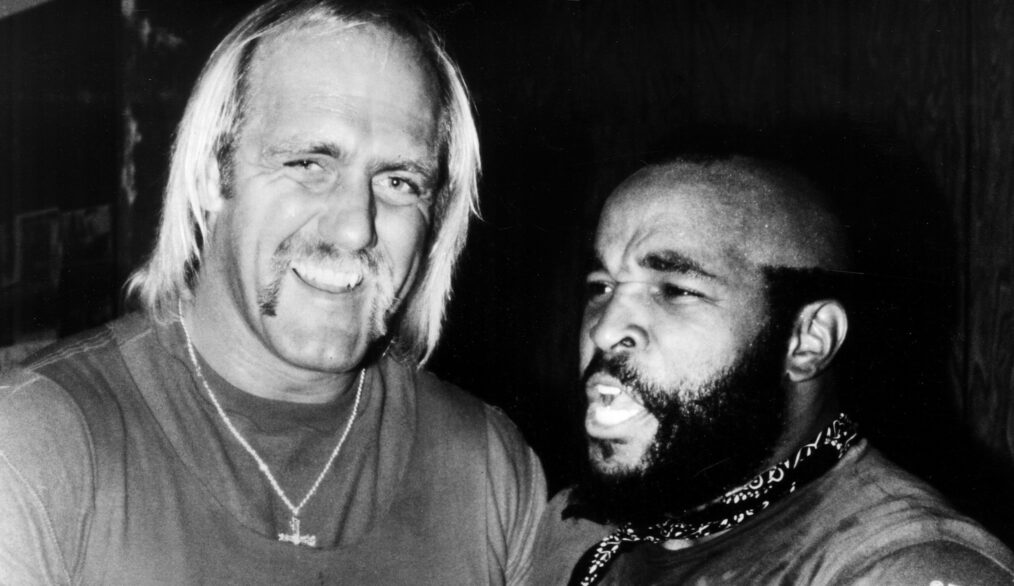
Even as wrestling surged in popularity in the 1980s, it was still seen as lowbrow by much of the media. In 1985, Mr. T teamed with Hulk Hogan for a high-profile tag match against “Mr. Wonderful” Paul Orndorff and “Rowdy” Roddy Piper at the first WrestleMania.
The event, held at Madison Square Garden, was a sold-out affair that drew A-list attention, with Muhammad Ali serving as special referee and celebrities like Cyndi Lauper, Andy Warhol, and Liberace in attendance. Billed as a battle of good versus evil, the match delivered, drawing massive attention and helping push wrestling into the mainstream, while transforming Hogan into a global superstar almost overnight.
5. Hulk Hogan put Richard Belzer in a sleeper hold, which led to a lawsuit
Before WrestleMania I, where Mr. T and Hulk Hogan were set to face “Mr. Wonderful” Paul Orndorff and “Rowdy” Roddy Piper in a good versus evil showdown, the duo was making nonstop promotional appearances.
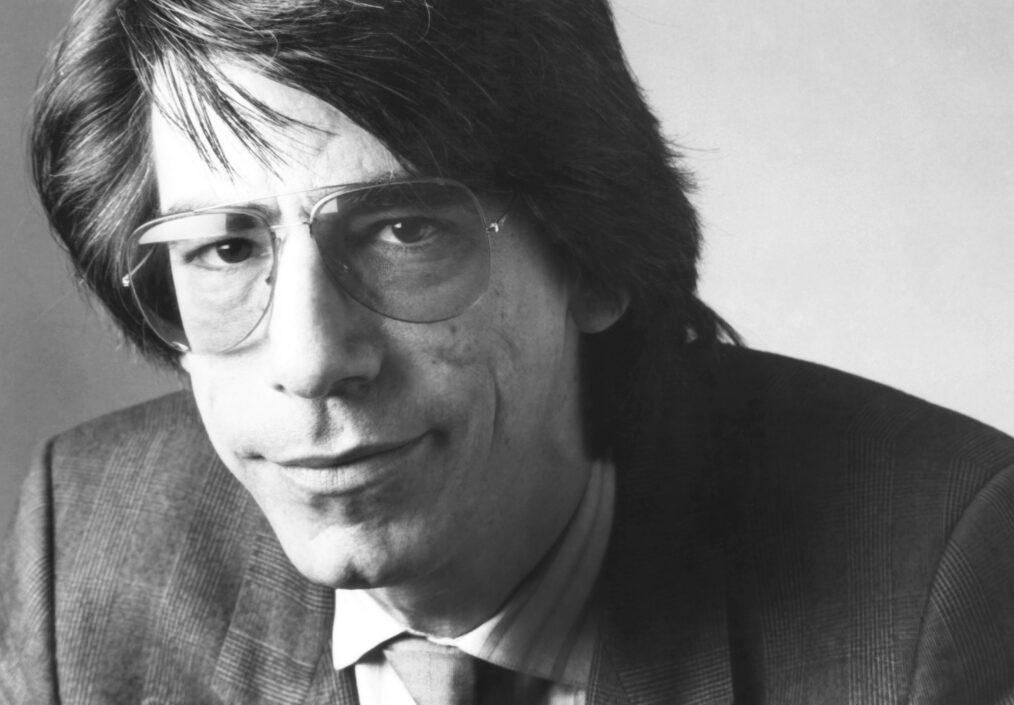
One of those stops was on the talk show Hot Properties, hosted by Richard Belzer. According to the docuseries, Hogan and Mr. T were told there would be children in wheelchairs attending, but when they arrived, that was not the case. Instead, they were met with a skeptical Belzer, who repeatedly dismissed wrestling as fake.
During the segment, Hogan attempted to demonstrate a sleeper hold on Belzer. As the hold was applied, Belzer lost consciousness and fell, hitting his head on the floor and requiring stitches. The incident quickly escalated, with Belzer eventually filing a lawsuit over the injury.
4. Hulk got his name from the comic book icon & Vince McMahon Sr.'s Irish roots
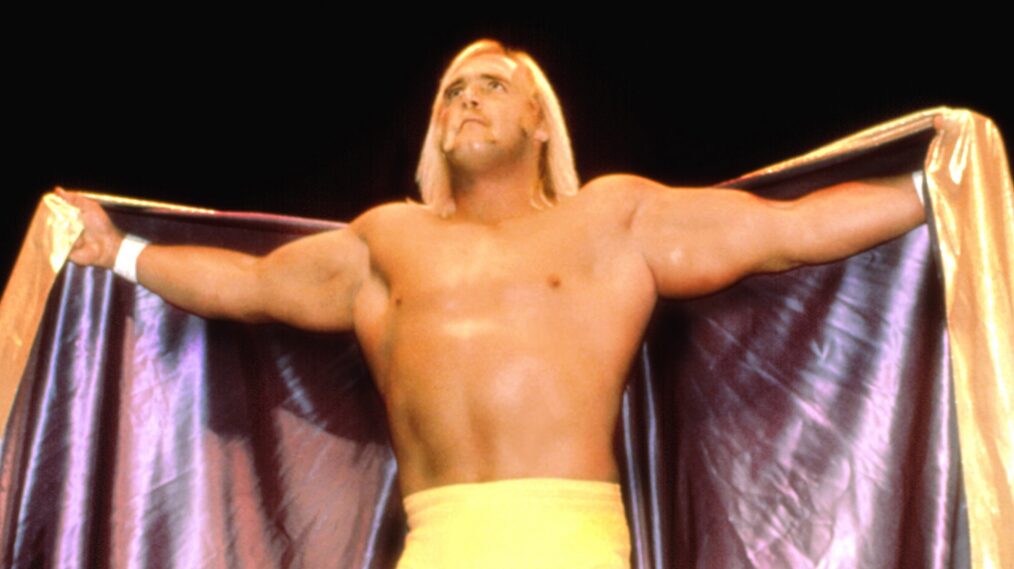
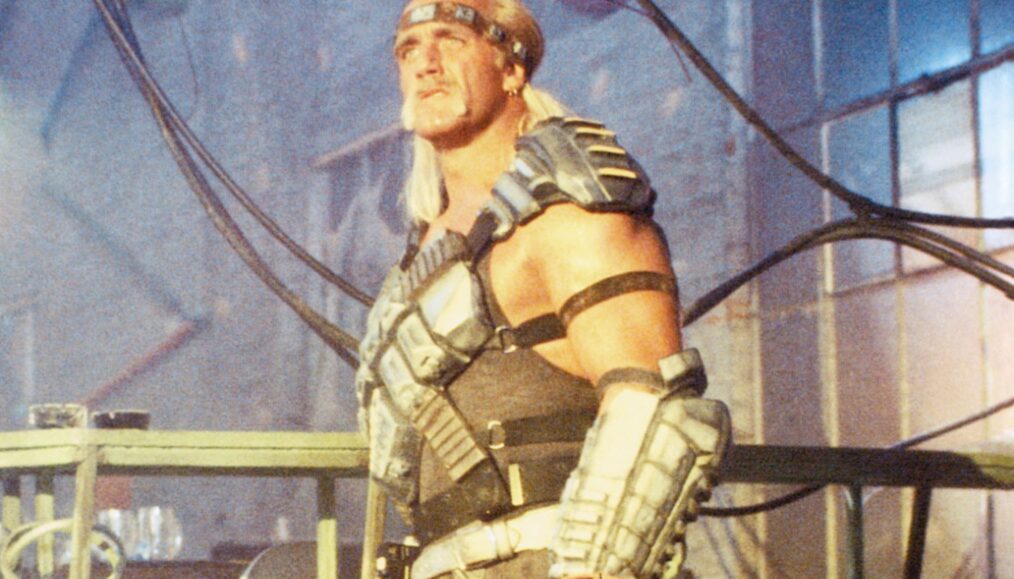
Before Hulk Hogan became a household name, he paid his dues wrestling under a mask as the Super Destroyer, a persona used to protect his image while he was still losing matches early in his career. Around that same time, his sheer size began turning heads.
Soon, he began wrestling under the name Terry Boulder, and promoters started calling him “The Hulk,” comparing him to the comic book giant. When he began working for Vince McMahon Sr., the name evolved into “The Incredible Hulk Hogan,” with “Hogan” chosen for its Irish sound (McMahon liked strong Irish names and strong alliterations).
3. He got into wrestling through his rock band
Before he became a wrestler, Hulk Hogan wanted to be a rock star. He wore platform shoes and played bass in a band, much to his father’s chagrin, which ultimately led to him being kicked out of the house.
While performing in Tampa, a group of wrestlers caught his act and noticed the 6-foot-7 blond musician towering even taller in platform shoes. Wrestlers who caught the show, like Superstar Billy Graham and Brian Blair, were blown away.
“He was the show,” Blair recalled. They took a liking to Hogan and soon began bringing him along to matches, setting him on the path to wrestling stardom.
2. Hulk Hogan was fired for doing Rocky III
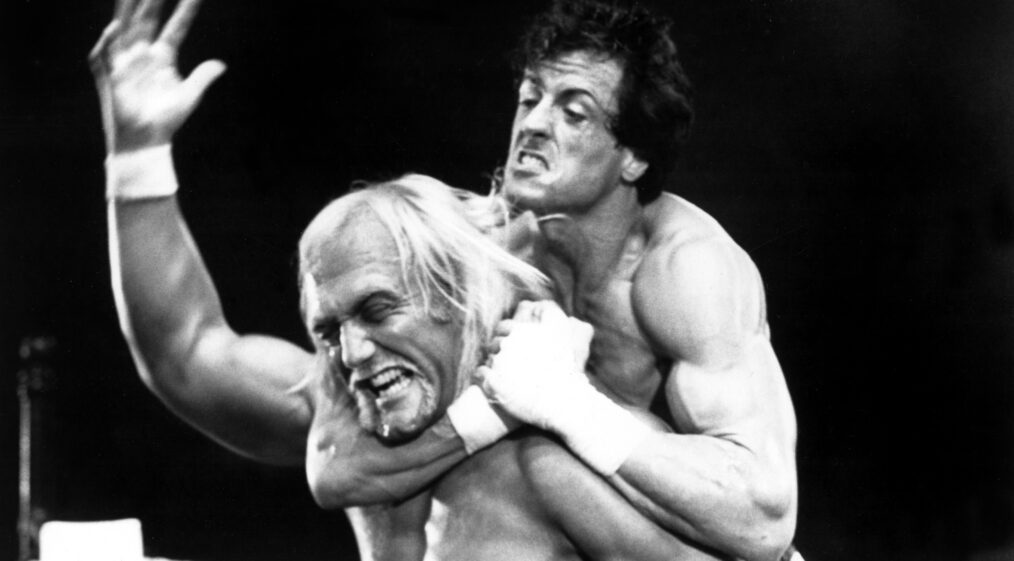
Sylvester Stallone discovered Hulk Hogan after watching him take on four wrestlers at once on late-night television and immediately wanted him for a cameo in Rocky III as Thunderlips, the terrifying wrestler Rocky Balboa fights for charity.
Hogan jumped at the opportunity, but Vince McMahon Sr. did not want his top star heading to Hollywood when he was scheduled for a television appearance in Charlotte at noon.
Although the two had a strong relationship, McMahon gave Hogan an ultimatum: “If you do the movie, you are fired.” Hogan’s response was simple: “OK, cool.”
He left, and as a result, the cameo helped introduce wrestling to a broader audience, exposing the spectacle to millions of new fans and turning Hogan into a household name.
1. President Trump makes an appearance
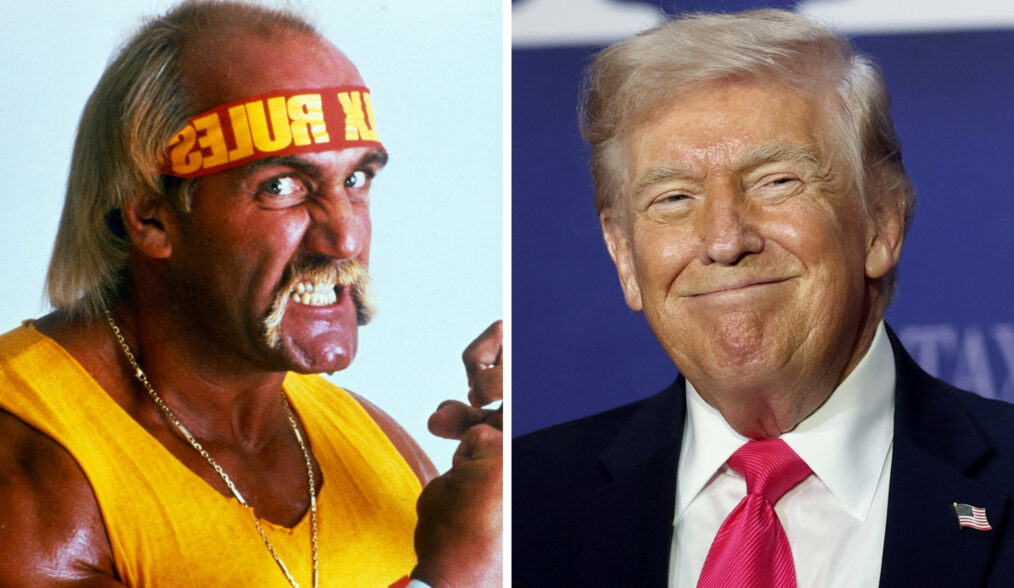
This marks the first wrestling docuseries to feature a sitting U.S. president. Donald Trump appears in the series explaining how he and Hulk Hogan became close friends during WrestleMania III. During the interview, Trump even tells tells the director, “I have a big Russia meeting going on, so…”
If you or someone you know has addiction issues, contact the Substance Abuse and Mental Health Services Administration‘s National Helpline at 1-800-662-HELP (4357). If you or a loved one are in immediate danger, call 911.




 Watchlist Easy access to only the shows you care about — all in one simple place
 Alerts Only important notifications — when a show is returning, when it becomes available to stream, and more.
 Special Offers Exclusive products we release related to your favorite shows and streaming services