
‘Life on Earth: Attenborough’s Greatest Adventure’ EP on Revisiting Landmark Nature Series



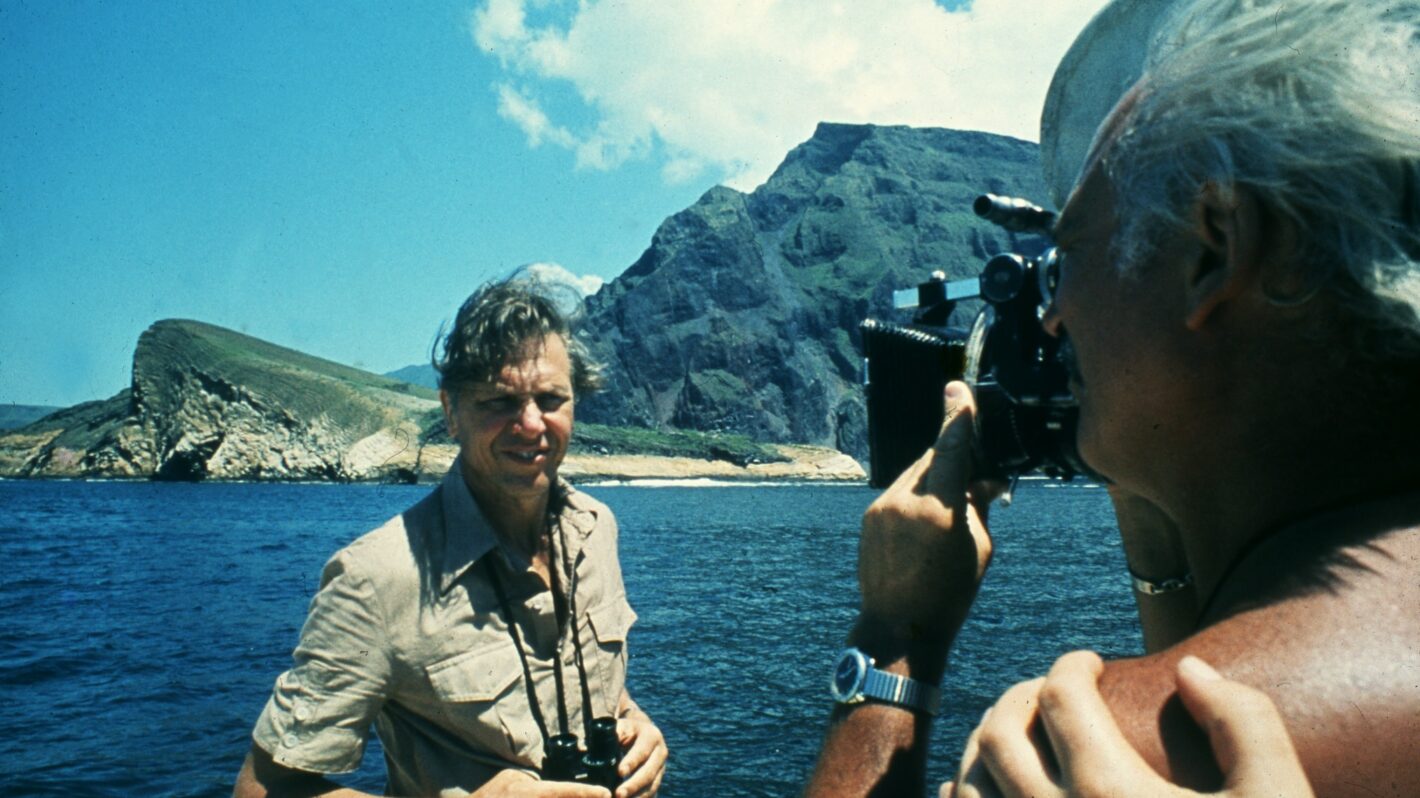
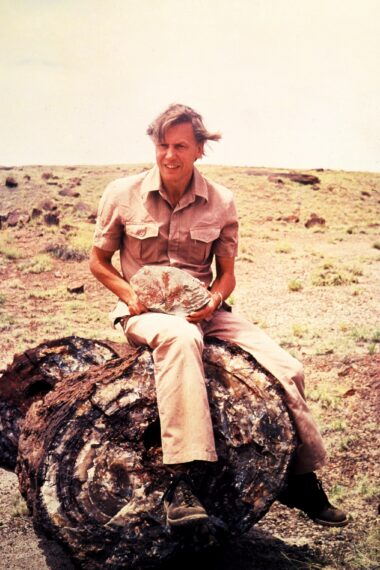
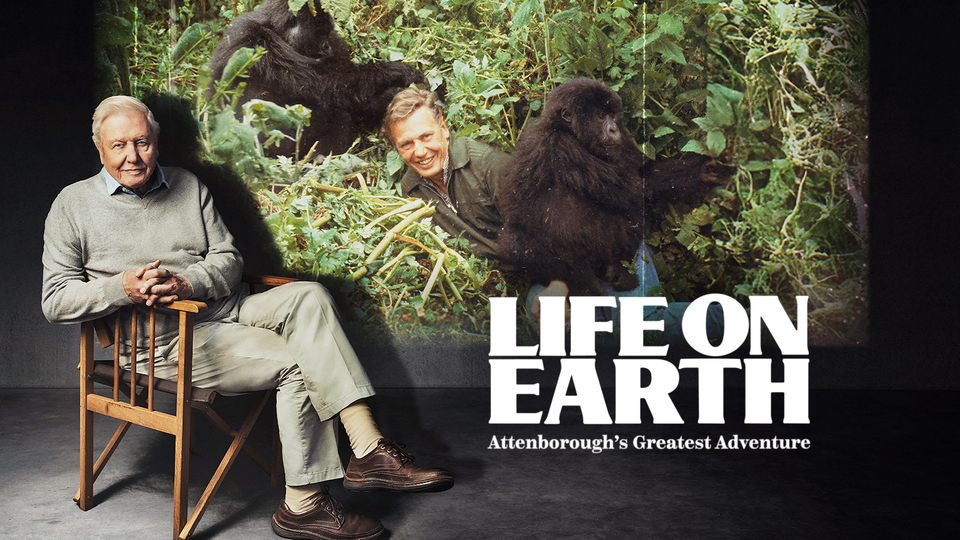
Sir David Attenborough blazed a trail through his groundbreaking 1979 opus Life on Earth. The 13-part documentary series, filmed over the course of three years, saw the naturalist explore 40 countries to document more than 600 species. Chronicling the history of life and the planet’s evolution from single-celled organisms onward, the production wasn’t without its challenges for his team as presented in the upcoming documentary Life on Earth: Attenborough’s Greatest Adventure coming to PBS.
The same network first aired Life on Earth back in 1982 where it became a global phenomenon. Premiering May 6 (two days before Attenborough’s 100th birthday), the new doc revisits the nature series that changed television and cemented Attenborough’s legacy as one of the most influential wildlife filmmakers. The project features exclusive new interviews with Attenborough and his original crew. In many ways Life on Earth was ahead of its time as the first series to combine cutting-edge camera technology and techniques, including time-lapse, microphotography, and filming speeds of up to 10,000 frames per second to capture animal movement in ways never seen before. It became the first natural history blockbuster that gave way to others within the genre in the decades that followed.
Here Mike Davis, executive producer, opens up about the making of the documentary and getting to know Attenborough.
David Attenborough- LIFE ON EARTH_ ATTENBOROUGH’S GREATEST ADVENTURE (BBC)
I know you’ve worked previously on projects with Sir David before. Talk about what it’s like working with him.
Mike Davis: I’ve been very lucky to have worked with him over the last 15 or so years…We’re now approaching his 100th birthday, you do kind of forget his age or there’s a different reference point for him in terms of age and what he’s capable of doing. So I was really lucky to work on a series about the Great Barrier Reef with him, and that was almost 15 years ago…In that series, he was on the reef, on the boat, in helicopters, and we even put him down in a submersible, and he went to the deepest part of the Great Barrier Reef, was in the tiny acrylic sphere for four hours. And in my early 50s, I would probably struggle with that. And at the time he was in his late 80s.
So, I guess my experience coming in, even though I’m aware of this kind of vast legacy. Life on Earth came out when I was very young, but he’s always been, particularly in the UK and I’m sure across the world, but always just been very present and always been active and always been involved. So to sort of join his journey when he was in his 80s, but for him still to be so active and so engaged as a storyteller and as a filmmaker. I’ve been lucky to then work on a few things with him, Natural History Museum Alive, David Attenborough meets President Obama, quite a few shows. So it’s really interesting now to get the chance to work with him as he was in his late 90s when we interviewed him for this film, Life on Earth: Attenborough’s Greatest Adventure.
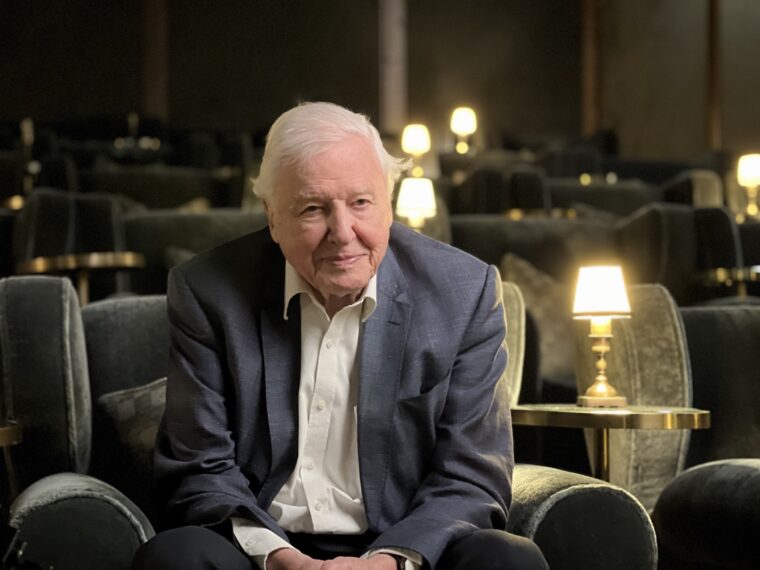
He remains very sort of undiminished in his passion. And I think what we tried to capture a little bit in Life on Earth, the film, is he is really good fun to spend time with, really funny, really self-deprecating. And I don’t think you often see that side of David Attenborough in the sort of landmark series, often doing a piece to camera, talking about animal behavior, still really relatable and entertaining. But what I really love in this most recent film is he comes in, sits down, instantly charms the audience. You lean forward because he’s so charismatic in his storytelling as he recollects the kind of experience. Certainly all the time I’ve known him, he just remains so fun and curious and excited about the subjects that he obviously is making the films and series about. So yeah, he has been brilliant to work with.
And as I say, I think what often isn’t revealed, but I hope we show a bit of in this film is his sense of humor. When he was watching this kind of footage, we used that as a way in the cinema to get him to watch some of Life on Earth and then instantly reflect. Obviously, a lot of the people that we’ve interviewed for this are in their sort of 70s, 80s or in their 90s. And so going back 50 years, their memories were amazing, but it did help to have kind of diaries or footage to look at. Often David would be making fun of himself on screen. “Oh, why is he saying that?”…That’s probably that authenticity and that passion and that kind of lack of taking himself too seriously has probably what’s kept him in such good stead for 70 odd years. I think he has remained consistently honest in the way that he presents himself to an audience. And I think that is part of the recipe of his success maybe.
What was the most poignant part of making this film?
All of the contributors got very emotional. David actually keeps his cards quite close to his chest. He wasn’t looking at himself and going, “Oh, those were wonderful times.” But there was definitely emotion and reflection. He definitely talks about the gorilla experience as being almost like a dream and saying how it changed his life and was a huge privilege. But evidently, looking back 50 years on the adventures you had, being your younger self, I’m sure was emotional. But certainly for the other crew members who are now in their 70s and 80s, probably the most emotional moment was when we took them back to the original offices…The Natural History Unit is still in Bristol, which is kind of an outlier of London in the Southwest of the UK. It’s where natural history has found its home in terms of filmmaking in the UK.
But when we took them back to the old offices that are now deserted where all of this took place, all of this started 50 years ago, they all got really upset and emotional in a very positive way because it kind of helped trigger memories and it helped to almost transport them back 50 years, took them back in time. But when you see their reaction, it’s like, “Oh, I remember. And I used to sit over there and David used to come through that door and we looked at the rushes there. And I remember when this happened and I was just standing but looking out the window,” . . . creating that space for them to kind of travel back in time to the 20-somethings that they were on this amazing journey to making this series, all of them were quite choked up to be there. I think it was very transformative for them.
So that was kind of a vital part of making this film more than just a retrospective documentary. We wanted it to be immersive and wanted to use them and their firsthand stories, but also the original source materials, David’s diaries and their old schedules and maps and so on. We really wanted to make it feel like you were seeing this series through their eyes rather than necessarily looking back. But there was definitely emotion when they were telling their stories. And I think it certainly helped to place them in the original environment where it all started.
For me, the thing so fascinating about it is watching all the things that are going on in the world at the time of the filming and the environments that he is in. I mean, at the beginning, it kind of sets the stage for it when you hear gunshots firing off while they are in Rwanda. And then the story with Saddam Hussein’s army in the hotel and then the danger element and feeling of potentially losing footage and things like that…It’s pretty incredible that this project continued to go on despite all that they may have been encountering, which could have been disastrous.
Yeah. And that’s so interesting you asked that because I’ve got to say, even though there were a whole bunch of reasons why this film got made, it’s an amazing series. I’ve always kind of looked at it and thought, that is a beautiful series and it’s so groundbreaking. It obviously is a lovely lens to look at David’s career because it’s kind of the moment where he was kind of launched onto the public stage. So there’s a bunch of reasons why it’s lovely to make a documentary 50 years on. But for me, the real hook was when you then start to dig into exactly the stories that you’ve identified. This was a time before the internet, before mobile phones, before … Well, global travel was still in its relative infancy. You’d write to Dian Fossey and her team, and it would take three weeks to get there and you’d hope that she’d get the letter and then she’d write back and you could turn up and she probably wasn’t even there.
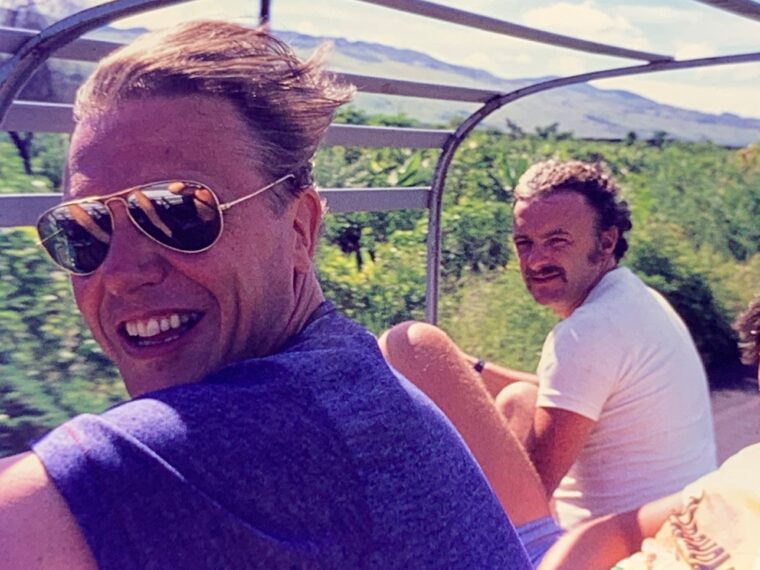
She was in another part of the rainforest. It was just so brilliantly scrappy and so, as you say, so much risk professionally, but also personally. But when I started to hear about them, those parts of the story of making it that perhaps haven’t been told before, I think everyone knows about the gorilla story in Rwanda, but you don’t often hear that their lives were at risk. Iraq, it was a really turbulent time in terms of geopolitics. So all of the adventure story elements of that really appealed. I was like, I don’t think that people will quite realize that they did all of this and they risked all of that to make this film across three years, to make this series across the three years.
But in answer to your original question, I don’t think any one of them said, “Do you know what? When we were with the lions filming the first lion hunt, we were really scared about the lion getting in the Land Rover. Or when there was the sandstorm and our passports were stolen,” . . . I think they do talk about slightly fearing for their lives, but they do it in a very…I think they’re almost so dedicated and so excited to be making the series. Of all the research I’ve done and all of the interviews we’ve done and all the looking through the materials, I don’t think there’s ever any moment that I’ve probably experienced on TV productions I’ve worked on where they’re like, actually, maybe we should call this off or perhaps we should rethink this. I think they were just very doggedly — and it was probably a very 1970s thing to do. They just pressed forward, determined to make it. I don’t think there was ever a lot of thinking about the danger.
I think they rushed to it because they were so passionate to tell the stories and so dedicated to the locations they knew they had to do that. But yeah, I’m not sure…There was a lot of fear. I think they were young and just gung-ho. And as an executive producer today that has to sign off risk assessments, and we send people to jungles and into the ocean, but I’m signing off risk assessments to talk about also how people might trip over the office chair in their office. And again, that’s brilliant. Risk assessments exist for a reason, but I think it was a very different health and safety outlook at that time. They all survived. But yeah, it definitely, when you look at it objectively, it feels pretty scary. But yeah, I don’t think there was a lot of taking stock. I think there was a lot of, “This is brilliant. Let’s do it. ” And into the breach.
David Attenborough and Martin Saunders- LIFE ON EARTH_ ATTENBOROUGH’S GREATEST ADVENTURE (BBC)
As he’s kind of reflecting and getting the chance at looking at the project and everything that went on with today’s lens, is there anything that he said he would’ve done differently or added on or any kind of aha moment for him as he’s watching the footage?
Yeah, that’s a good question. I know that fairly recently he updated the “Life on Earth” book. There are definitely things that he realized there are scientific ideas or kind of technological breakthroughs that slightly changed the way he would tell the story today. I think he kind of updated the book and touched upon things like we’ve read the genome now and have a greater understanding of genetics and how that plays a really important part in the tapestry of life and biodiversity and ecosystems and so on. Similarly, dinosaurs and the kind of relationship between dinosaurs and birds today and that evolutionary line. And there’s just been new ways of thinking. Things have gone in and out of fashion since then but you could still watch Life on Earth and it’s still a really thorough and nothing’s changed so dramatically in our understanding of evolution that you would not be able to watch it today, but certainly things have developed and evolved.
I’m sure he would want to fold in a lot of the kind of bigger scientific ideas and breakthroughs that we’ve seen since. He probably would approach it differently today. I think he’s still really proud of it. I think he still watches it with an enormous amount of pride. I’m sure he would still want to tell the stories as they are today. I mean, I’m sure he would love to go back and visit the gorilla population and see how it’s bounced back. And on the other hand, I’m sure he would love to revisit the Great Barrier Reef today and unfortunately see how much it’s been threatened by bleaching as a result of ocean acidification and warming ocean temperatures. So the earth has changed in many ways in 50 years. There’s definitely a Life on Earth Two that you could tell today that would be a revisit and you would revisit that story and incorporate all the new scientific thinking but tell the story of how all of those species are surviving in a more challenging or very different world today. So maybe that’s the gauntlet to throw down — a 13 one-hour remake of Life on Earth, but told from a 21st century perspective. I’d love to do that if anyone’s listening.
You’ve described David’s sense of humor and his dedication, but after you have made this documentary, what do you find unique about him?
Yeah, brilliant question. And it’s often something that we’re trying to put our finger on. It’s quite a famous story in the BBC offices in the late 1980s, all of the kind of senior management got round and they said, right, okay, David’s obviously going to be retiring soon, so who’s going to be his successor? And obviously here we are in 2026, and he’s still going strong. So there is obviously something unique about him. I think what is unique about David in relation to other presenters is he’s been on this life journey. So when he was born in 1926, it was the same year that television was invented or was innovated.
He’s been through the birth of black and white and color, and he’s seen the world change dramatically. When he was born, it was a third of the population of humans on earth, and it tripled…So there’s an enormous amount of change in that hundred years. And I think that’s baked into him as someone that has this amazing life experience and worldview that is shaped by having had that journey, I suppose. So that’s the sort of bigger, more profound answer, I suppose, is he’s lived through it and has a unique kind of journey through the natural world that is so informed by his experience over the decades. But my personal take is having seen him on the Barrier Reef, having worked with him for this film recently, and he’s obviously in his late nineties and still really enjoying what he’s doing and passionate about, so curious.
I know that he’s making a series right now as we speak that will be going out in three years’ time, and he’s still just as excited to do it. So I’ve worked with lots of people like David, lucky enough to work with someone like Stephen Hawking as well. And Stephen Hawking was very similar in that…Well, he far outlived what was expected of him in terms of his condition. And I could see that he was just so excited about going to New York the next day to talk at a lecture and then to read a new paper about physics and to…Did an amazing zero gravity kind of experience in a vomit comet, like constantly fascinated by what tomorrow would bring. And I think David is, without making a clumsy comparison, but David’s still going strong at 100 or almost 100 because I just see that he’s so passionate about wanting to keep telling stories about the natural world.
That sounds like a cliché, but he definitely would not be doing it. He would’ve retired a long time ago if he wasn’t genuinely so excited about new technologies. I’ve seen him embrace 3D and virtual reality and be excited about telling new stories like Green Planet that are about plant life and that new technology allows you to reveal the secrets of plants and trees. He genuinely has got so many projects on the go and so many people want him to come to talk at COP (Conference of the Parties) or to appear at Glastonbury or they want to pitch a new idea to him. And he genuinely just has a lust for life, and I just can’t see him stopping anytime soon. That genuine passion, you just can’t fake it. I think he just really is so excited about the programs he’s making and always has some new exciting projects.
I feel like that is what keeps him going and that genuine passion is something that is that kind of, that’s the secret sauce that I think audiences can relate to. I just think they would see through that, that sense of humor and that kind of excitement I think is unstoppable, but impossible to fabricate. It’s entirely genuine and authentic.
David Attenborough- LIFE ON EARTH_ ATTENBOROUGH’S LIFE ON EARTH (BBC)
What do you hope audiences will take from watching this film?
I hope they enjoy it. I mean, I really hope my teenagers watch it. They’re obviously very much hooked to their own technology and looking at screens all the time and have short attention spans, as I’m sure a lot of their generation do. But they have a genuine passion and excitement for this kind of other world where there wasn’t any Google to ask any questions or pick up your mobile phone or TikTok or whatever. I think they love me playing my records on vinyl and it’s like I would not have predicted that or they like reading physical books. I say that mainly because I think what you might get from this is a wonderful portal to a slightly more innocent and different world only a few decades ago where traveling the world and telling these stories was just a hugely different and kind of exotic endeavor.
So I don’t know, I’ve always kind of thought, I wonder how a younger audience will see this. I wonder whether it will slightly obviously turn them on and get them excited about the natural world, but also be kind of fascinated by the kind of social history and the adventure story of how you make a series 50 years ago and how you travel the world and how you have to innovate to capture animal behavior and so on.
My feeling is that there’s so much more to this film than just a portrait of David Attenborough and/or an amazing series that was made 50 years ago. I think it also is a lovely window to a vanished world as well, a kind of an analog world. And as you said, Scott, it was a very challenging and scary world to navigate through without the ability to be pulled out of those situations, but it feels like almost a different time that I think will become … It is interesting and fascinating and exotic for audiences who probably didn’t live through it. I was five when it came out. I just about remember flares and smoking on planes and I was able to remember filming on film stock, 60 millimeter and 35 millimeter at the beginning of my career.
But again, it’s kind of like all film crews can be medevacked out of rainforests and you’ve got satellite phones and you can email and do Zooms from the middle of the Amazon. It’s still difficult to make a natural history series, but it was infinitely more difficult then. And I think this is a lovely kind of way of reliving that, hopefully.
Do we know how he’s celebrating his 100th birthday? I mean, is he having a big party?

So it’s in the public domain. It’s been announced, but we really hope that he will be at the Royal Albert Hall on his 100th birthday. There is a big party being thrown for him that’s also being televised live on BBC. So there is a big celebration. One hopes that he will be well enough to attend, but it’s very much in his honor and we would love for him to be there. So I don’t know what he’s going to be doing during his day, but on the evening of his hundredth birthday, there is a seat for him at the Royal Albert Hall and we are going to put on one hell of a show for him. We’re going to have presenters, we’re going to have music, it’s going to be a real celebration of his hundred years. So that’s one thing that we would love to schedule.
Well, we have scheduled, it’s happening, but we would love for him to enjoy that. So that’s at least two hours that I hope will be enormous fun for him on his birthday. And that’s Friday the 8th of May.
Life on Earth: Attenborough’s Greatest Adventure premiere, May 6, 8/7c, PBS

 Watchlist Easy access to only the shows you care about — all in one simple place
 Alerts Only important notifications — when a show is returning, when it becomes available to stream, and more.
 Special Offers Exclusive products we release related to your favorite shows and streaming services