
‘Little Disasters’ Author Breaks Down the Biggest Book-to-Screen Changes



Exclusive
What To Know
- Little Disasters author Sarah Vaughan breaks down key differences between the Paramount+ show and her book.
- The author explains why she approved of those changes.
[Warning: The following post contains MAJOR spoilers for Little Disasters.]
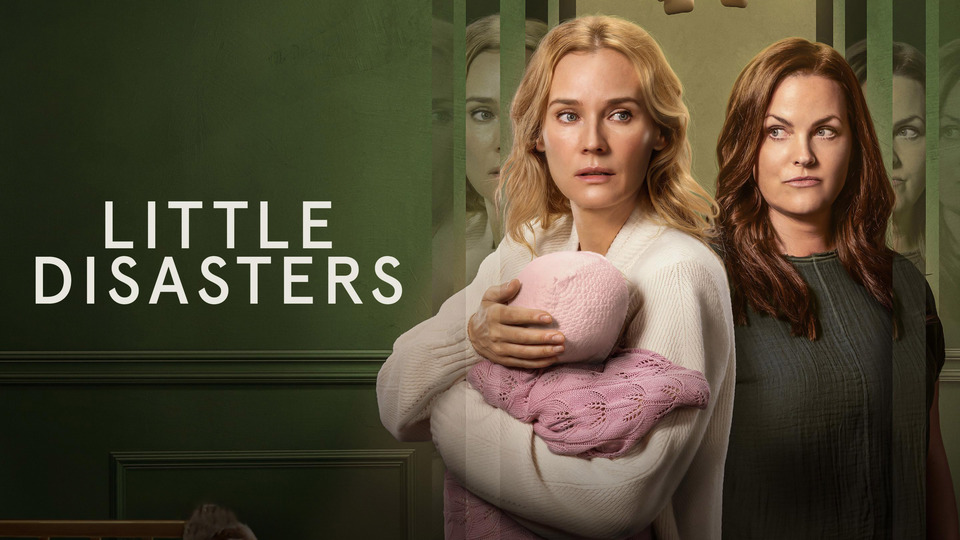
Much of the story in the new Paramount+ thriller Little Disasters is drawn straight from Sarah Vaughan‘s bestselling novel of the same name, but there are some key changes to be found — particularly when it comes to the ending.
“I kind of think I’m quite a control freak, but I find it quite liberating that a book has a different life in a show,” Vaughn told TV Insider of seeing her story adapted to the screen with adjustments to the narrative. (It’s not her first time, of course; she was also the author behind Anatomy of a Scandal, which was adapted for Netflix.)
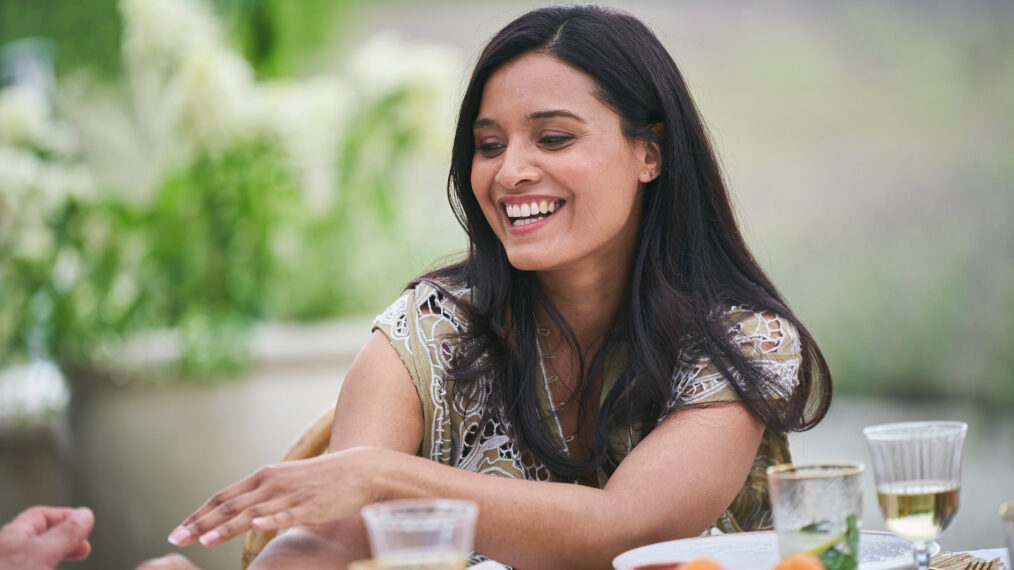
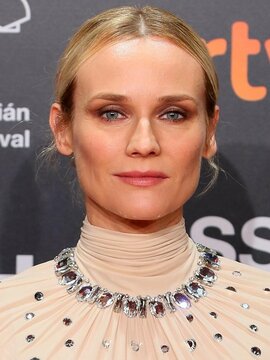
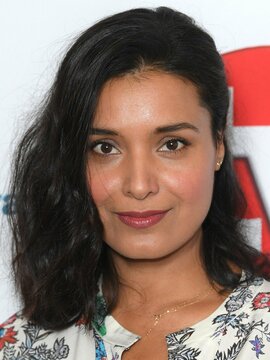
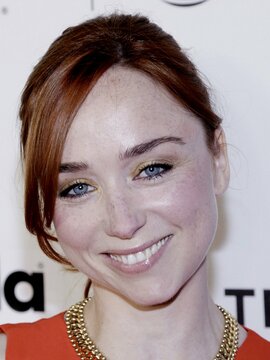
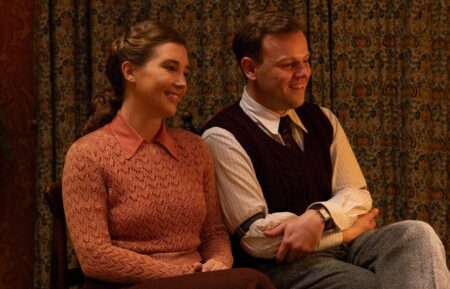
The biggest difference? That’d be the real perpetrator of the accident that caused baby Betsey’s injury. In the book, it was Charlotte (portrayed by Shelley Conn in the series), but in this iteration, it’s Rob (Stephen Campbell Moore), a character who is married to Mel (Emily Taaffe) instead of Jess (Diane Kruger). For Vaughn, this change came early in the adaptation process and made perfect sense.
“The very first Zoom I had in August 2020 with the producers, it was a competitive environment, and [there was] more than one team who wanted to buy the book. They said, ‘We want to make Rob the guy who turns up, but not Charlotte.’ And the thinking was that — which I kind of agree with — it’s particularly difficult to accept that a mother, another woman, would behave in the way that Rob does. There’s a great line in Episode 6: ‘I mean, I’m a bit of a dick, but I’m not a monster.’ And, actually, we’ve all known guys a bit like Rob, who are a bit of a dick but not a monster. And that’s the nature of accidents, that they happen to, not monsters, but all of us… So it made more sense to have Rob as that character.”
Vaughan also reasoned that because Charlotte is presented on-screen as a “much sexier character,” the effect of having her be the person responsible for the accident — and the one to threaten little Frankie into silence about it — would have also been problematic.
“In the book, she’s the really intellectual one. She feels a bit clunky. There’s a line where she says Andrew calls her ‘a handsome woman, whereas Jess is beautiful and dainty,’ and she’s always held a candle for Ed. They have a sort of drunken snog but nothing more. … There’s none of these scenes in getting drunk in wine bars and flirting with him, and propositioning him,” Vaughan explained. “We felt that if we made Charlotte both the femme fatale and the one who leaves this baby, that would just make her too monstrous. And I think the viewer would also be very critical with another woman by behaving like that.”
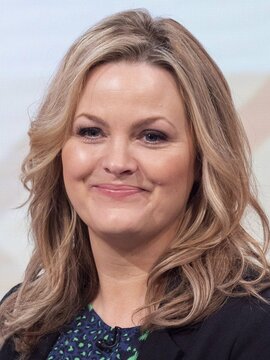
Another big change is the removal of the backstory for Liz (Jo Joyner) and her mother, who was a neglectful alcoholic, and that scene was one Vaughan even considered removing from the book.
Paramount+
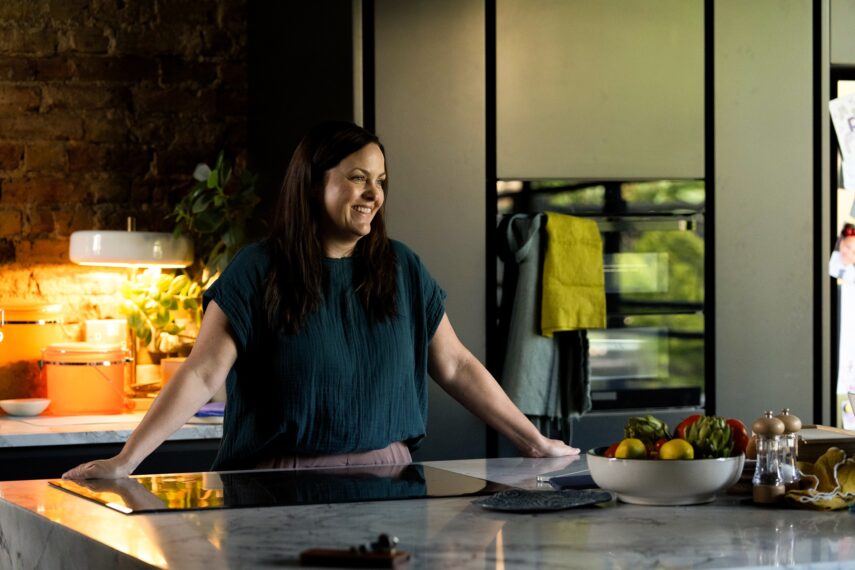
“When I was writing the book, just before I finished the edits, there’s a story … of Liz’s own story. It’s in the 1980s, and it’s her mother’s parenting. And just before I filed the story, I kind of said to my editor, ‘Do you know what? I just wonder if this is too dark. I don’t think we should have this in it.’ And she was like, ‘Too late now, we’ve gotta file the book.’ And it involves a dead baby. And actually, when you’re making a show, that is actually a taboo that we could go there. And I think that’s completely right. And what we did instead — not me, but the script writers, I gave notes on it — was to flesh out the quartet. So in the book, it’s very much Jess and Liz, but these other two women, Mel and Charlotte, become much bigger characters.”
“We just didn’t need it,” Vaughan ultimately concluded of the ’80s-set backstory. “I was trying to show that, ideally, we’re more understanding about mental health in the present day than we were in the ’80s, and that there’s more support. But we didn’t need that.”
She also enjoyed the narrative structure element of having the supporting characters speak directly to the camera, docuseries-style, with the finale revealing they were speaking to the social worker in Betsey’s case.
“It was a way of conveying the judgment that they’re all making about each other. It was quite an official way about that, and also about driving through the story … giving insight as well into different characters and their relationships — the fact that they’ve known each other for a decade, so they could allude back to that. In fact, we ended up going through the book, and in the book, there’s a lot that sort of in the inner consciousness, and several of those lines were kind of pulled out from the book, actually, and then just given to characters, at the end, to sort of weave it all together. I mean, it was always devised from the start, but we then sort of added more and took some away, and things like that,” she said. “I think it makes sense when you realize, at the end, that they’re all talking to the social worker. And it also enables Jess to explain what perinatal OCD is … because before that point, Liz has been saying, ‘How’s the therapy going?’ But Jess hasn’t been able to sort of speak honestly about it until that point.”
Ultimately, for Vaughan, the most important thing was “they were faithful to not sensationalizing the theme of perinatal OCD,” and she was happy with the results of what the writers came up with.
Little Disasters, Streaming Now, Paramount+







 Watchlist Easy access to only the shows you care about — all in one simple place
 Alerts Only important notifications — when a show is returning, when it becomes available to stream, and more.
 Special Offers Exclusive products we release related to your favorite shows and streaming services