
‘SCTV: The Greatest Show You’ve Never Heard Of’: 9 Biggest Revelations From Netflix’s Documentary


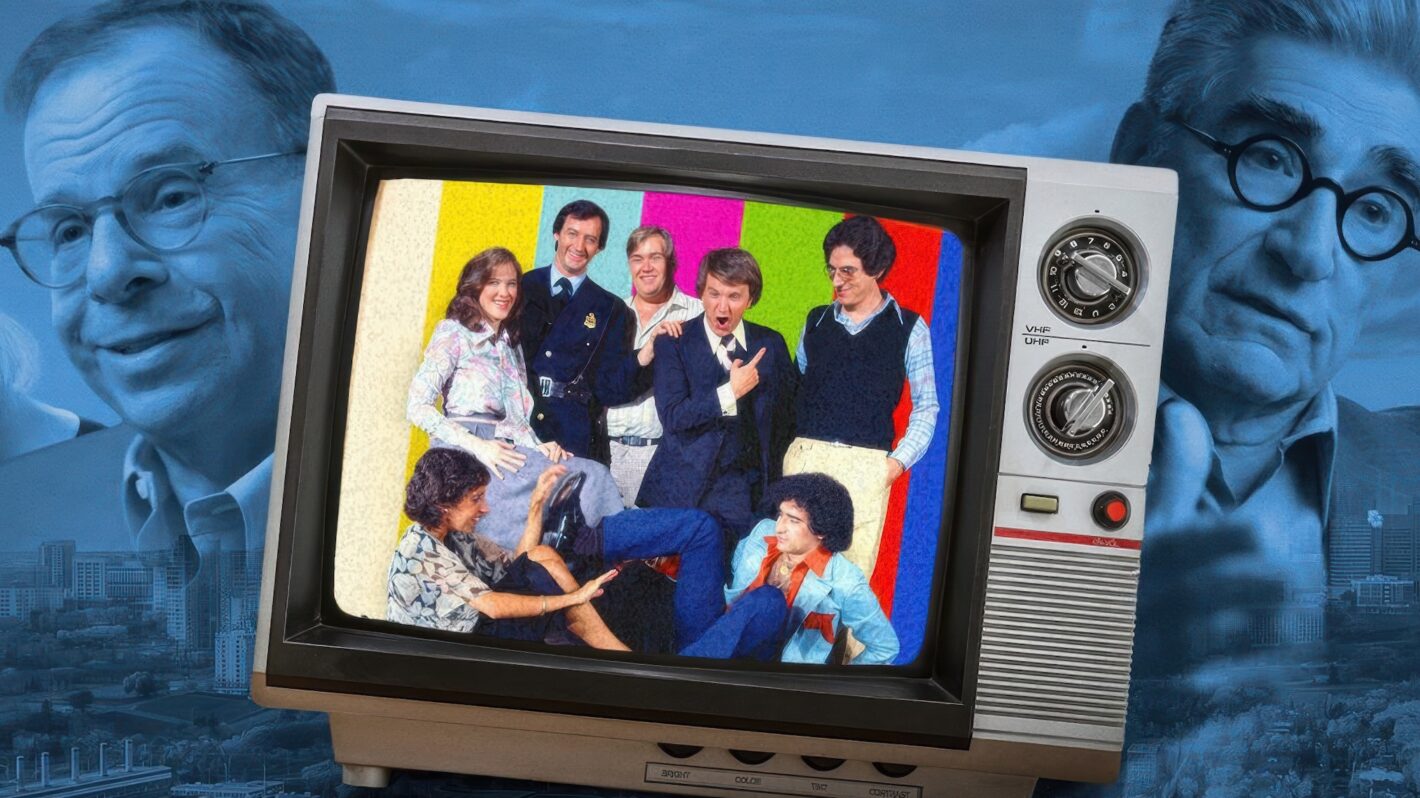
Long before John Candy, Eugene Levy, Joe Flaherty, Catherine O’Hara, Martin Short, Andrea Martin and Rick Moranis became comedy legends, they were part of a scrappy Canadian sketch comedy show with a shoestring budget, terrible sets, and absolutely no idea what they were doing. Somehow, they managed to create one of the most influential comedy shows in television history.
Netflix’s SCTV: The Greatest Show You’ve Never Heard Of takes a hilarious and surprisingly emotional look back at the groundbreaking series that launched some of comedy’s biggest careers.
Through interviews with the cast and the people who helped bring the fictional television station to life, the documentary reveals how a group of Second City performers turned a low-budget Canadian production into a cult phenomenon that attracted fans like Steven Spielberg and forever changed television comedy.
From John Candy’s disastrous Saturday Night Live audition to the unlikely origins of Bob and Doug McKenzie, here are some of the biggest revelations from Netflix’s SCTV: The Greatest Show You’ve Never Heard Of.
SCTV: The Greatest Show You’ve Never Heard Of, October 30, Netflix
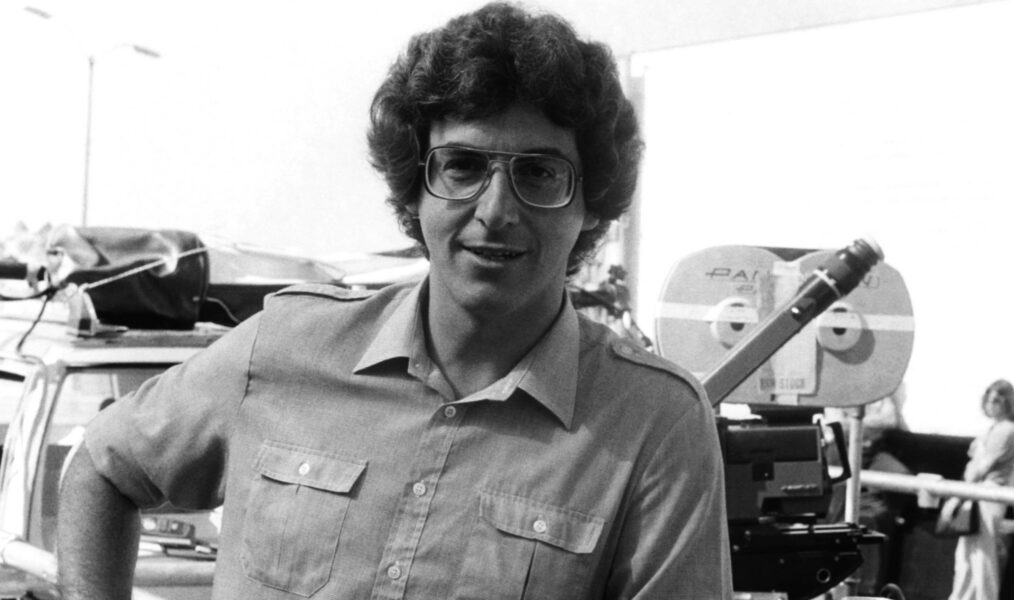
The first season had no writers
“In the first season, we had no writers on the show,” recalled Eugene Levy. “We had no idea what writing for television was.”
Coming from an improv theater background, the cast wasn’t accustomed to working with television scripts. In fact, nobody really knew what they were doing. That changed when Harold Ramis was brought in as head writer to give the show some much-needed structure.
Ramis quickly became the gold standard for the rest of the team. His comedic instincts were so sharp that the cast and writers were in awe of him. From that point forward, anyone who wrote anything for SCTV had one goal in mind: Impress Ramis.
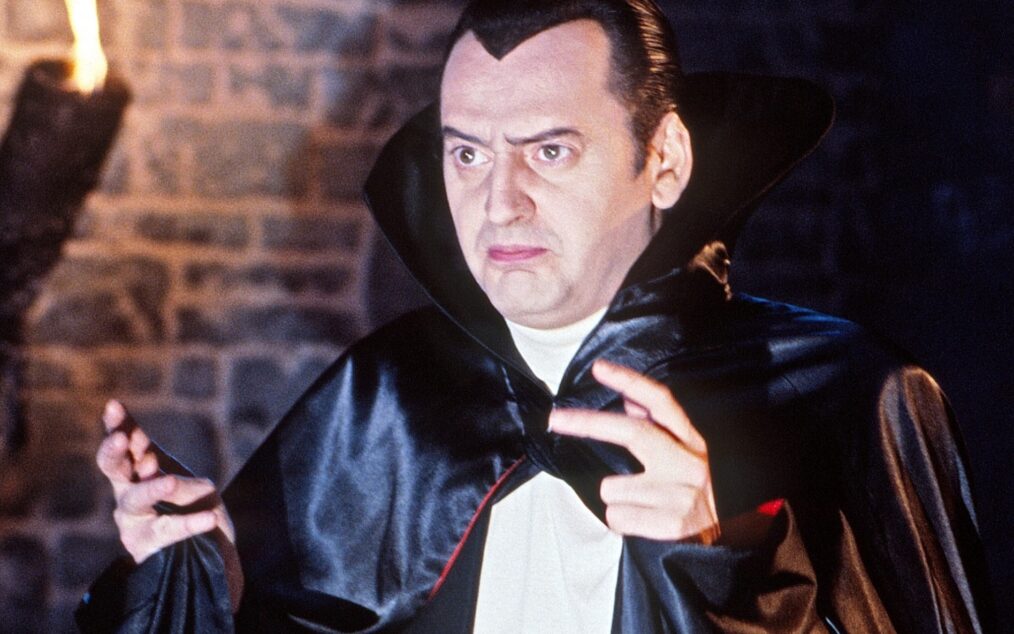
The budget was just $7,000 per episode in the early seasons
With a budget of just $7,000 per episode (if that) in the early seasons, SCTV wasn’t exactly swimming in cash. “This is not per person,” explained Eugene Levy. “The entire budget of the show was $7,0000.” Filmed at Global Television, which primarily produced news and talk shows, the sets were terrible and the costumes makeshift, but the comedy was amazing. Rather than fight it, the cast embraced the cheap, public access look, forcing them to make their parodies even sharper.
With a small staff churning out tons of material, the writing got increasingly bizarre and experimental, leading to sketches about a woman raised by geese and an S&M version of Wonder Woman.

Before Second City, Catherine O'Hara was a waitress
Before becoming one of SCTV‘s biggest stars, Catherine O’Hara was better known to the cast as their regular waitress. She got her start at Second City waiting tables and working coat check while watching the performers onstage. Eventually, she auditioned for the troupe, became Gilda Radner‘s understudy, and joined the cast before finding fame on SCTV.
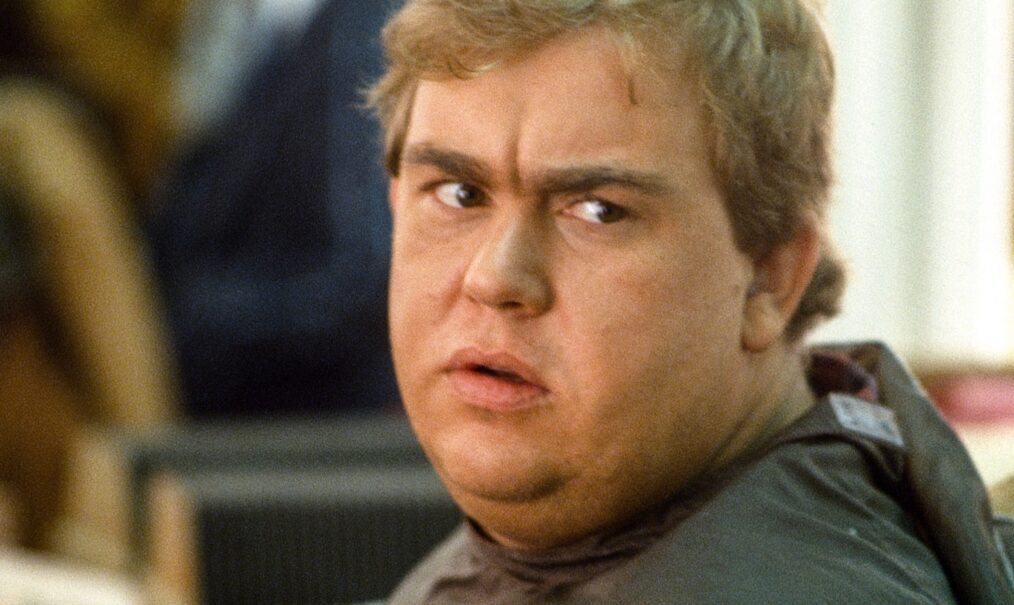
SNL harshly rejected John Candy
When SCTV went on hiatus after Season 2, Saturday Night Live creator Lorne Michaels invited John Candy, Dave Thomas, and Joe Flaherty to audition. Unlike the warmer, almost cozy atmosphere of SCTV, SNL was a bigger production with a culture described as “darker.” But it was also the big time.
Unfortunately, Michaels was not impressed by anyone’s audition that day. According to the players, they were reportedly told by Michaels, “Don’t give up your day job.” The rejection stung Candy deeply, but he soon returned “home” when SCTV resumed production in Edmonton.
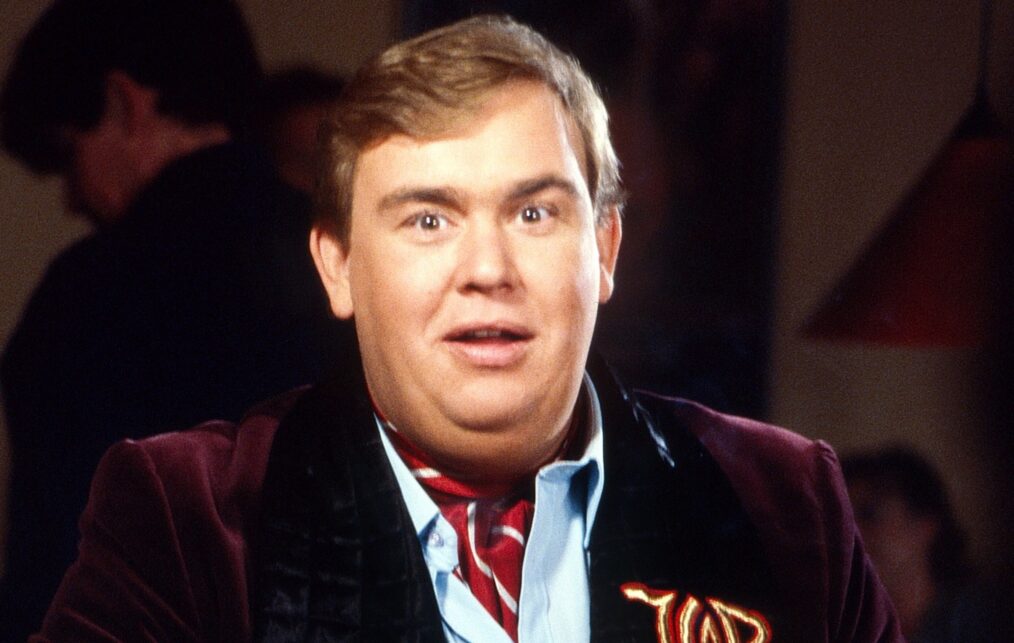
SCTV didn't know it was a hit until Steven Spielberg came calling
The cast of SCTV was so busy entertaining themselves that they had no idea anyone was actually watching. That changed when they traveled to California to follow Harold Ramis on a job and threw a party at their rented house. Among the guests were Chevy Chase and Steven Spielberg, who specifically wanted to meet John Candy. It was only then that the cast realized people not only knew who they were but were actually fans of the show.
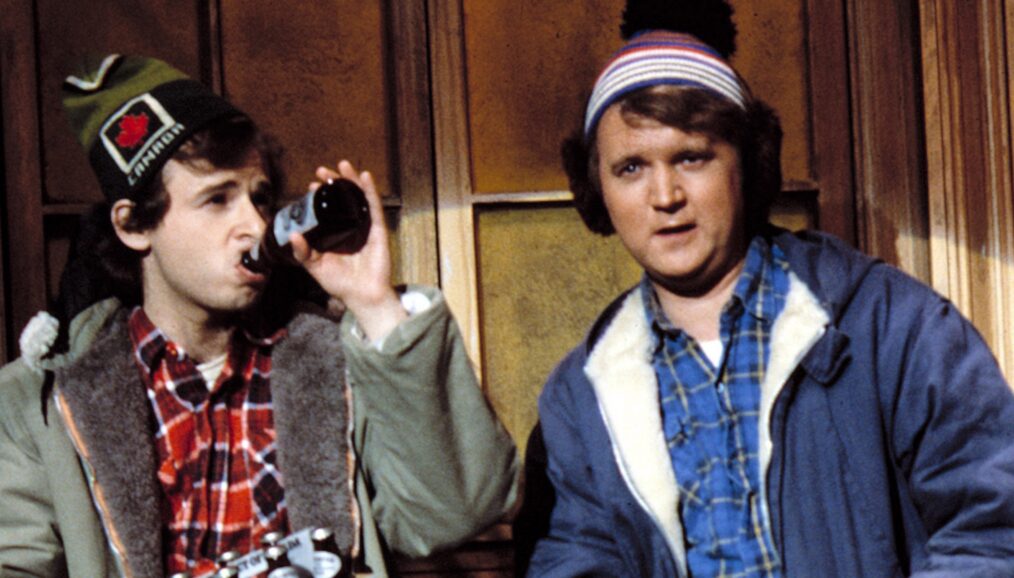
Bob and Doug McKenzie were created due to government regulations
Despite being a Canadian production featuring a mostly Canadian cast, SCTV was told it needed more Canadian content to satisfy government regulations. According to producer Andrew Alexander, the request was ridiculous. Rick Moranis jokingly suggested they sit in front of a map wearing tuques and parkas, drinking beer, frying back bacon and talking like hosers. The response? “Yeah, OK.”
And just like that, Bob and Doug McKenzie were born. The sketches were entirely improvised, done as a joke to satisfy a government requirement, with no planned topics, and even their iconic callout (“Do do do do do do do do!”) was simply a stalling technique. Somehow, the characters caught on like wildfire.
“To this day I don’t know why,” admitted Moranis.
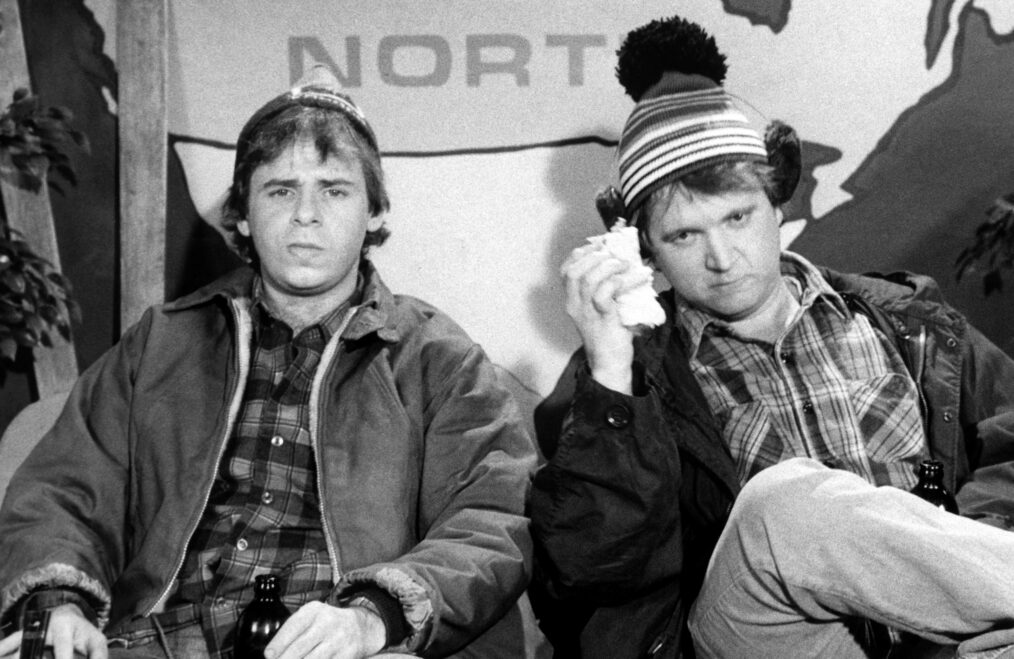
The McKenzie Brothers became so famous it caused a rift within the cast
Bob and Doug McKenzie became an overnight sensation, following their SCTV fanfare with a hit comedy album, The Great White North, which featured Rush frontman Geddy Lee on the song “Take Off.” Their popularity led to appearances on Late Night with David Letterman and even hosting Saturday Night Live.
However, not everyone at SCTV was thrilled with their success. As Dave Thomas and Rick Moranis enjoyed their newfound fame, complete with fancy new cars, resentment began brewing behind the scenes. John Candy reportedly believed Thomas was using his position as head writer to give the McKenzie Brothers preferential treatment, while other cast members felt the duo had developed attitudes. The tension eventually became so intense that Thomas stepped down as head writer.
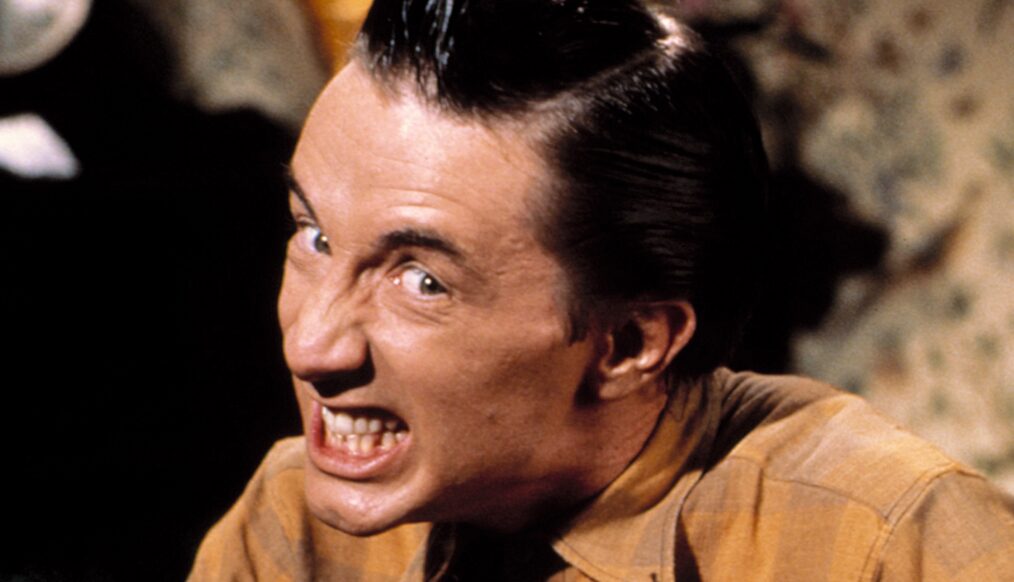
Martin Short was brought in to replace Rick Moranis and Dave Thomas
When Rick Moranis and Dave Thomas departed SCTV, Martin Short was brought in to help fill the void. Having known him when they all starred in the stage production of Godspell days before SCTV, the cast already considered him family. Short brought a new energy to the show with sketches like the Queen Haters. “It was just what we needed at the time,” recalled Joe Flaherty.
According to Catherine O’Hara, Short’s comedy was so physical that his sketches rarely worked during table reads. You simply had to “give them the benefit of the doubt” until you saw him perform.
SCTV didn't hear its first audience laugh until the Emmys
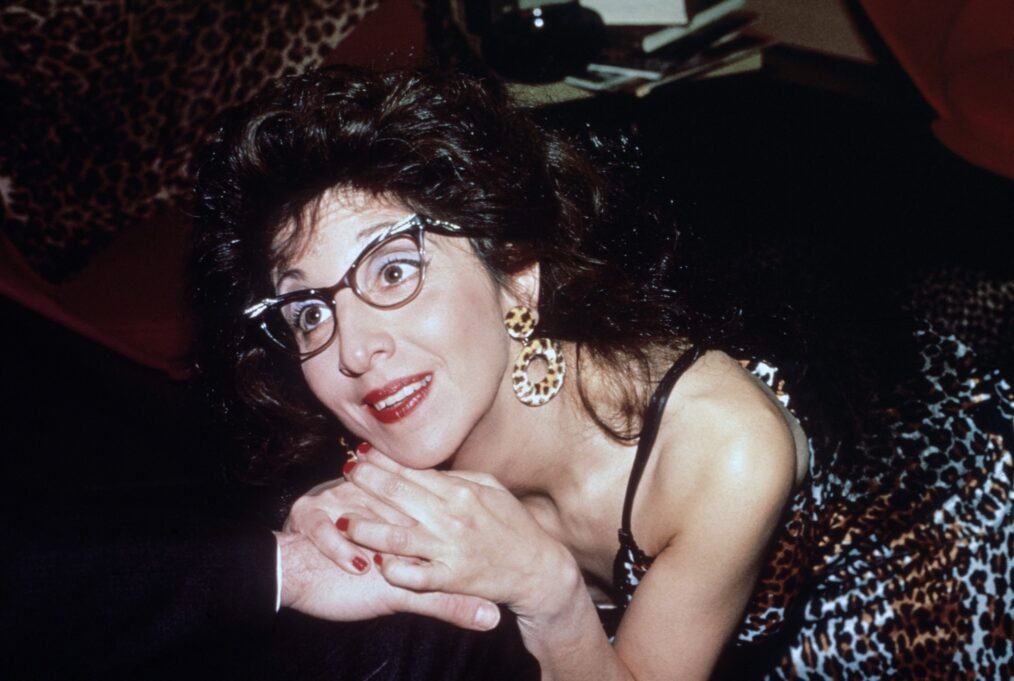
Unlike most sketch comedy shows, SCTV was filmed without a studio audience, so the cast never knew how their jokes landed. An emotional Andrea Martin recalled the first time they actually heard people laughing at their work. It happened at the Emmys, when a clip from the show played for the audience during the nominations. The moment was especially meaningful because SCTV went on to win the 1982 Emmy for writing in a Variety or Music Program.
Conversation
Please read the TV Insider Community Guidelines.
Register or sign in to join the conversation.