
‘Blade Runner 2099’ Ending Explained: Who Lives, Who Dies & What Happens to Olwen and Cora?


Exclusive

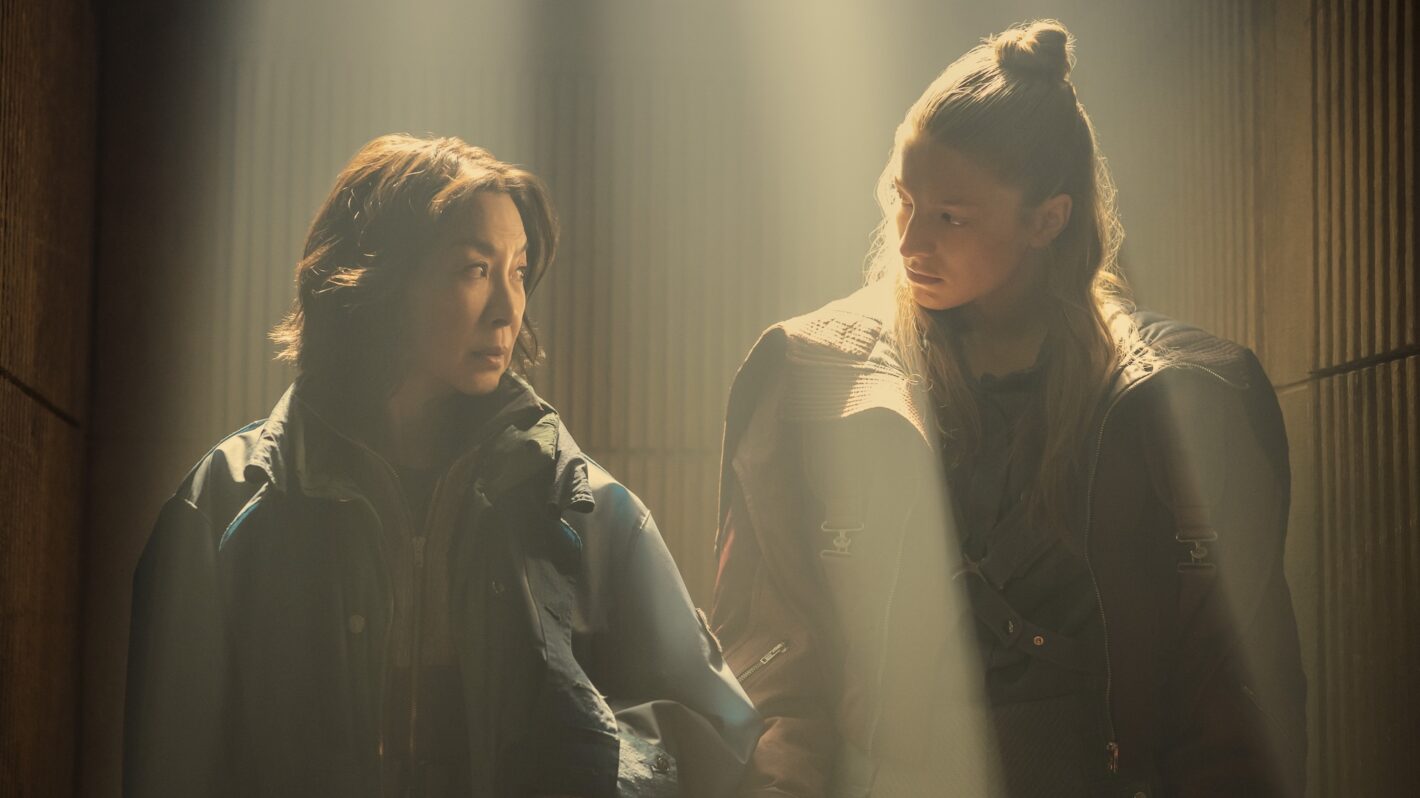
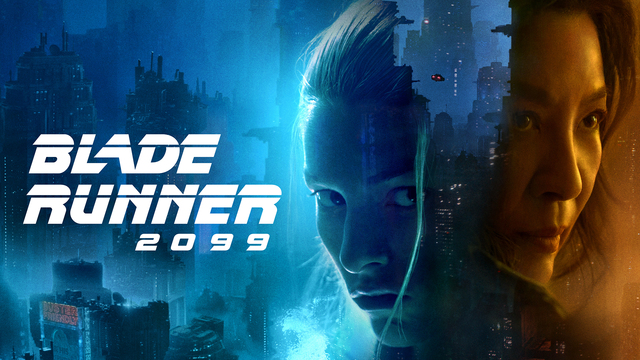
The Blade Runner 2099 finale brings the battle for the future of humanity and replicants to a dramatic conclusion, with long-buried secrets and a few unexpected second chances. But while some characters find their freedom, others are preparing for a war that could change Los Angeles forever.
For Olwen (Michelle Yeoh) and Cora (Hunter Schafer), a final confrontation with Nexus-1 replicant Julius (Sam C. Wilson) forces them to confront everything they thought they knew about what it means to be human, while Elias (Lewis Gribben) and Bebeto (Dimitri Abold) face decisions that could determine the future of both species.
So, who survives, who dies, and what does the ending mean for the Blade Runner universe? We’re breaking down the finale, including what happens to each character and what executive producer Andrew Kosove and showrunner Silka Luisa have to say about the future of the franchise. Warning: Spoilers ahead for the Blade Runner 2099 finale.
Prime Video/YouTube
What was the central mystery of the series?
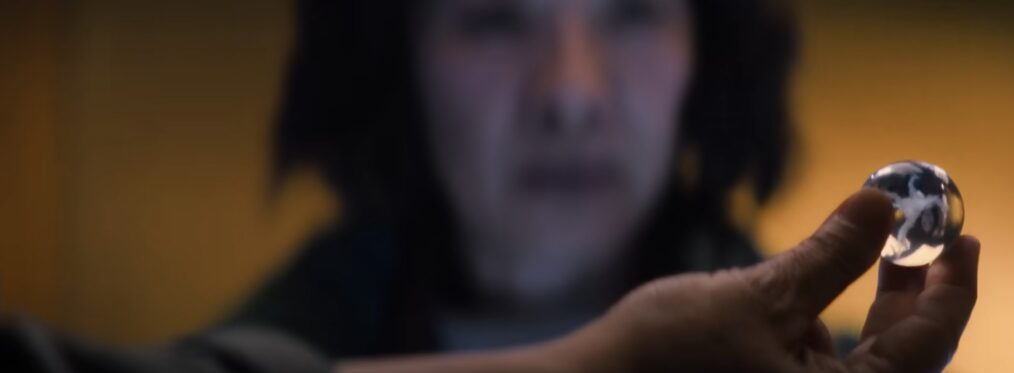
The mysterious item everyone is searching for, the one Merak steals and Cora needs to trade for visas, turns out to be a memory orb belonging to Dr. Eldon Tyrell (Joe Turkel), founder and CEO of the Tyrell Corporation in Ridley Scott‘s original Blade Runner.
The memory is believed to contain the secret to everlasting life for replicants, and in a way, it does. The recording captures the birth of the first two replicants, Helena (Sheila Atim) and Julius, while the technology visible in the background holds the key to creating replicants with longer lifespans.
What happened to Olwen?
Olwen gets what Roy Batty spent his final moments fighting for in the original Blade Runner: More life.
After discovering that Nexus-1 Julius has destroyed the replicant birthing center – the original Tyrell Corporation from the first Blade Runner film — and is creating a new generation of Nexus-1 replicants, Olwen and Cora confront him at the abandoned Tyrell launch complex. Julius destroys Tyrell’s memory containing the secrets of the original Nexus-1 design, leaving himself as the only person who knows how to reproduce it. Or so he thinks.

Prime Video/YouTube
During their final confrontation, Olwen shoots Julius in the knees before delivering a fitting rejection of his vision for the future: “I’ve made so many worlds. I don’t want to live in yours.” She then shoots him in the head, ending his plans to control the next generation of replicants.
However, Olwen’s story doesn’t end with her approaching expiration date. The finale reveals that she has been reborn as a Nexus-1, as Julius’s replicant Girl Friday, Clotilde (Amy Lennox), knows the secret from aiding him.
In the closing moments of the series, Olwen returns to the stars, where she was once happiest.
What happened to Cora?
Cora survives her confrontation with Julius, but her greatest transformation comes from discovering that Helena, the woman who raised her and Elias as her own children, was actually a Nexus-1 replicant.
After spending her life despising replicants and running from them, Cora learns that the person who showed her the most love and compassion was one of them. The revelation forces her to reconsider everything she believed about the divide between humans and replicants.
After Olwen kills Julius, Cora returns to the LAPD and undergoes another Index test with the child Greta (Katelyn Rose Downey), the young girl responsible for identifying human emotions in replicants. This time, Cora turns the questions on her examiner, recognizing that Greta is a human child conditioned to suppress her own empathy.
Cora sees something of herself in Greta, a child robbed of her humanity by a society that has taught her to reject compassion. Greta still remembers being loved by her family, even if she has forgotten how to express it. When Cora fails her Index test, Greta chooses to protect her rather than expose her.
In the end, Greta becomes a reflection of Cora’s own broken childhood, and their exchange demonstrates that humanity is defined by empathy, not whether someone is born or created.

Prime Video
The finale leaves Cora’s immediate future open, with her identity as a human still concealed and her relationship with Olwen having challenged everything she once believed about replicants.
“I think the idea that you could have received love and comfort, and safety from a replicant teaches you that they’re not all the same,” explains showrunner Silka Louisa. “Like so many of us, when you get to a certain age, you discover something about your parent that helps reframe how you see them, how you see yourself, how you see the world operating, and maybe giving people a little bit more grace. And I think for Cora, because she’s also been on this journey with Olwen, who she’s seen more sides of, and has more empathy for.”
Louisa adds, “It’s like the combination of both those experiences makes her in a really different position than Elias, who has been drifting in the opposite direction.”
What happened to Elias?
Elias takes a far more radical path than his sister. Although Cora comes to understand that humanity and replicants are not so different, Elias remains determined to fight back against the society that has oppressed them.
After learning that Helena was a replicant, Elias refuses to accept Cora’s newfound sympathy. He believes the secret behind the Nexus-1 design could provide humanity with the means to destroy replicants altogether.
Prime Video/YouTube
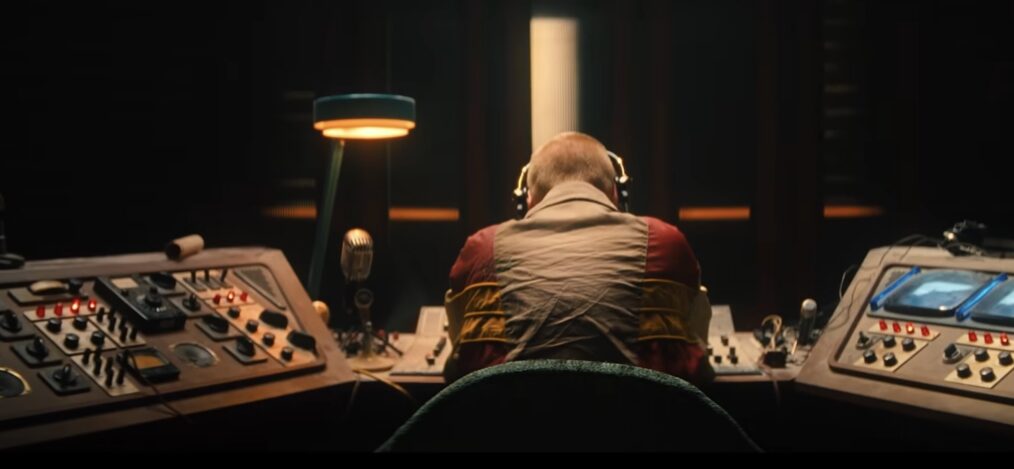
In the finale, Elias returns to the car Cora left him and begins broadcasting a message across Los Angeles. He takes responsibility for destroying the replicant birthing center, even though Julius was responsible, and declares that humanity’s fight is far from over.
His broadcast is both a confession and a call to resistance, inviting other humans to stand against their replicant rulers.
What happened to Bebeto?
Bebeto spends much of the series helping Cora and Elias survive, providing false identities, medical assistance, and a possible escape from Los Angeles.
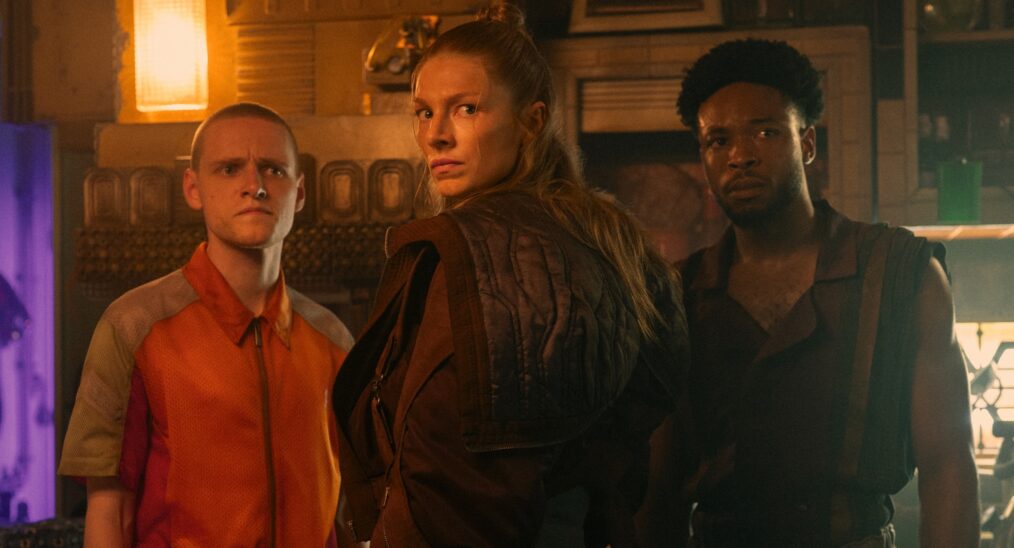
In the finale, he accompanies Elias to find Ray (Juan Pablo Schuk), hoping to secure their future. Instead, they discover that Ray is working for the surviving Tyrell Corporation, which has been secretly positioning itself to reclaim control over replicant technology. They have been attempting to reclaim Tyrell’s lost memory throughout the series for this reason.
Ray offers Bebeto an opportunity to improve his own circumstances by replacing him as Tyrell’s representative in Los Angeles. But there is a catch: Bebeto must betray all he believes. The offer puts Bebeto in the position of choosing between protecting the people he cares about and securing a better life for himself.
Clay Enos/Prime Video
What happened to society?
Like all Blade Runner films, the endings are open to interpretation for the most part. While some characters get definitive endings, others are open to allow the lore to grow. In this case, humanity faces a turning point. Elias’s broadcast threatens to reignite the rebellion against replicant rule, even as Cora’s experiences suggest that coexistence might still be possible.
The finale ultimately presents three competing visions for the future: Julius’s dream of replicant supremacy, Tyrell’s desire to regain control over its creations, and Elias’s determination to restore humanity’s power.

The central irony is that replicants overthrew humanity to escape enslavement, only to create a society built on the same oppression they once endured. And with both sides preparing to fight for control, the cycle threatens to begin again.
“I think part of the lure of Blade Runner is it always leaves you with open-ended questions, both the original film in 2049, and we want this to leave people with some open-ended questions as well, just in the context of a self-contained limited series,” explained exec producer Andrew Kosove. “Our goal is always to open up as many new story spokes as possible. And one of the other benefits of leaving it open-ended is, yeah, we’ve got more story to tell in this particular timeline, in addition to all the other places in the canon we could go in the future in television, in film, in interactive, in stage, etc. And so, we’re excited for what will come next.”
“This is a limited series, so this is a one-time thing, unless the fans clamor loud enough, and then maybe we’ll continue this, but that’s between us and our friends at Amazon. But whether it’s this series or it’s something different in the canon, we’re never going to proliferate Blade Runner, frankly, the way some of the other IP is proliferated, where you’ve got five different versions going at the same time. We’re very selective in what we do. But at some point in the future, there will be the next iteration of Blade Runner. You can be sure of it.”
Blade Runner 2099, Now Streaming, Prime Video




Conversation
Please read the TV Insider Community Guidelines.
Register or sign in to join the conversation.