
‘Blade Runner 2099’: What You Need to Remember About the Films Before Watching



It’s been nearly 50 years since Ridley Scott first introduced audiences to the dark, futuristic world of Blade Runner, and the franchise is heading even further into the future with Prime Video’s Blade Runner 2099.
Set 50 years after the events of Blade Runner 2049, the new series picks up in a Los Angeles where humans are no longer calling the shots. Following years of growing tensions between humans and replicants, an all-out war has taken place, and humanity lost. Now, replicants are in control of the city, while humans have become second-class citizens. The story follows Cora (Hunter Schafer), a human fugitive who joins forces with Olwen (Michelle Yeoh), a replicant Blade Runner nearing the end of her life, as the two become entangled in a conspiracy that could change the future.
So how did we get here? From the rise and fall of the Tyrell Corporation to the evolution of replicants and the revelations that helped set the stage for a rebellion, there’s plenty of history to catch up on. Whether you’re new to the franchise or need a refresher on the original films, here’s everything you need to remember before Blade Runner 2099.
Blade Runner 2099, Series Premiere, November 25, Prime Video

What is a Blade Runner?
Traditionally, a Blade Runner is a detective tasked with tracking down and killing rogue replicants who have escaped. Known as “retiring,” these killings are perfectly legal because replicants are considered property rather than people, so technically, it’s not murder.
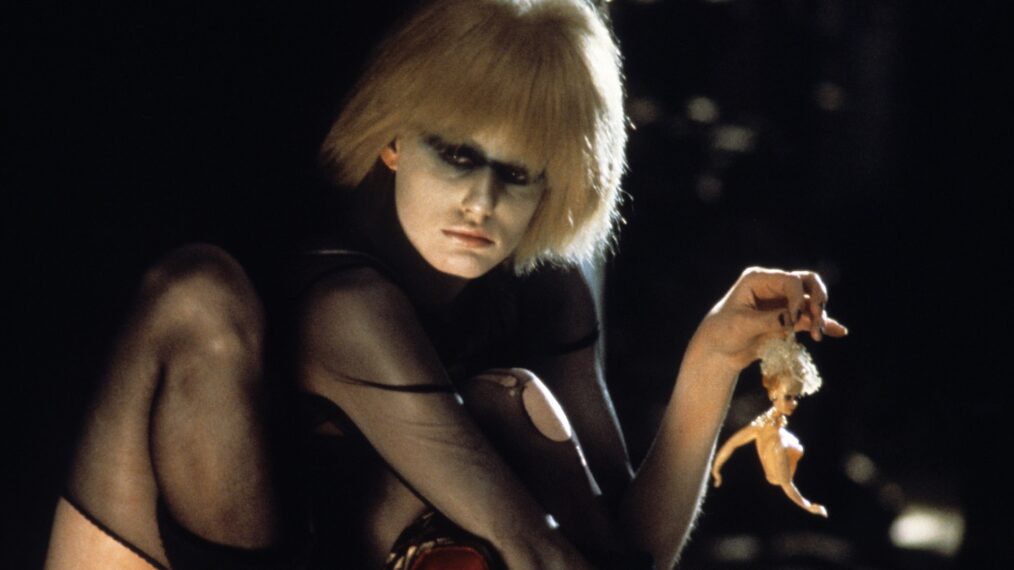
What are Replicants?
Created by the Tyrell Corporation, replicants are artificial humans grown in labs and designed to work as slave laborers on off-world colonies. They look, talk, and act just like regular humans. They also eat, breathe, bleed, and have bodies that function much like our own. The first replicants we’re introduced to in the original Blade Runner are the Nexus-6 models.
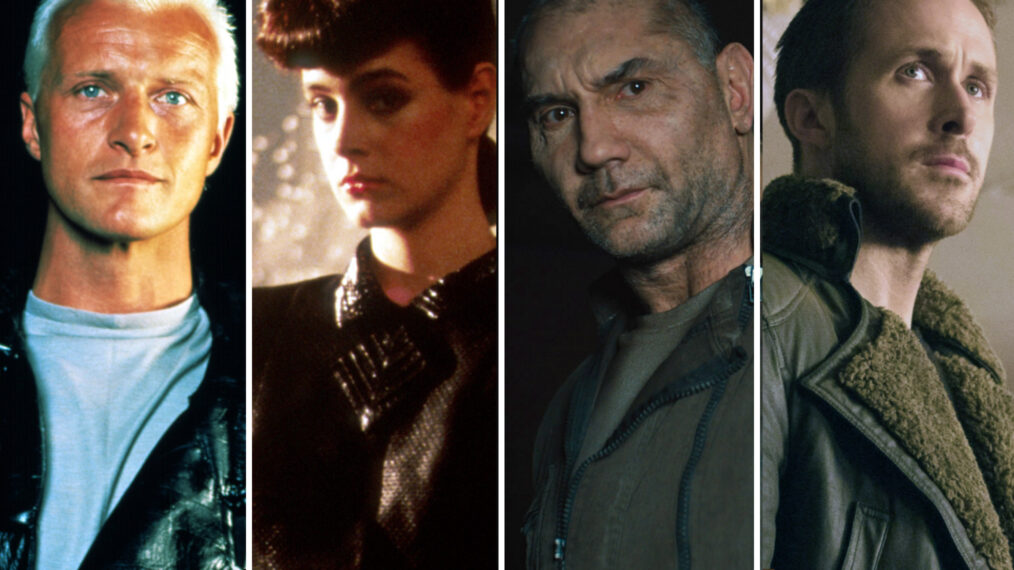
What are the differences between the Nexus models?
The evolution of the Nexus line represents a constant struggle between making replicants “more human than human” and keeping them under human control. One way companies managed this was by limiting how long replicants could live.
The first replicants introduced in Blade Runner were the Nexus-6 models, designed for slave labor on off-world colonies. They were stronger and faster than humans but could develop emotions that made them difficult to control. These included Roy Batty (Rutger Hauer), Pris (Daryl Hannah), Leon (Brion James), and Zhora (Joanna Cassidy).
The Nexus-7 models were given implanted human memories to help them develop emotions and remain more stable. Some were even capable of having children, including Rachael (Sean Young).
The Nexus-8 models were designed to live natural lifespans rather than having a built-in expiration date. They also had identifying marks in their eyes. These included Sapper Morton (Dave Bautista) and Freysa (Hiam Abbass).
The Nexus-9 models were the first replicants produced by the Wallace Corporation. Unlike earlier versions, they were programmed to obey humans without question. However, in Blade Runner 2049, it was proven that this tech was faulty and replicants can rebel against their programming. An example of this model was Blade Runner Officer K (Ryan Gosling).

Why do replicants have memories?
Replicants can be given memories of childhoods, families, and experiences they never actually had. These memories help them develop emotions, allow them to become emotionally stable, and make them believe they’ve lived normal human lives. One of the first replicants to receive memories is Rachael.
In Blade Runner 2049, Officer K discovers that one of his childhood memories actually happened, leading him to believe he might have been born. However, the memory belongs to Dr. Ana Stelline (Carla Juri), the daughter of Rick Deckard (Harrison Ford) and Rachael, who creates memories for replicants.
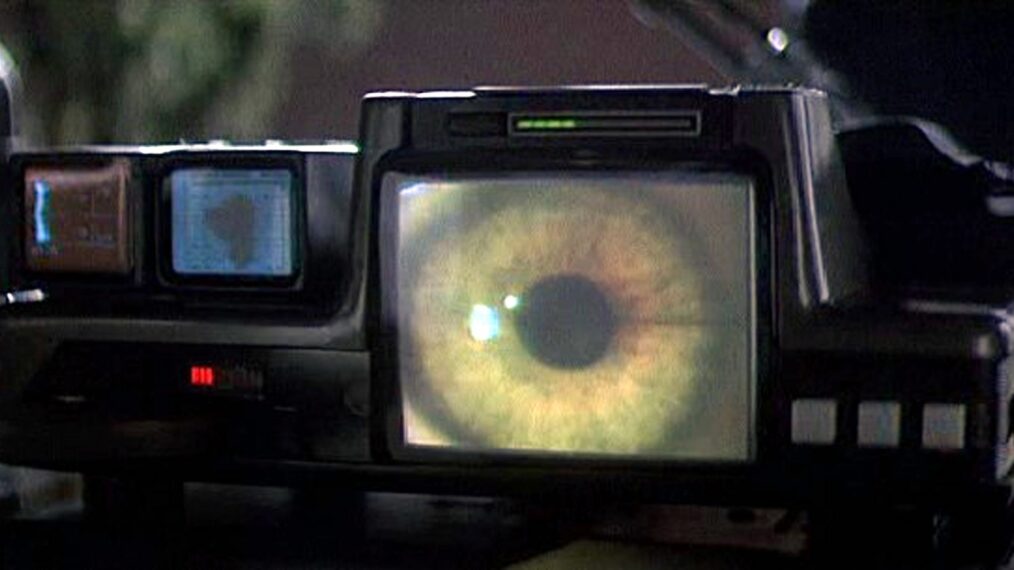
What is the Voight-Kampff Test?
The Voight-Kampff Test is used by Blade Runners to tell the difference between humans and replicants. Since replicants look and function just like humans, regular medical tests can’t identify them. Instead, the test measures their physical and emotional reactions to a series of questions, focusing on empathy, something early replicants like the Nexus-6 models couldn’t convincingly fake.

Who is Dr. Eldon Tyrell?
Dr. Eldon Tyrell (Joe Turkel) is the brilliant scientist and founder of the Tyrell Corporation, the company responsible for creating replicants. Headquartered in massive, pyramid-shaped towers overlooking futuristic Los Angeles, the corporation developed the Nexus line of artificial humans. In the original Blade Runner, Tyrell is murdered by one of his own creations, Roy Batty (Rutger Hauer), after revealing that Roy’s built-in four-year lifespan cannot be extended.
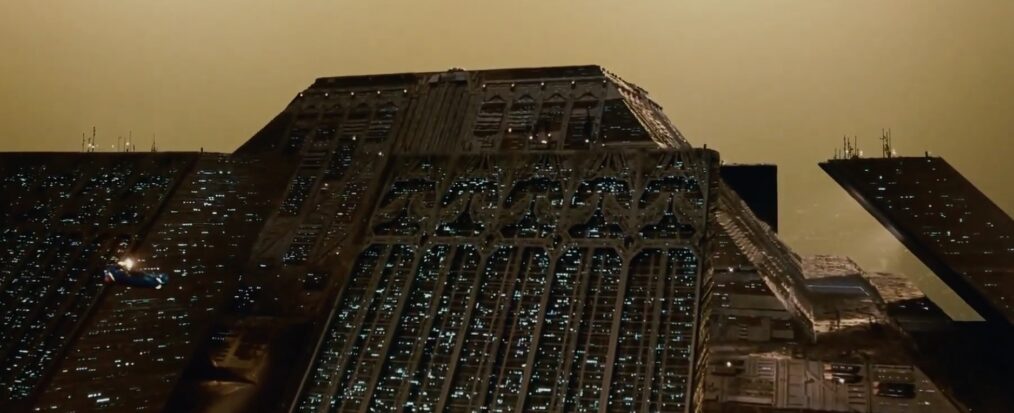
What happened to the Tyrell Corp.?
After Dr. Eldon Tyrell was murdered by Roy Batty, the company struggled to maintain control of the replicant industry. Leadership briefly passed to Tyrell’s family, who continued producing replicants and introduced the Nexus-8 models, which could live just as long as humans.
However, the new models caused growing tensions between humans and replicants. As anti-replicant groups gained power, an underground replicant resistance movement began fighting back.
Things came to a head during an event known as the Blackout, when replicant rebels detonated a nuclear warhead above Los Angeles, creating an electromagnetic pulse (EMP) that knocked out electronic systems. At the same time, rebels destroyed Tyrell’s servers, wiping out digital records across the West Coast, including the database used to identify and track replicants.
Following the Blackout, the government banned the production of replicants. With its products outlawed and its records destroyed, the Tyrell Corporation went bankrupt. Its massive pyramid-shaped headquarters were abandoned and eventually fell into ruin.
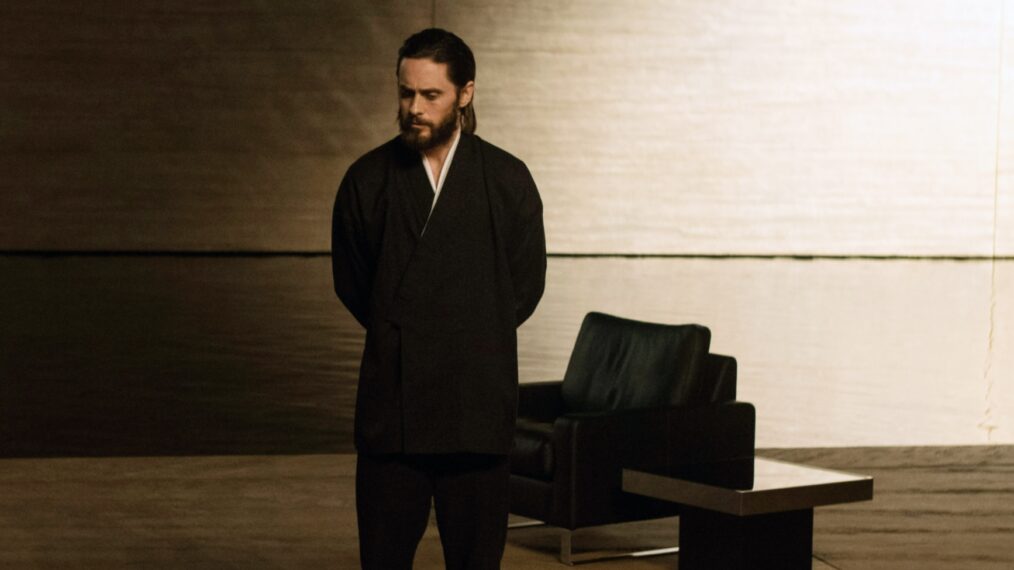
Who is Niander Wallace?
Niander Wallace (Jared Leto) is a blind, trillionaire businessman and scientist who takes over the replicant industry after the fall of the Tyrell Corporation. Before the events of Blade Runner 2049, Wallace became one of the most powerful men in the world after developing genetically modified crops that helped solve a global food crisis.
After the Tyrell Corporation went bankrupt, Wallace bought what was left of the company and used his wealth and influence to get the ban on replicants lifted. He then introduced the Nexus-9 models, a new generation of replicants programmed to obey humans without question.
Conversation
Please read the TV Insider Community Guidelines.
Register or sign in to join the conversation.