
‘Carrie’s Alison Thornton Explains Chris & Carrie’s Parallel Journeys to Power



Q&A
What To Know
- The Prime Video adaptation of Carrie gives Chris Hargensen (played by Alison Thornton) a deeper backstory.
- The series draws parallels between Chris and Carrie, showing both characters’ quests for power.
Chris Hargensen has never exactly been someone you’re supposed to root for. In Stephen King‘s Carrie, the popular high school bully — played with delicious derangement by Nancy Allen in the original film — makes Carrie White’s already miserable life even worse, eventually helping orchestrate the infamous prom-night prank that pushes her over the edge. Warning: Spoilers ahead for Prime Video’s Carrie Episodes 1 – 8.
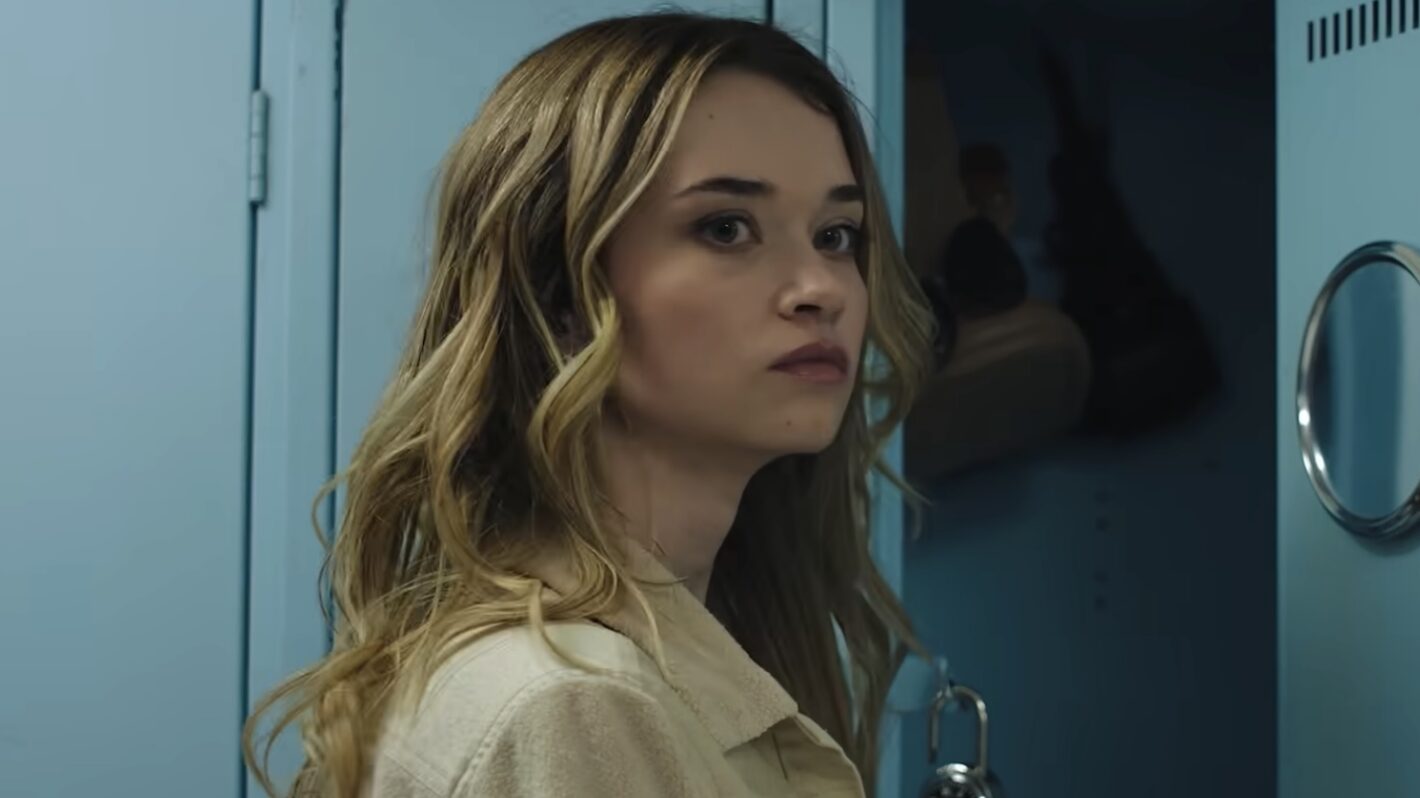
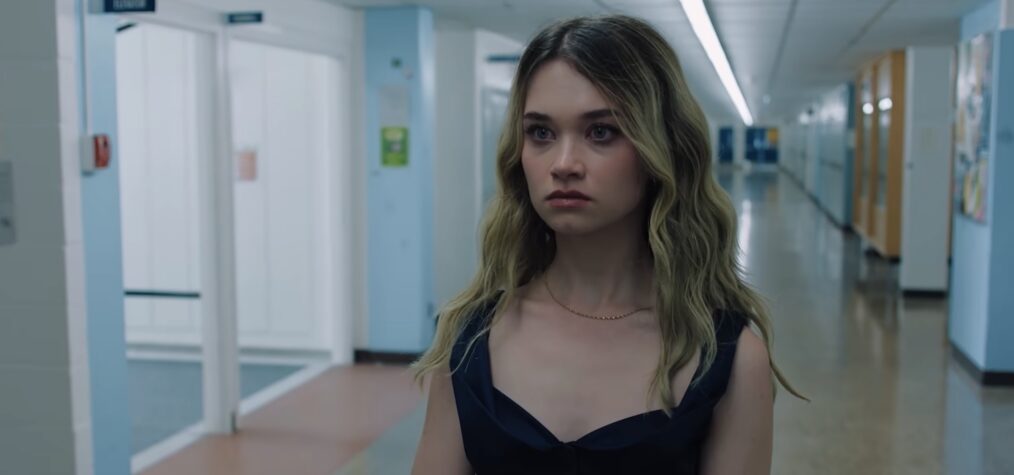
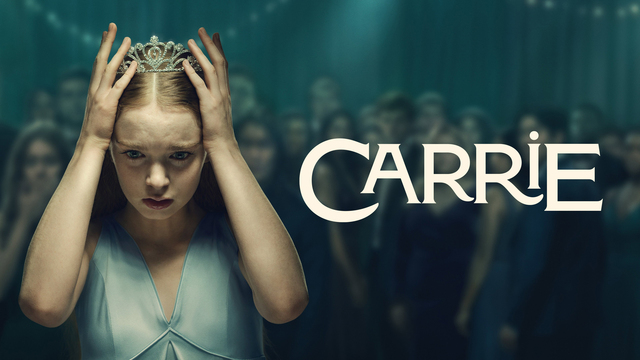
But Prime Video’s Carrie from Mike Flanagan, Chris (Alison Thornton) is given something her previous incarnations never had much of: a reason for her rage. While still cruel and making increasingly terrible choices, the eight-episode series digs deeper into her frame of mind. With her family falling apart, her future derailed by her father’s financial turmoil, and her once-close friendship with Sue (Siena Agudong) slipping away, Chris spins out of control. For Chris, tormenting Carrie White (Summer H. Howell) becomes one of the few places where she still feels powerful.
TV Insider spoke with Thornton about finding the humanity in one of King’s most notorious bullies, the moment Chris goes “off the deep end,” how social media gives the character a dangerous new kind of power, and why even she has a line she won’t cross.
Prime Video
Stephen King created Chris Hargensen in the 1970s, when the archetypal school bullies could function as an antagonist. Fifty years later, modern audiences expect some lore to understand her actions. What do you think we gain by understanding Chris without forgiving Chris?
Alison Thornton: I think with this version of Chris, because we have eight episodes and we have so much more time to explore her backstory. We get to see more of just why she’s doing what she’s doing, and the fact that everything that she is doing is coming from a place of pain.

It doesn’t justify what she does, but I think that audiences will be able to understand more that every time Chris lashes out, it’s usually just because she doesn’t have any role models. She’s kind of been taught by her dad (Michael Trucco) to always win no matter what, and she has lost all of the power in her life. Her future is gone. Essentially, her support system at home was gone. The only person that she really had looking out for her was Sue, and as soon as Sue is taken out of the equation, then Chris just has nothing, and the only power and control that she has in her life is bullying. Unfortunately, it’s not a healthy coping mechanism at all.
I’ve been saying it a few times, but this representation of Chris, I think, really shows that hurt people hurt people.
Mike Flanagan has said there are no monsters in this Carrie. The original Chris is terrifying because of what she does. This Chris is arguably more unsettling because we understand why she’s doing it. Does that make her a more effective modern villain?
I do think that makes her more effective. When I was playing her, I really approached her with so much empathy, and she’s someone that, in playing her and reading the scripts, I was so angry with her and the choices that she was making. But I also just really wanted to give her a hug, and you know. She’s a kid; she’s really lost, and she has a lot of negative influences in her life. I think that it’s more terrifying to show instead of a villain just being one-dimensional and choosing to be evil.
Chris, in her own way, I think, actually thinks that she’s making a very logical choice, and it’s a choice that will get her Sue back, and it’s a choice that will hopefully secure her future, and as soon as people start hating Carrie, then Chris can go back to where she was and be on top. I found that much more unsettling in that. It’s not that she just wakes up and decides to be a villain. She’s justifying to herself the whole time that she’s in the right.
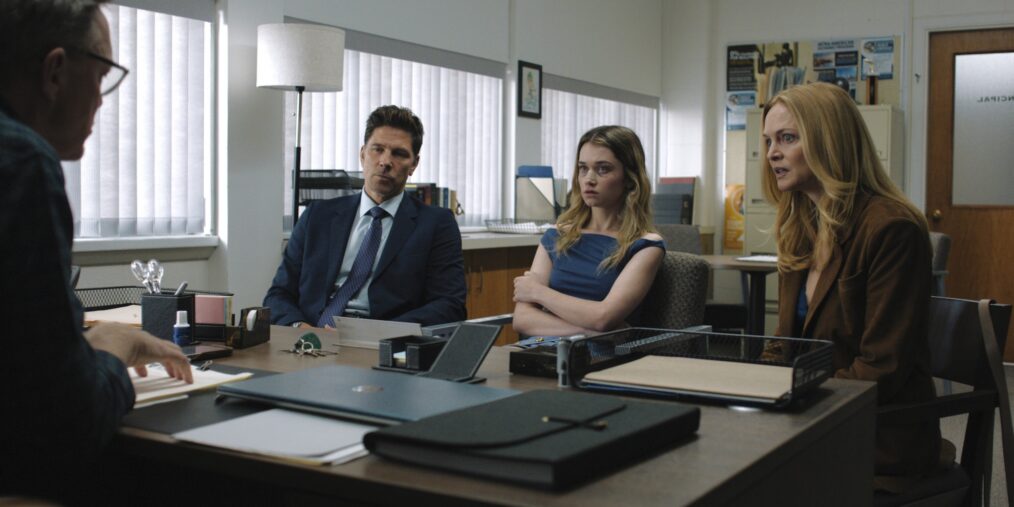
Chris has legitimate anger toward both of her parents. She feels replaced by her mother (played by Heather Graham), while she’s the one paying the price for her father’s choices. Where do you think Chris finally reaches her breaking point?
Ooh, I think that there are a series of little breaking points, but there’s a scene in Episode 4 with Chris and Billy (Arthur Conti), where Billy drops a brick, and that, to me, represented so much of Chris’s arc, in that she has been told to bottle up her anger, that she can’t let it out on [her stepsister] Brooklyn (Rowan Danielle). But of course, she can let it out on Carrie.
Prime Video
She is getting so many mixed messages from her family, and she’s also been in a position where she has never had to really face her consequences. Her dad has always kind of smoothed everything over for her, so I don’t think that she’s fully aware of how bad things could get from her own actions, and that seemed to me the way that we approached it.
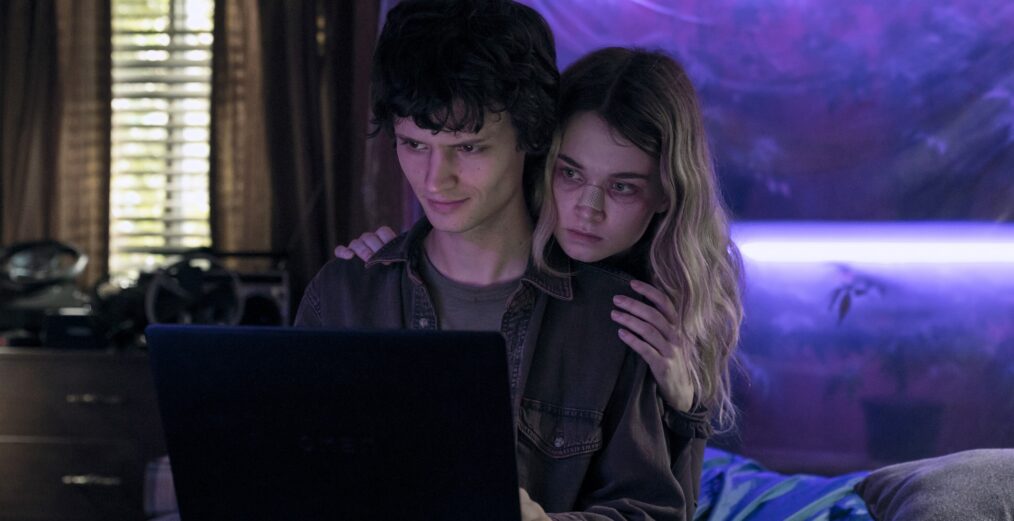
Arthur [Conti] is an incredible actor…When he drops the brick, he essentially tells her all of your darkest impulses, you can just go with that, and that’s okay. And he’s the first person that really encourages her to do that. It’s such a contrast to Chris’s relationship with Sue, and I think that Chris was really anchored by Sue’s kindness, and Sue was really checking Chris all through their childhood, and Sue was the one parenting Chris. When that’s gone, and Billy enters the equation, it’s just such a dangerous moment.
Chris’ creation of the Carrie Red Instagram account is very interesting because social media gives this Chris so much more power than previous versions of Chris. What do you think that the account becomes for Chris?
Social media plays a huge role in the show. It’s its own character in itself. I think that social media in this version represents power. A lot of the themes of the show are around power and what power is today in 2026. Whether it’s socioeconomic, whether it’s popularity, whether it’s actual powers like Carrie, whether it’s support and love from the people around you, or social media.
Chris has always been in a position of power in her life — that’s just her default. So when that’s gone, social media…it is power. And what I found so interesting about the episodes is that Chris and Carrie are on a very parallel journey. In the first episode, they both kind of find out that they might have a little bit of power, and for Carrie, that’s literal telekinesis, and for Chris, that’s causing pain.
At the end of Episode 2, Carrie experiences her power, and so does Chris. And those scenes are right after each other. Chris is discovering how good it feels to have online power, and the fact that it’s anonymous, and she just feels invincible in that way. And a huge topic of the show is: Do you use your powers for good or evil? And just what does power even mean? And what are the repercussions of power?
Liane Hentscher/Prime
Chris has always been one of King’s more vicious villains, but your version gets a split-second moment of remorse at the end and chooses not to kill Carrie with the car. Why was it important to give Chris a line she ultimately won’t cross?
She’s always been depicted as the villain, and Chris doesn’t kill anyone. Chris actually chooses to save Carrie at the end, and in those final moments, Chris is genuinely remorseful. And I think that moment is so powerful because people forget that all of the characters are kids, and they’re all lost, and they don’t know what they’re doing. And Chris takes things way too far. I don’t think that anyone can argue that her actions are justified. And I hope that people remember that.
In those final moments, she can’t cross that line… She’s not a killer. And I think that is depicted in Margaret as well… Everyone’s just a human.
Carrie, Streaming Now, Prime Video














Conversation
Please read the TV Insider Community Guidelines.
Register or sign in to join the conversation.
 Watchlist Easy access to only the shows you care about — all in one simple place
 Alerts Only important notifications — when a show is returning, when it becomes available to stream, and more.
 Special Offers Exclusive products we release related to your favorite shows and streaming services