
Marilyn Monroe vs. Hollywood: How She Took Back Her Power



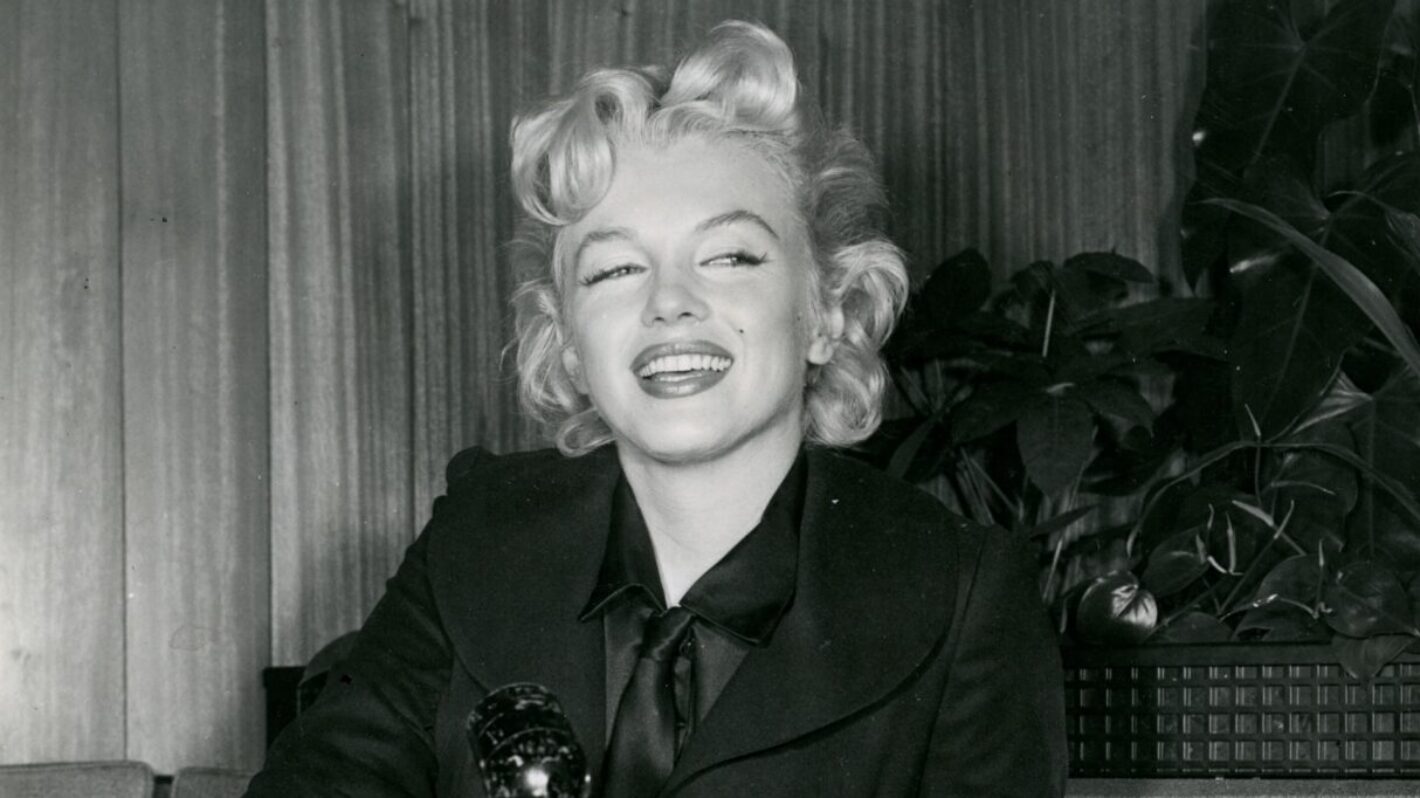
courtesy of our partner site

America first laid eyes on Marilyn Monroe when she graced the cover of The Family Circle magazine in April 1946, smiling at the camera while clutching a lamb. Over the decade that followed, Monroe cut a blinding path to cultural immortality, as the Los Angeles native evolved from silver screen bit player in Dangerous Years (1947) to her big break in The Asphalt Jungle (1950) and eventually toplining turns in Gentlemen Prefer Blondes (1953) and How to Marry a Millionaire (1953) that, as producer Darryl F. Zanuck noted, made her “a star in every sense of the word.”
Monroe’s success was a double-edged sword, as her sultry appeal resulted in typecasting, and while she made efforts to control her public image, every forward step was countered by Twentieth Century-Fox’s “blond bombshell” promotional tactics tethered to each new film. Compounding the issue was her contract with Fox, signed in 1946 and unchanged since 1950, that had her locked into a $1,500-a-week salary that belied her growing celebrity and importance to studio revenue.
On Remind
 Watchlist Easy access to only the shows you care about — all in one simple place
 Alerts Only important notifications — when a show is returning, when it becomes available to stream, and more.
 Special Offers Exclusive products we release related to your favorite shows and streaming services