
’60 Minutes’ Report Pulled by Bari Weiss Leaks Online



What To Know
- A 60 Minutes segment detailing the mistreatment of Venezuelan men was pulled by CBS but leaked online.
- The report accused the Trump administration of denying them due process and sending them to life-threatening conditions.
- CBS editor-in-chief Bari Weiss delayed the segment, citing the need for additional reporting.
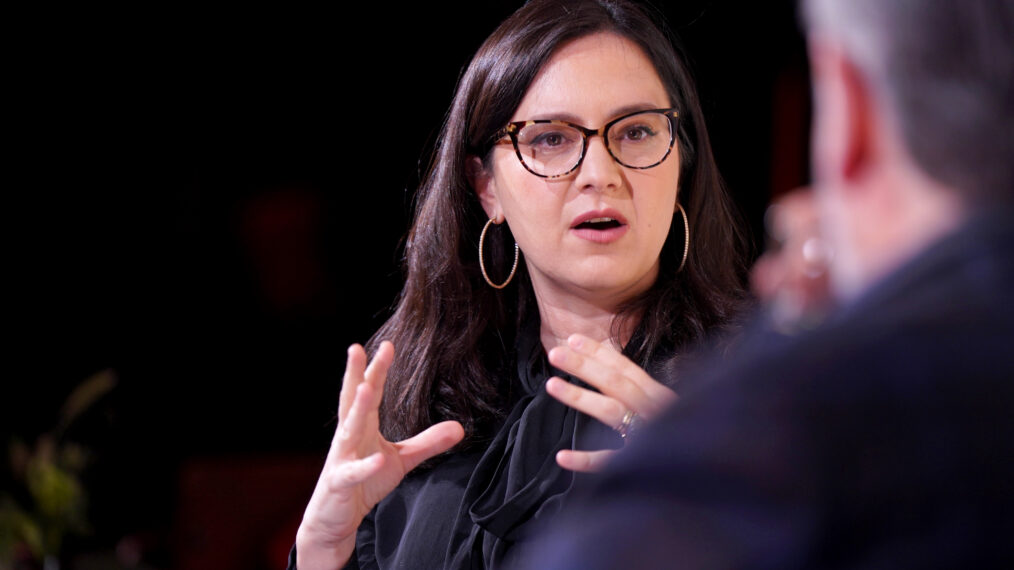
A 60 Minutes report that was allegedly pulled by CBS News editor-in-chief Bari Weiss about the “horrific treatment” of detainees deported from the U.S. to a prison in El Salvador has leaked online. The report appeared on a Canadian TV app after it mistakenly uploaded the wrong episode to its streaming app.
Canada’s Global News aired the 60 Minutes episode without the segment, as did CBS on the network’s Global TV app. As a result, the segment is now being shared across social media and blogs.
In the segment, Sharyn Alfonsi interviews a man who was forcibly removed from the U.S. despite having no criminal record or a history of violence. He was sent to the Centro de Confinamiento del Terrorismo (CECOT), or Terrorism Confinement Center, located in Tecoluca, El Salvador.
The segment covers the Trump administration’s deportation of hundreds of Venezuelan men to El Salvador, a country to which most of the men had no connection. The administration claimed the men were terrorists and invoked an obscure wartime authority that allowed for their immediate removal without due process. The men were sent to CECOT, where they claimed to have been tortured and endured “four months of hell.”
“When we got there, the CECOT director was talking to us. The first thing he told us is that we would never see the light of day or night again,” said Luis Munoz Pinto, one of the victims.
Pinto was a college student in Venezuela who was seeking asylum in the United States. In 2024, he says he waited in Mexico until his scheduled appointment with U.S. Customs and Border Protection in California. “They just looked at me and told me I was a danger to society,” called the young man. “I never even got a traffic ticket.” He then went into detail about the torture he endured, including being beaten to the point of unconsciousness and having his teeth knocked out.
“Four guards grabbed me, and they beat me until I bled, until the point of agony. They knocked our faces against the wall. That was when they broke one of my teeth,” said Pinto.
The hot-button report goes into detail about the “life-threatening conditions” of the prison, showing footage of the prison and its treatment of its detainees, while accusing the Trump administration of using those men to make an example out of them and denying them due process.
According to The New York Times, CBS announced the change three hours before the broadcast, which is an unusual last-minute switch.
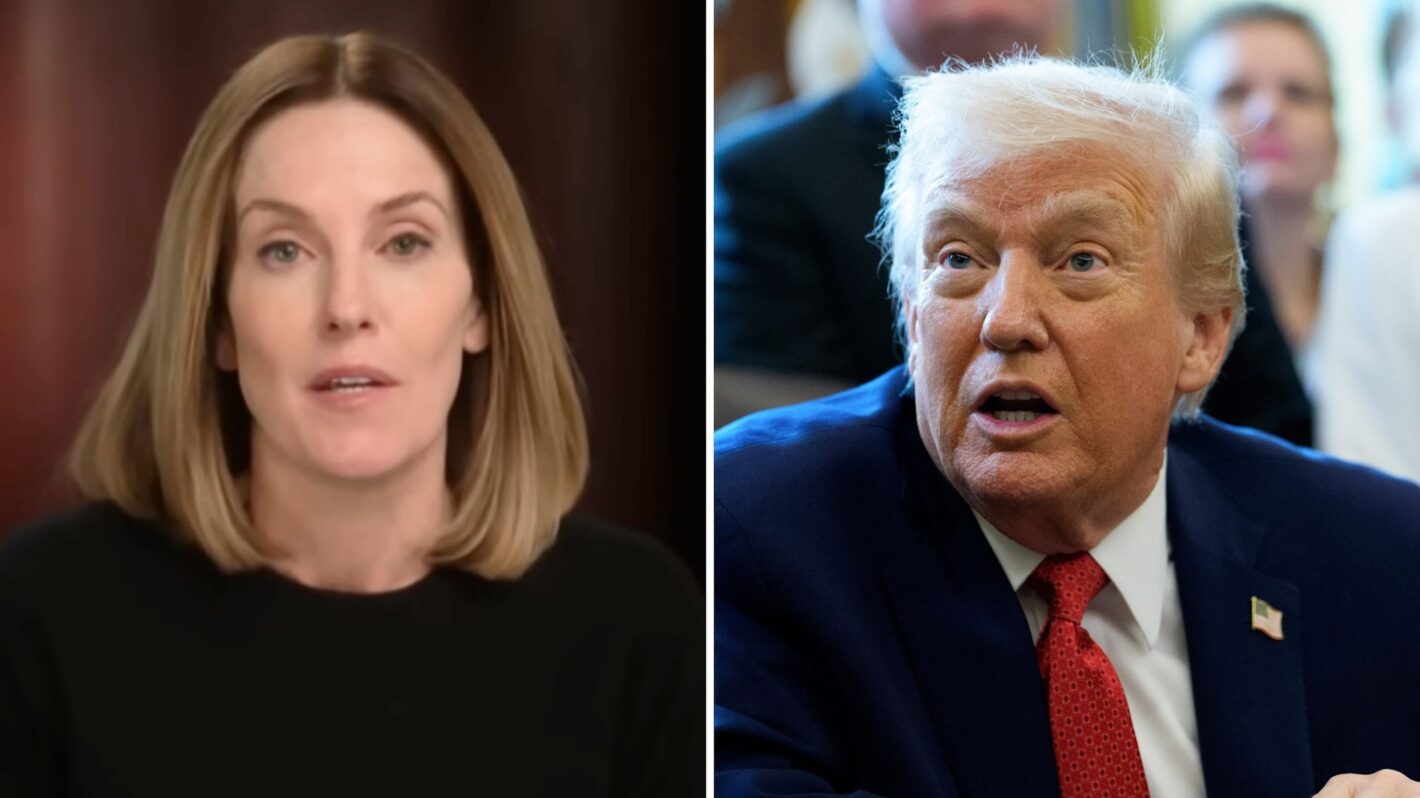
Weiss wanted to hold back the pieces so she could make “numerous changes to the segment, and the NY Times reported that Weiss wanted to include an interview with Stephen Miller, the White House deputy chief of staff, or another senior Trump administration official. Weiss also apparently questioned the use of the term “migrants” to describe the Venezuelan men who were deported, noting that they were in the United States illegally.
NPR reported that Weiss said the segment could not air without first getting an on-the-record statement from the Trump administration, and The Washington Post reported that CBS News abruptly pulled the segment after the Trump administration refused to grant an interview, according to an email procured by The Post.
CBS News abruptly pulled a “60 Minutes” segment on the Trump administration’s deportations of Venezuelan migrants to El Salvador’s CECOT prison after the Trump administration refused to grant an interview, according to an email obtained by The Post. https://t.co/vjZD2MKUwN
— The Washington Post (@washingtonpost) December 22, 2025
CBS News said in a statement that the segment would air at a later date and “needed additional reporting.”
— 60 Minutes (@60Minutes) December 21, 2025
Weiss said in a statement: “My job is to make sure that all stories we publish are the best they can be. Holding stories that aren’t ready for whatever reason — that they lack sufficient context, say, or that they are missing critical voices — happens every day in every newsroom. I look forward to airing this important piece when it’s ready.”















 Watchlist Easy access to only the shows you care about — all in one simple place
 Alerts Only important notifications — when a show is returning, when it becomes available to stream, and more.
 Special Offers Exclusive products we release related to your favorite shows and streaming services