
The Oscars Are Moving From ABC to YouTube: What It Means for Viewers



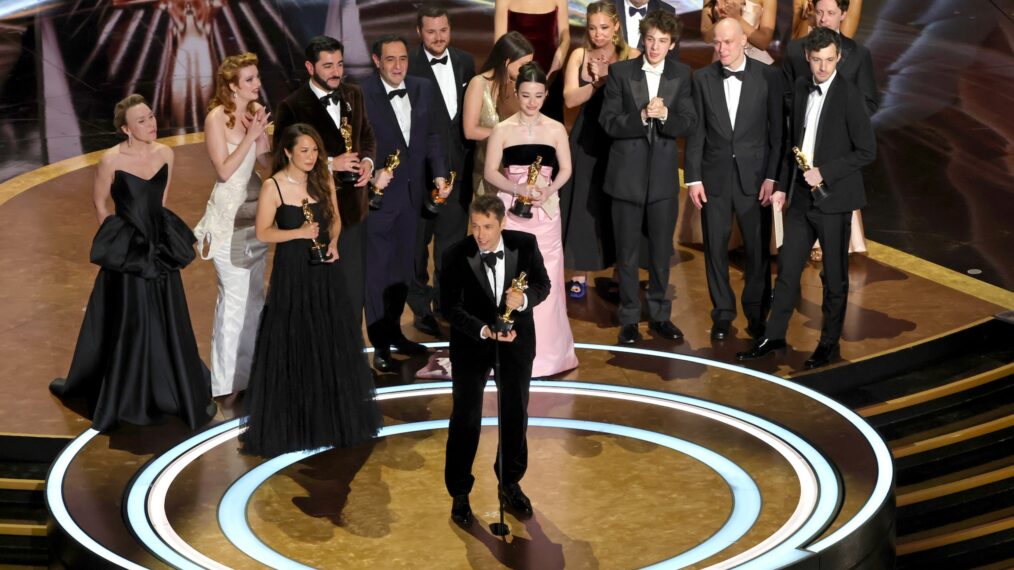
The annual Academy Awards broadcast will undergo a major change following its 100th birthday in 2028.
The Academy of Motion Picture Arts and Sciences announced on Wednesday, December 17, that the Oscars will move from its longtime home at ABC and begin streaming exclusively on YouTube starting in 2029. The move was announced as an effort to make the awards show more accessible to international audiences.
“We are thrilled to enter into a multifaceted global partnership with YouTube to be the future home of the Oscars and our year-round Academy programming,” Academy CEO Bill Kramer and Academy President Lynette Howell Taylor said in a statement about the switch. “The Academy is an international organization, and this partnership will allow us to expand access to the work of the Academy to the largest worldwide audience possible — which will be beneficial for our Academy members and the film community.”
The statement continued, “This collaboration will leverage YouTube’s vast reach and infuse the Oscars and other Academy programming with innovative opportunities for engagement while honoring our legacy. We will be able to celebrate cinema, inspire new generations of filmmakers, and provide access to our film history on an unprecedented global scale.”
In a statement of his own, YouTube CEO Neal Mohan added, “The Oscars are one of our essential cultural institutions, honoring excellence in storytelling and artistry. Partnering with the Academy to bring this celebration of art and entertainment to viewers all over the world will inspire a new generation of creativity and film lovers while staying true to the Oscars’ storied legacy.”
So what does the Oscars’ move from ABC to YouTube mean for viewers?
How long will the Oscars air on YouTube?
The 100th Academy Awards will mark the ceremony’s final broadcast on ABC in 2028, with the show moving to YouTube the following year. Per The Academy’s website, the YouTube partnership will last through 2033.
Film’s biggest night is headed to @YouTube, starting 2029. pic.twitter.com/5ckm1JyBC7
— The Academy (@TheAcademy) December 17, 2025
What other Oscars coverage will air on YouTube?
The YouTube move will include all aspects of Oscars coverage, in addition to the show itself. “This will include the Governors Awards, the Oscars Nominations Announcement, the Oscars Nominees Luncheon, the Student Academy Awards, the Scientific and Technical Awards, Academy member and filmmaker interviews, film education programs, podcasts, and more,” The Academy shared on Wednesday.
“The Google Arts & Culture initiative will help provide digital access to select Academy Museum exhibitions and programs and help to digitize components of the Academy Collection—the largest film-related collection in the world, with more than 52 million items. It will be a true hub for film fans and will be accessible from around the world,” per the organization.
Will it cost money to watch the Oscars on YouTube?
The live broadcast will be free for all YouTube and YouTube TV viewers on the official Oscars channel. “YouTube will help make the Oscars accessible to the Academy’s growing global audience through features such as closed captioning and audio tracks available in multiple languages,” The Academy announced.
How are fans reacting to the Oscars’ move to YouTube?
Fans shared their mixed reactions to the news via social media, with some expressing concern over ads playing over the broadcast. “Me watching an un-skippable ad right before they announce film of the year,” one X user joked. Another added, “Adverts you can’t skip through…how long will the ceremony last!”
Others shared their excitement about the change. “That was long overdue. If you want people to pay attention to the awards, they need to be freely available on YouTube,” one X user wrote, while someone else shared, “It’s about time, now the Academy can get creative with how they broadcast the awards without all the constraints of broadcast TV.”
“The Oscars leaving US broadcast TV for YouTube isn’t just a platform switch. It’s a shift in mindset. From a limited American audience to a global one,” wrote a different X user. “This marks a turning point in how prestige cinema is consumed, not scheduled.”





 Watchlist Easy access to only the shows you care about — all in one simple place
 Alerts Only important notifications — when a show is returning, when it becomes available to stream, and more.
 Special Offers Exclusive products we release related to your favorite shows and streaming services