
How World War II Changed Baseball Forever and Revived America’s Pastime



This excerpt appears
courtesy of our partner site
courtesy of our partner site

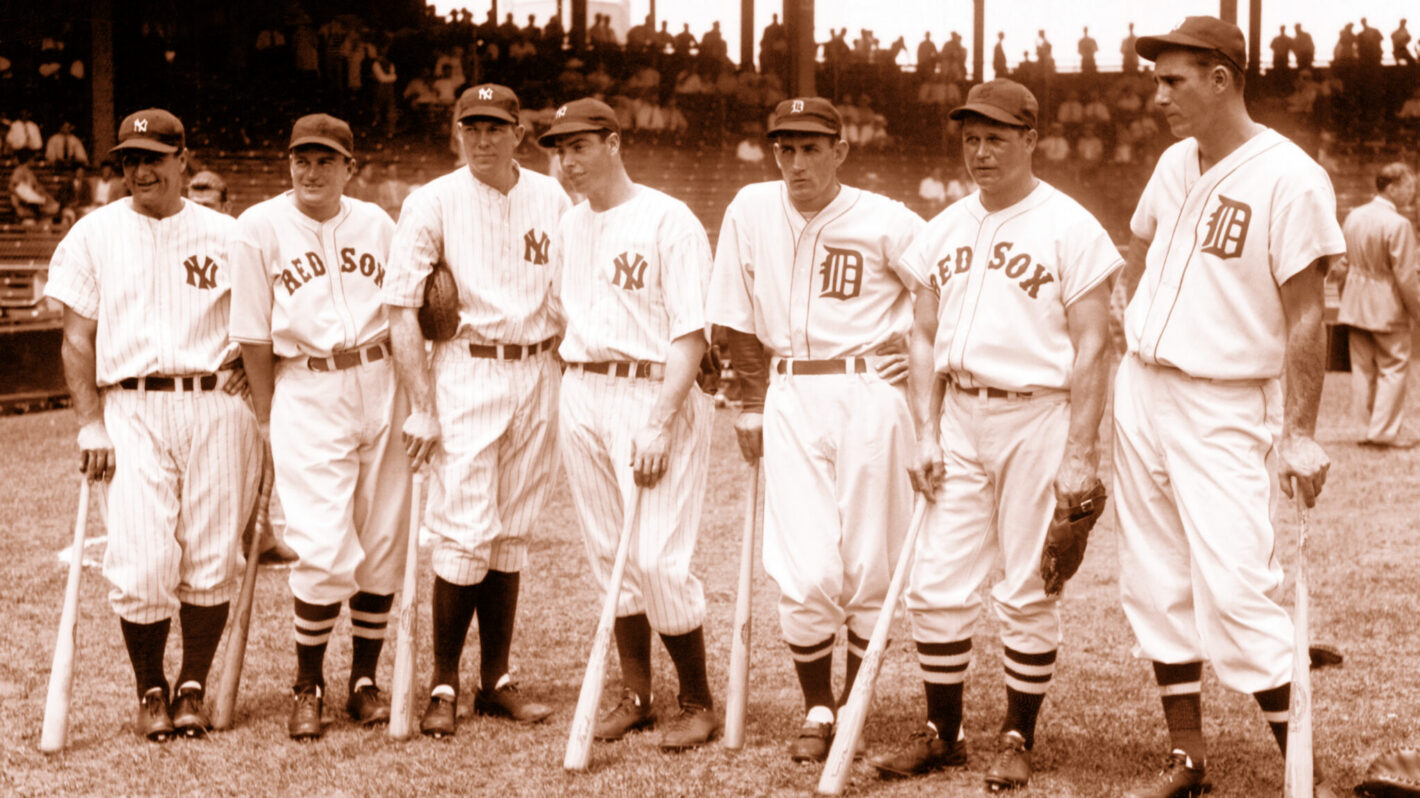
On Feb. 1, 1942, Hank Greenberg — Detroit Tigers slugger and two-time American League Most Valuable Player — took his place in line at Fort Dix, New Jersey, two months after his honorable discharge from the Army, reenlisted and ready to volunteer for service in the U.S. Army Air Corps.
Japan’s attack on Pearl Harbor months earlier had brought the United States into World War II, and Greenberg was ready to heed the call. “We are in trouble,” he told The Sporting News, outlining the gravity of the war effort, before adding the obvious: “This doubtless means I am finished with baseball, and it would be silly for me to say I do not leave it without a pang.”
Continue Reading
On Remind
On Remind
for free!
 Watchlist Easy access to only the shows you care about — all in one simple place
 Alerts Only important notifications — when a show is returning, when it becomes available to stream, and more.
 Special Offers Exclusive products we release related to your favorite shows and streaming services