
‘The Boy on the Milk Carton’ Explores if Wrong Man Went to Prison for Etan Patz Disappearance


Exclusive
What To Know
- Oxygen’s documentary revisits the 1979 disappearance of six-year-old Etan Patz and and subsequent investigation.
- Pedro Hernandez was convicted after confessing in 2012, but inconsistencies and interrogation concerns fueled debate.
- Director Joshua Zeman believes Hernandez is innocent and examines another suspect, Jose Ramos.
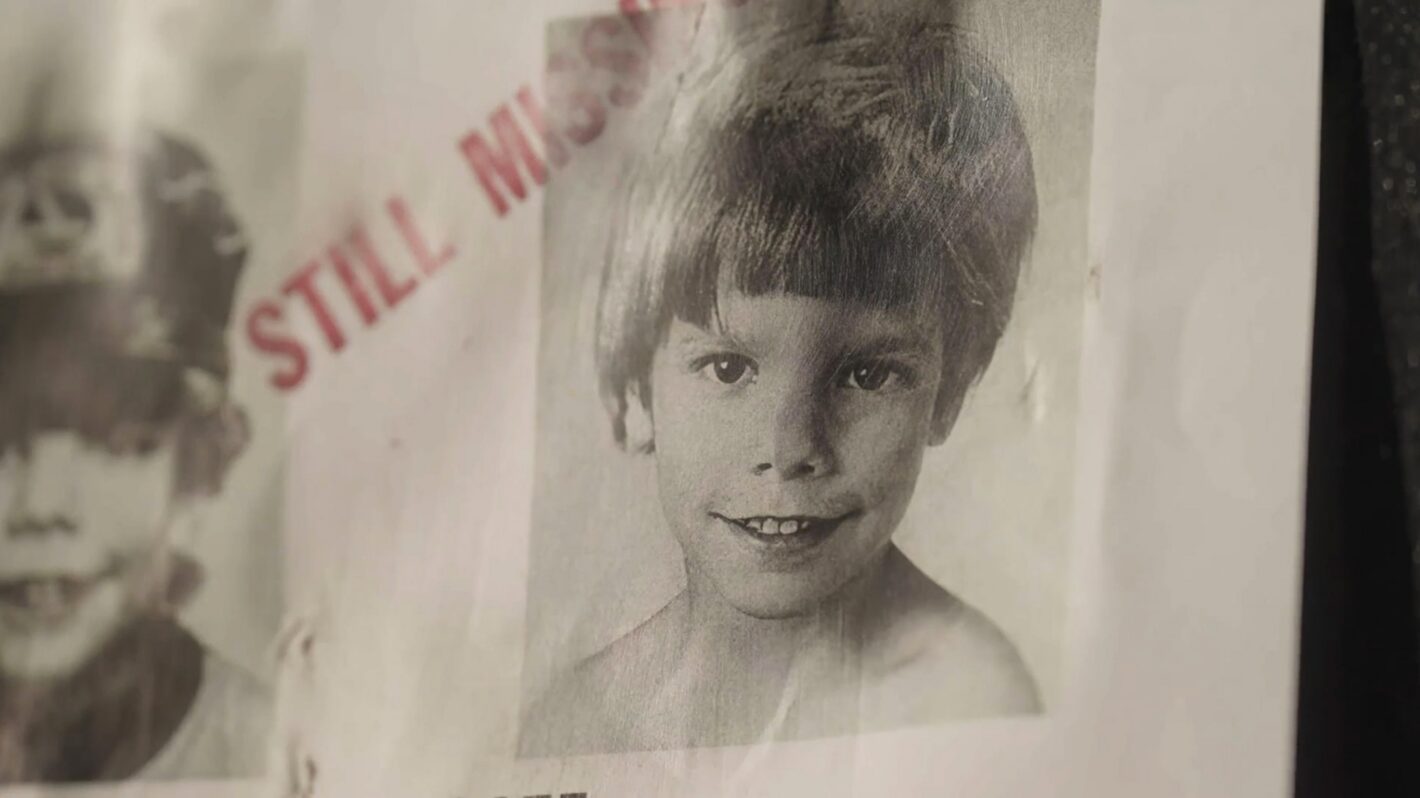
The Boy on the Milk Carton: The Disappearance of Etan Patz is a new Oxygen documentary investigating one of the most infamous missing-child cases in American history. On May 25, 1979, Etan Patz was seemingly kidnapped from a New York City street on his way to school. A parent’s worst nightmare, the heartbreaking story regularly made headlines and fueled uneasiness throughout the country. That feeling only grew as the six-year-old’s face was one of the first on a milk carton in 1985, which failed to deliver true breakthroughs. His case remained cold for 30 years despite countless conspiracy theories and leads that went nowhere.
Then in 2012, Pedro Hernandez confessed to the crime following a police interrogation later scrutinized for potential misconduct. Despite concerns from detectives, psychiatrists, and the FBI about inconsistencies in his confession, Hernandez was convicted and sentenced to life in prison following two highly publicized trials. The case resurfaced in 2025 when a federal appeals court overturned his conviction. The Supreme Court reinstated the sentence in June 2026, reigniting debate over whether the right man was convicted.
Hernandez’s attorneys maintain his innocence, pointing to notorious convicted pedophile Jose Ramos, who had connection to Etan’s case, as the person they believe may be responsible. Ramos has since died of cancer in March. Premiering November 27, the documentary explores the motivations to reopen the case, the potential injustices and unanswered questions that persist, and the search for the truth behind Etan’s tragic disappearance. Evan has never been found, and he was declared legally dead in 2001, 22 years after he went missing.
Here EP and director Joshua Zeman talks about his decade-long rollercoaster journey making of the documentary.
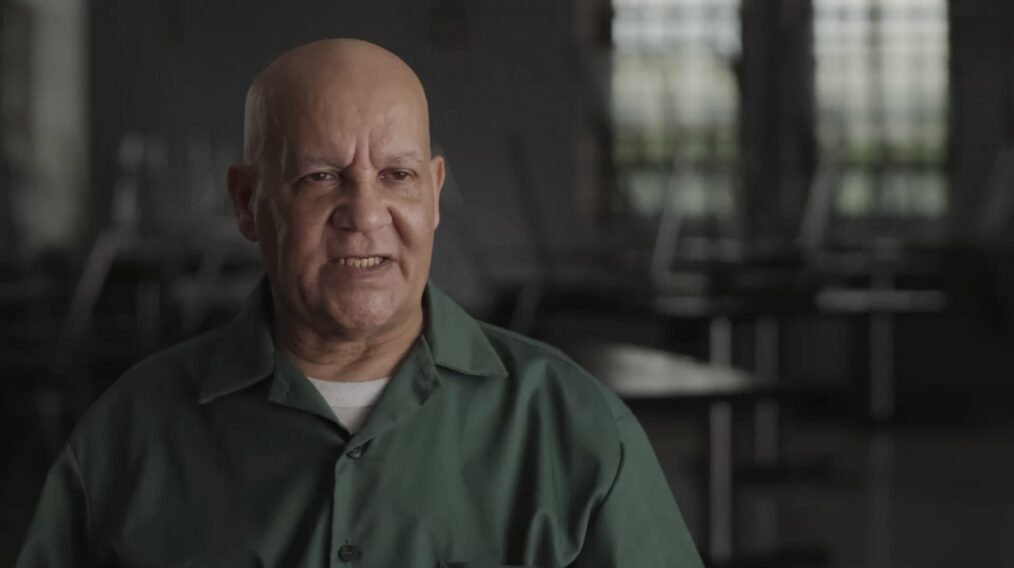
Pedro Hernandez in ‘The Boy on the Milk Carton: The Disappearance of Etan Patz’: The documentary on Oxygen True Crime. Photo: Oxygen True Crime © Versant Media. All Rights Reserved
Did you expect to be as involved in the story as you end up being towards the end?
Josh Zeman: That’s a great question. This is a project that I’ve been working on for 10 years. I had done a film many years ago called Cropsey, which was about some missing kids in Staten Island, New York, my hometown. Etan was always the missing child of New York City in some respects, one of the premier cold cases in New York City. So, after I had finished Cropsey, I befriended a lot of the investigators, the cold case investigators, who were always working on these missing children cases. Then in 2012, when Pedro Hernandez was arrested, they called me up. I had become the kind of de facto New York City missing kid documentarian, if you will. They called me up and they said, “Josh, you know, this is unbelievable.” And I asked if I should go down to where they were doing the dig [where it was thought Etan’s remains were buried]. I went down to the dig. We couldn’t believe they were that close to finding Etan’s body. I saw all the press, and it was huge.
Then they didn’t find the body, and then Pedro Hernandez was arrested and I was thinking about doing a documentary back then, all the way back in 2012. We turned to each other and said, “It’s not worth it. He’ll never get indicted. It’ll never go through. The case will never go through just because it’s so shoddy.” And here we are, and it did. Here we are so many years later. This has been a case that has been near and dear to me for many years. I pitched it around many years ago, saying they have the wrong guy. And a lot of the studios were saying, “Well, you know, you’re not Alex Gibney. Why should we believe you?” And then finally, just this year, the federal appeals court came in and said, “You know, we have some real problems with the case.” Then it got overturned. And finally, I was able to convince a number of folks that this was a case worth looking at. It’s an old case. It’s so old, so I think there was a generation of people who knew about it, but the younger generation didn’t.
The documentary also follows your search for Jose Ramos. You somehow find him in the hospital, and he dies before you could even talk. What was going through your mind at that point?
It’s kind of nuts. That’s just the way it goes. We had looked for him for four years. We had called, and found out he was out [of prison]. We didn’t tell any of the press because we wanted to be the ones to have that story and go make a documentary off that. Like oh my god, the guy who probably killed Eitan Paz is out, and nobody knows about it. Why is he out? Because they took their eyes on the ball off the ball, you know, and focused on Pedro Hernandez. First, we thought he was in the Philippines. I was going to go to the Philippines. I was a week away from going to the Philippines, and then our skip tracer [investigator] said, “No, he’s in New York.” Then I went to go find him, and I went to go to New York. He got kicked out where he was, and he’s on the streets. I had chased this guy for years.
You may be thinking, “Well, you know, you’re chasing an 80-year-old guy.” No, this guy is crafty. Then we get there and find him, and he’s dead. That’s why we included it in the film. It was so nuts, it was so crazy. The fact that we went there, and he died. I was really hoping to get a deathbed confession. That was my goal. You always have to hope, and you always have to prepare for what if it does happen.
You have your feelings, but as a documentarian you also want to tell a balanced story. How hard was that for you in this case?
It is a challenge. You never want to be an advocate, but the best arguments are the ones where you let the public decide on their own. Like if you’re right, or if your theory is correct it will stand up to scrutiny without having to bang people’s heads over it. You know it will stand up to scrutiny by saying, “Well, let me just give you the evidence. Let me just show you if you believe something, maybe logically or in your heart.” The best documentarians are the ones who are able to still show both sides of the equation and then hope the audience gets there on their own. That’s what you have to do. You have to let the audience get there. Nobody wants to be told what to think, especially in the true crime community. They want to come to it themselves
The logic is there to make the case. But the other part of it is a court of law, which is very different from what the public knows. It is when trying to figure out who killed Etan Patz, if you don’t know the history of Jose Ramos, you’re really getting a tunnel view. You’re not getting the full picture. And that’s one of the issues that I’ve always kind of had with the justice system in terms of bringing in people’s past crimes and past behaviors for the crime that they’re on trial for, especially if it’s serial murder or if it’s a pedophile case or something like that.
Were you surprised Etan’s family declined to participate in this project?
No, I did not want to reopen up old wounds. I think the family deserves to believe whatever they want to help them get through the pain and trauma. I’ve dealt with other parents of missing children, and there is no more tragic situation. And so I wanted to keep them separate. I wanted to protect them from this other part of the investigation, right? This is not about the family and changing their minds. This is just about right and wrong of whether the real guy is in jail. And whether Ramos did it. And, you know, look, they were actually correct. Whether they believe it or not, they were actually correct in that they had sued Jose Ramos civilly many years ago. So, you know, is it this guy, or is it this guy? It’s somebody who they had already believed for so many years had done it. So I didn’t think it was about that in this case.
For me, this is really about whether the prosecutors should have gone through with a trial for Pedro Hernandez. Considering the lack of evidence, I think it’s a tragedy that they put this guy on trial. The Patz family had to go through two trials, and then the back and forth of the Supreme Court. Just putting them through that, whether you had the best of intentions or not, I don’t think we can just put somebody on trial just because we want closure. You know, the evidence still has to be there.
How was it sitting down with Pedro? What was your takeaway from that?
It’s really interesting. I remember speaking to the defense attorneys, and I was like, you guys have to put Pedro on the stand. And they were like, no, like, we can’t because any prosecution will rip him apart. And I was like, yes, I understand, but it’s so interesting to hear somebody admit to something on tape numerous times. It’s very different to sit down and talk to him because when you sit down and talk to him suddenly it’s very clear. It’s very clear. It’s really interesting how false confessions sometimes work. You could see him, or what looks to me, in my opinion, as him being fed this information. You know, they kept saying, “Well, he admitted it numerous times to numerous police officers.” I was like, you could see him starting to get the story really perfect.
He is retelling the story over and over again, so by the fourth ADA (assistant district attorney) that he’s telling the story to, it sounds really good because he practiced. Saul Kassin, who’s an investigator who specializes in false confessions, would meet the people who had given false confessions later on down the line after DNA, for example, exonerated them. He would sit down and say to this person, “I don’t understand how you gave such a good confession when it was false.” He said one time that he spoke to an individual, and the guy said, “Well, because we practiced it with the police.” Giving a confession is sometimes a performance, whether it’s real or false. You want to please people. Sometimes you want to please people. Sometimes you really want to get out and go eat or sleep.
The mind does different things when you’re in isolation for hours at a time, no matter who you are.
Yeah, it’s so funny. People are like, oh, I would never falsely confess. I was like, you go out, you go without food for 12 hours, or sleep for 12 hours, and then come back to me and tell me what you wouldn’t or wouldn’t do. I’ve gotten into huge fights because I’m hangry, you know?

What kind of impact do you think this is going to have? Do you think there is a next chapter in this tragic story?
I’ll be honest, I don’t know if there’s a next chapter. I was hoping that this would have happened during what would have been the third trial that would have helped. As a documentarian, I don’t necessarily believe in advocacy. But as a human being, I believe in right and wrong. So it’s hard for me to stand by what I know about the case, having the knowledge and being there for 10 years and seeing how things unfolded. So in this regard, I am willing to kind of put that documentary hat aside. I say to please watch this because I believe, personally, that the wrong guy is in jail. I think the evidence is there to prove it. Will anybody ever do anything? I don’t know.
I think the problem here is that we all know when it comes to crime that sometimes if you have a very vocal mother of, say, a victim, that would help. Vocal family members really are very helpful, but there’s no one advocating for Pedro. So that concerns me in terms of anybody ever doing anything to help him. He’s very vulnerable. I also think that was part of the problem to begin with. He didn’t have a lot of advocates, but those are also some of the problems with our justice system.
The Boy on the Milk Carton: The Disappearance of Etan Patz premiere, November 27, 9/8c, Oxygen
Conversation
Please read the TV Insider Community Guidelines.
Register or sign in to join the conversation.