
Kit Harington Details ‘Horrific’ Final Scene in ‘Tale of Two Cities’



Exclusive
What To Know
- The finale of A Tale of Two Cities ended on a devastating note, just like the book.
- Here, Kit Harington explains how his final scene involved a “horrific” realization for the actor.
MGM+’s four-part series adaptation of Charles Dickens‘ A Tale of Two Cities has now come to a close, and one of the final moments is just as iconic as the first.
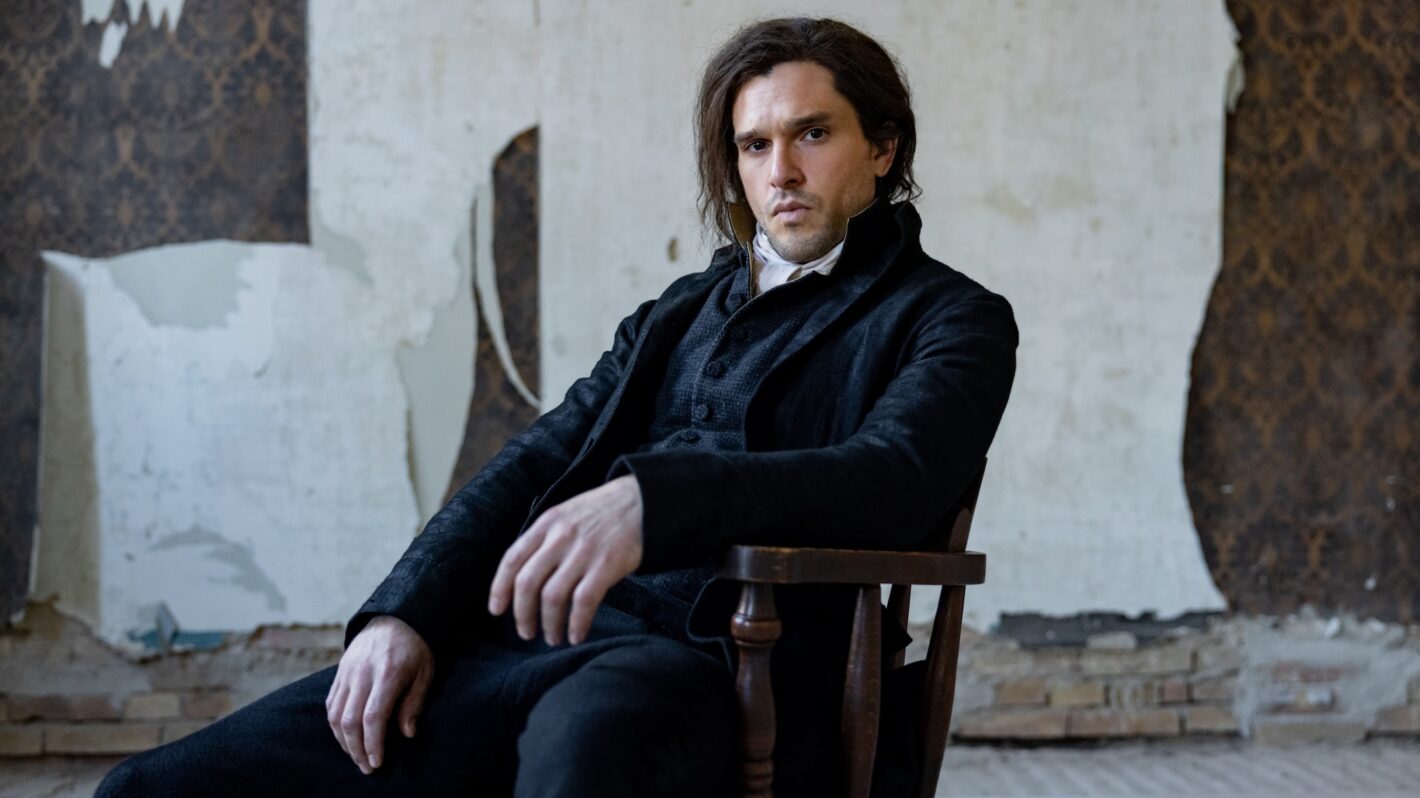
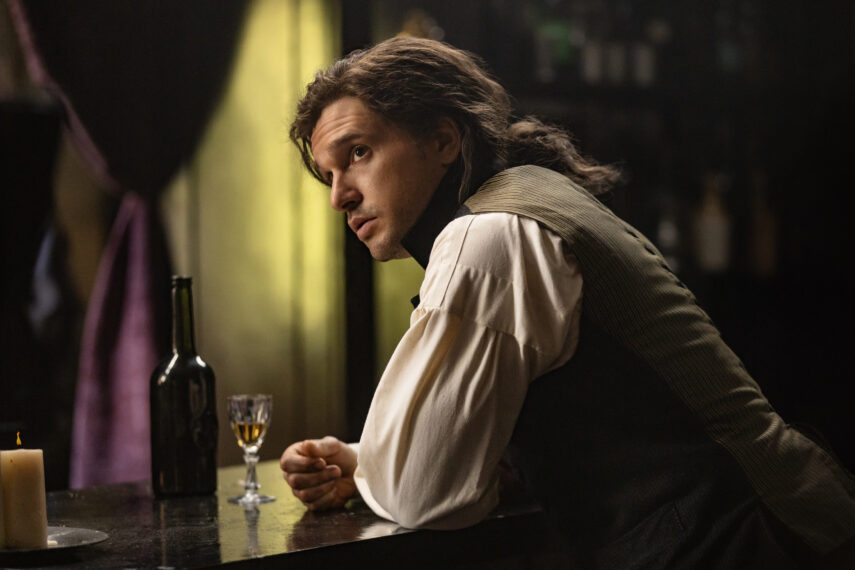
Sunday’s (October 4) series finale, “Resurrection Man,” saw the saga conclude with its bittersweet ending, as Sydney Carton (Kit Harington) switches places with Charles Darnay (François Civil) after the latter was convicted for his estranged aristocratic family’s crimes and sentenced to death.
As the classic line rings out — “It is a far, far better thing that I do, than I have ever done; it is a far, far better rest that I go to than I have ever known” — we see Sydney agonizingly face the guillotine as Lucie Manette (Mirren Mack) realizes exactly what she’s hearing happen just outside.
According to Harington, that scene became a bit too real when he was filming it, as he realized the terror that so many people must have felt when facing that same fate.
“Without spoiling it for anyone who has not read the novel, there is a guillotine — surprise, surprise — and it is a daunting, scary thing to look at. And to see the basket, and to know that this is the view that thousands of people faced — we looked up how many people were killed during the French Revolution, that were guillotined, there were thousands — and that’s your last view,” the actor told TV Insider. “It’s scary. When the reality of that hits you, you go, ‘God, this is a horrific kind of execution that so many people went through,’ and it’s a powerful image when you see it.”
MGM+
“We built one, obviously,” he said of the authenticity of the prop used for the scene. “It’s a powerful image to see when you’re confronted with it.”

Harington previously told TV Insider of his dark theory about Dickens’ very personal inspiration for A Tale of Two Cities and how that may explain Sydney’s decision in the end. “When researching this, we read that Dickens essentially had this affair with a younger woman at the time he wrote this, and my personal belief is that the story is exploring these two sides of himself: the idealized version who’s French and better-looking and tall and wonderful and heroic, and then this shameful, guilty side, which is him, Charles Dickens in Sydney, and then he has this perfect woman that they’re both in love with, and it’s him trying to reckon with this affair he’s having,” he explained.
A Tale of Two Cities, MGM+



Where to Stream





Conversation
Please read the TV Insider Community Guidelines.
Register or sign in to join the conversation.
 Watchlist Easy access to only the shows you care about — all in one simple place
 Alerts Only important notifications — when a show is returning, when it becomes available to stream, and more.
 Special Offers Exclusive products we release related to your favorite shows and streaming services