
How A&E’s Scott Peterson Documentary Uncovered Shocking New Evidence




Exclusive
What To Know
- The A&E documentary Scott Peterson: The New Evidence presents new witness testimony, scientific analysis, and perspectives from both the prosecution and defense.
- Chris Pixley, a veteran defense attorney and consulting producer, highlights significant concerns that may have impacted Peterson’s conviction.
- The series aims to provide an even-handed, in-depth exploration of previously unexplored angles and lingering questions.
More than 20 years later, one of America’s most infamous true crime cases remains in the spotlight. A&E’s new documentary, Scott Peterson: The New Evidence, promises to take a closer look at the investigation with new interviews, updated forensic analysis, and evidence. All are sure to add to ongoing debate regarding if Scott Peterson did indeed commit these unspeakable crimes amid calls in some quarters for the case to be re-tried.
Premiering July 16 and 17, the four-hour, two-part special revisits the 2002 murders that captivated the nation. Scott Peterson is serving a life sentence without the possibility of parole for killing his pregnant wife Laci Peterson and their unborn child Connor. Despite years of legal challenges, his conviction has remained intact. Most recently, a California judge denied his latest petition in April, though the Los Angeles Innocence Project, which took on his case in 2024, has worked to help appeal that decision.
Laci Peterson was eight months pregnant when she disappeared from her Modesto, California, home on Christmas Eve 2002. Four months later, the remains of Laci and Connor were discovered along the San Francisco Bay shoreline, bringing the massive search to a heartbreaking end.
Veteran defense attorney and ABC News legal analyst Chris Pixley, who has followed the case for years, leads the documentary’s deep dive into the evidence. Along with never-before-heard witness accounts, the special features interviews with Scott Peterson’s former attorney, Mark Geragos, as well as prosecutors, investigators, and forensic experts who offer fresh perspectives on the case.
The documentary also explores new scientific analysis, including fetal biometric studies and tidal data, while revisiting unanswered questions that continue to divide public opinion. Here Pixley, who also serves as consulting producer, breaks down the eye-opening discoveries.
So much has been done in the past on the Scott Peterson case. What was your mindset going into this one?
Chris Pixley: This is an ever fascinating case with a certain number of unanswered questions that have kept the interest going all these years. The practical reality is it’s unlike anything else. Prior until about 18 months ago the Los Angeles Innocence Project was not involved in the Peterson case. It is unique because at the habeas corpus level when you are looking at the constitutionality of a conviction, you really get the chance to examine a case from top to bottom. The forensic style of a case. The Los Angeles Innocence Project has some very talented people across the board with [Executive Director] Paula Mitchell. It’s an organization who has a director who literally taught habeas corpus law at the law school level for over a decade. They spent 18 months with this case before filing anything. What they filed was fairly explosive from top to bottom.
The standard when you’re reviewing these cases at this level is to determine if a conviction is constitutional, being if the due process right to the fair trial of the defendant was violated or if there was new evidence that calls into question fundamentally the underlying case. This allows you to look at things like new science, new consensus within the scientific community over time…The Los Angeles Innocence Project has basically done an autopsy of the entire case. What they have revealed is there was scientific testimony given to the jury by the prosecution’s qualified experts. But they gave testimony that was not based on their area of expertise, that was entirely speculative, and not consistent with the standards of their practice. In the same way a plumber shouldn’t be doing your open heart surgery…It’s not them being off by a little bit, but saying what the prosecution wanted them to say to get a conviction and what they were saying was not a conclusion you can arrive at scientifically using the methodology at the time. In fact, it’s not a conclusion you can arrive at today using modern science. There are other examples of those who were qualified to give expert participation and gave testimony on entirely different standards because their area of expertise couldn’t arrive at the concussion the prosecution wanted them to arrive at. That’s one aspect of it.
Then there is the destruction of evidence and misconduct by the investigators that are most significant. Early notes of their original interviews with him. We’re talking about the day Laci went missing in the home, before they did a videotaped interview with him, that tended to prove someone else was involved in Laci Peterson’s disappearance. There were conversations by men who were involved in the burglary across the street who said they had interactions with her. There was destruction of all the evidence from the burglary across the street while Scott Peterson’s case was still pending, even shortly after he had been arrested.
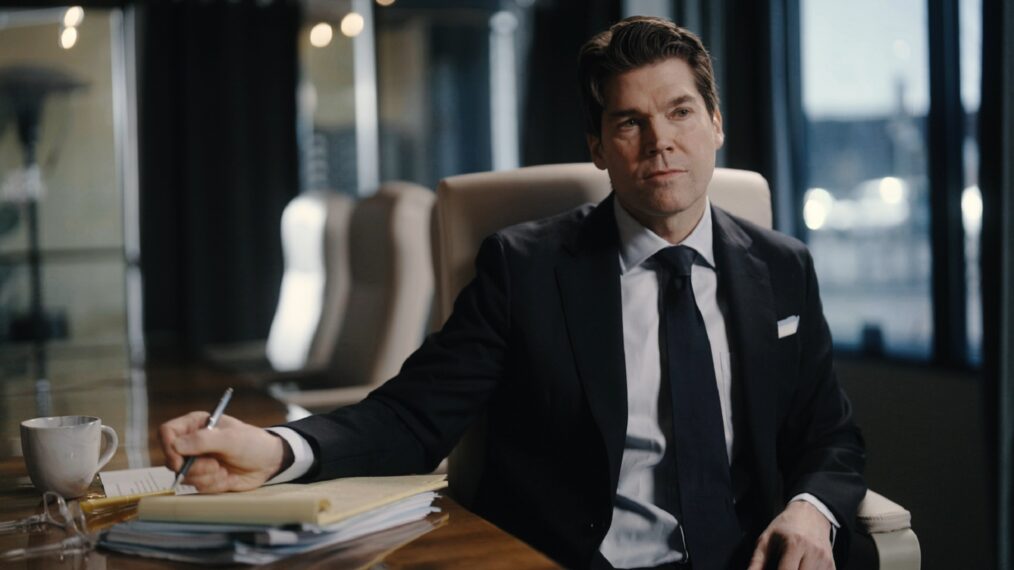
Chris Pixley appearing on the new A&E docuseries ‘Scott Peterson: The New Evidence.’ (A&E)
What would you say was your objective here while working on this documentary series?
It was to take a clear-eyed and even-handed look at this both from the prosecution side and also from the Los Angeles Innocence Project side of defense. We have to ask, are the arguments they are making valid? As someone who has handled these kinds of appeals at this level and in this state, I have to say going through the briefing I was blown away. Having drilled down all of this, it has been eye-opening.
How would you describe your approach?
The approach we’ve taken goes largely to independent experts. Not people who are involved in the state of California or on behalf of the Los Angeles Innocence Project. We sit with these leading experts in the field. Some of whom are behind the leading research and have them look at the specifics of the allegations and do a deep dive with them, literally one element after another. In most cases, the experts we have sat with, it has been really eye-opening. It has been almost four or five months we’ve been doing this. I think going into it I thought we might find one or two issues that may stick, but I’ve been surprised at how robust the Los Angeles Innocence Project’s arguments are. They are running opposition with what I believe has to do with the very public nature of this case more than anything else. I can tell you as an attorney that has handled habeas corpus petitions and done so all the way up to the Ninth Circuit Court of Appeals amended. This isn’t going to go away.
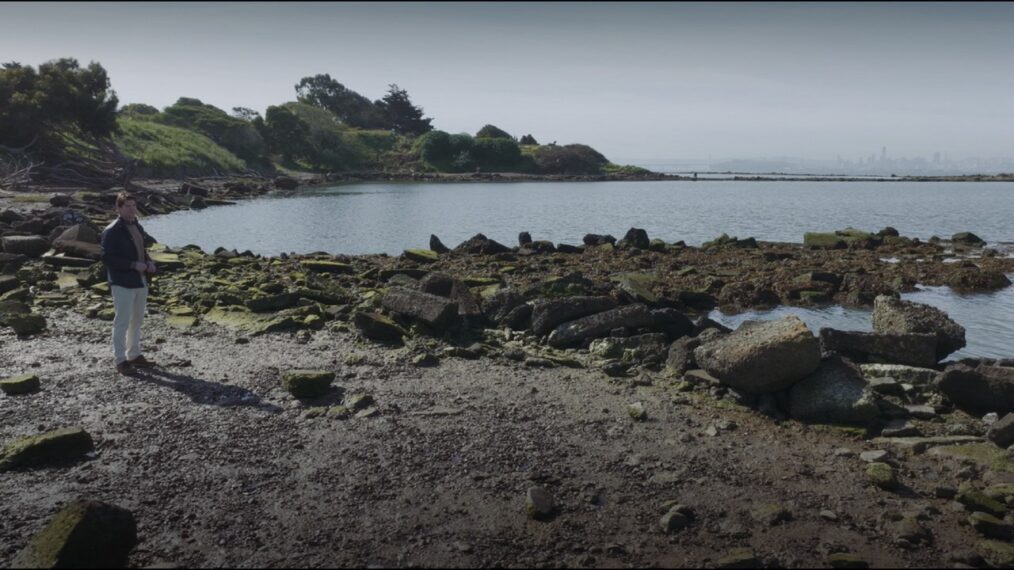
Chris Pixley investigating areas of interest during A&E’s docuseries ‘Scott Peterson: The New Evidence.’ (A&E)
What did you make of the April 27 ruling where the California judge denied the latest attempt to present new evidence. Makes the timing for this documentary even more interesting
I would have expected a lot more out of it. I would be remiss in mentioning the fact Judge Hill was up for reelection during this election cycle. She was on the ballot in California and out of time in terms of kicking the can. I have to believe that it played something of a role. Without throwing stones at her, I will simply say from a procedural and sustenance standpoint her ruling was wrong. I don’t have a problem with anyone publishing that….Judge Hill may be an excellent judge, but she got it wrong.
What can viewers expect to see from the documentary series?
We did everything. We talked to witnesses, examined how a missing person investigation was really turned into a homicide investigation so quickly. We haven’t arrived at that conclusion on our own. This is not a generalist conclusion. That was a conclusion arrived at in talking to some of the academics. What I would say over the course of this series is you’re going to learn all about the eyewitness that the jury and the public didn’t hear from. Some are known and have been known to the public. There is no doubt about that, but some aren’t. You’re going to learn about the decisions that were made on the state side in terms of putting the case together. You’re going to learn a good bit of the science related to the investigation. I think the biggest thing is there is just this massive human element to this. You have investigators, district attorneys in a small town in a small county who are faced overnight with this task of investigating and determining what happened in a missing person case that becomes a homicide case, and they are up against the constant pressure including from the media.
Under that pressure they made some decisions in terms of how they would handle evidence, what they would keep and destroy, what their experts should say and how they would influence all that. Equally, the defense I think this series gives more insight into what the defense was doing also. Not just the prosecution side of the case, which we certainly looked at closely. Also, how the defense unfolded and how this case was being investigated up to and through the time of trial in such a way that it had this unique impact on the way Scott Peterson was defended.
What do you want to say to audiences before they check this out?
I know there are have been as of late a few series that took distinctive positions for the defense or pro prosecution, but I think this series looks at the human element with the kind of pressures everyone was under and how those affected the decisions that were made, the testimony that was given, and how it’s still affecting the case. That includes Judge Hill’s ruling. Our timing on this is right because the Los Angeles Innocence Project’s original [habeas corpus petition] filing was this past August. They bring all kinds of new elements to the case that weren’t there before. While it has gotten some print attention, this involves new information that will be shown.
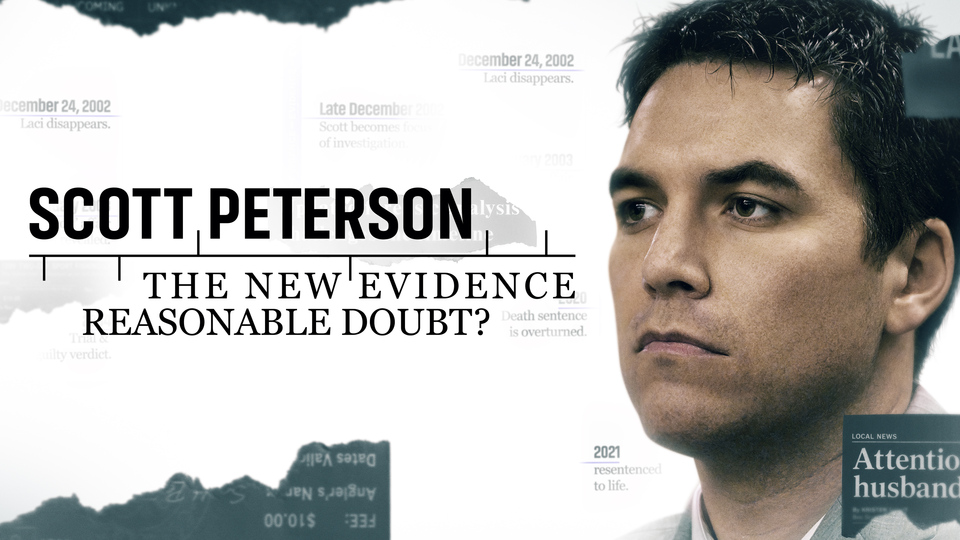
Scott Peterson: The New Evidence Part 1 premiere July 16, 9/8c, A&E
Scott Peterson: The New Evidence Part 2 premiere, July 17, 8/7c, A&E
Where to Stream






Latest Headlines
- Could Scott Peterson Be Innocent? New Docuseries Promises New Evidence on Murder Case
- Will Ferrell Is 'The Hawk,' More 'Descendants,' Revisiting the Scott Peterson Case, Tension Mounts in 'Trigger Point' & 'Criminal Minds'
- Where Is Amber Frey Today? Looking Back at Her Role in the Scott Peterson Case
Conversation
Please read the TV Insider Community Guidelines.
Register or sign in to join the conversation.
 Watchlist Easy access to only the shows you care about — all in one simple place
 Alerts Only important notifications — when a show is returning, when it becomes available to stream, and more.
 Special Offers Exclusive products we release related to your favorite shows and streaming services