
‘Hijack’ Boss Reveals What Season 3 Could Look Like: ‘Is Sam Forever Broken?’



Spoiler Alert
What To Know
- The Hijack Season 2 finale is now streaming on Apple TV.
- The thriller has yet to be renewed, but showrunner JimField Smith talks to TV Insider about what he’d be interested in exploring should it return for Season 3.
Where does Sam Nelson (Idris Elba) go after the ending of Hijack Season 2? That’s the question, and it’s one that we may not see answered onscreen.
The Apple TV thriller has yet to be renewed for a third season, but the second’s finale did just drop on March 4 and it took over five months for the renewal to come after the first ended. When TV Insider spoke with showrunner Jim Field Smith about the finale’s ending, we, of course, had to ask about any plans for a third season. Warning: Spoilers for the Hijack Season 2 finale ahead!
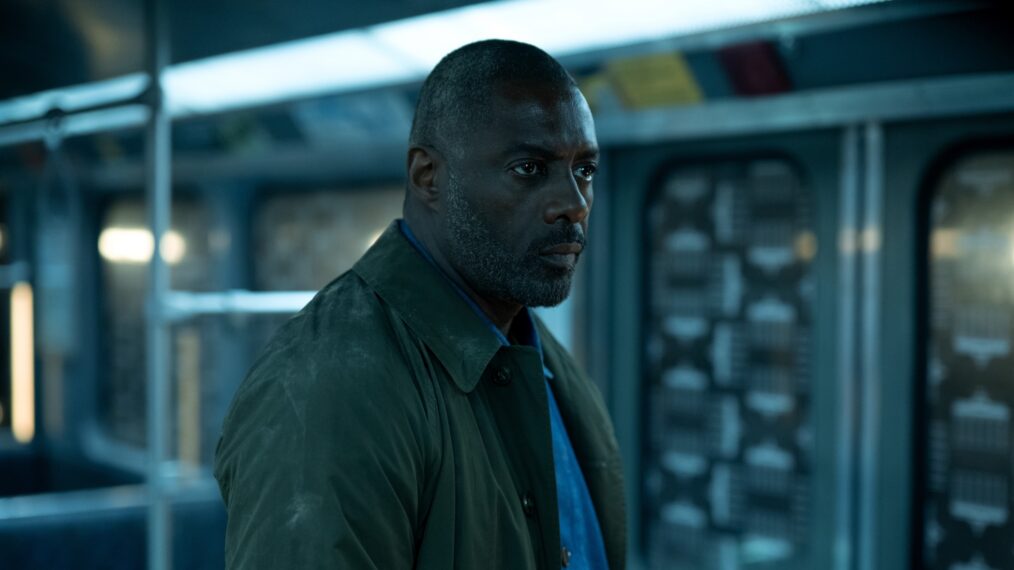
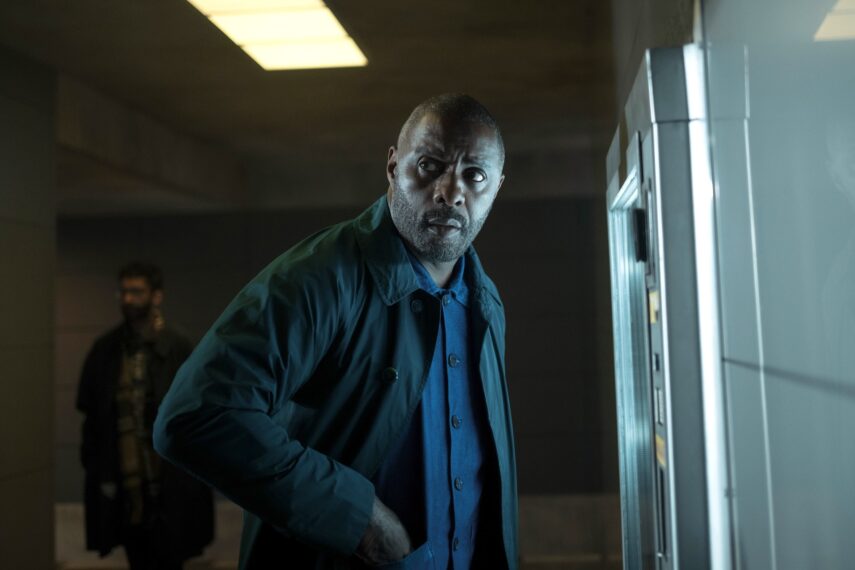
Hijack Season 2 saw Sam the one who took control of a train and held the passengers hostage, all because he was being forced to — by Season 1 hijacker Stuart (Neil Maskell), it was revealed — due to a threat to his ex-wife Marsha’s (Christine Adams) life. Once she was safe and it was safe to do so, Sam did surrender (and the right people were held responsible), but there is still the matter of any potential consequences that he could face for his actions. “You’ve got to imagine that he would presumably be treated with a reasonable amount of leniency,” Smith told us.
Apple TV
But what could we see in a Hijack Season 3, should the series return? Read on for what showrunner Jim Field Smith had to say.
How are you feeling about the chances of a Season 3?
Jim Field Smith: I almost can’t think about it right now. I love Sam as a character. I love making this show. I love all the people that we work with and all the incredible team that we make this show with. I love making a big global hit and to get to do it twice, unbelievable, real honor and pleasure, and to be able to lead this thing and lead all these people over the bridge twice in a row is a real pleasure. And to even hear that question being asked is incredibly flattering. We didn’t think we were going to make two seasons, and then we did. There’s the worry of, are we going to get it right? Is it going to be successful? It feels like we’ve done OK. So, the idea of doing a third one, of course, is not impossible because we managed to do a second one.
In a way, it’s easier to think about a third one than it is to think about a second one because you’ve sort of broken the seal of it, I suppose. Figuring out how to bring the show back a second time was really, really hard. Once you’ve brought Sam back a second time, it’s easier to think about how you can bring him back a third time, I think. But that said, I only finished making the show the end of last year, and here we are talking about it and I haven’t really stepped away from the show at all. These shows take two or three years of my life to make, and if we’re going to go into it again, if we’re lucky enough to be asked to go into it again, for me, I would just want to know for myself not what is it, as in not where are we? Where’s it set? But why are we coming back? What’s the story in it? You can think about what it could be on a logistical level. It’s easy. That’s the easy bit. The hard bit is why, from a story point of view, why?
Speaking of that, what could we see in a Season 3 — from a hijacking, what you’d want to explore with Sam?
I think what’s interesting about Sam is he starts out as a business negotiator, and we never actually see him doing that in the show because obviously in Season 1, he’s coming back from work in Dubai and we assume that he’s been doing some huge deal and we get a flavor of what his sort of business negotiation tactics are, I suppose, in how he talks to the hijackers. We certainly get a flavor of it in Season 2 as well. He obviously has the ability to think a couple of chess moves ahead of other people, or at least let people think the way he wants them to think. So he has that sort of NLP ability, I suppose, but we’ve never actually seen him do that in a work setting.
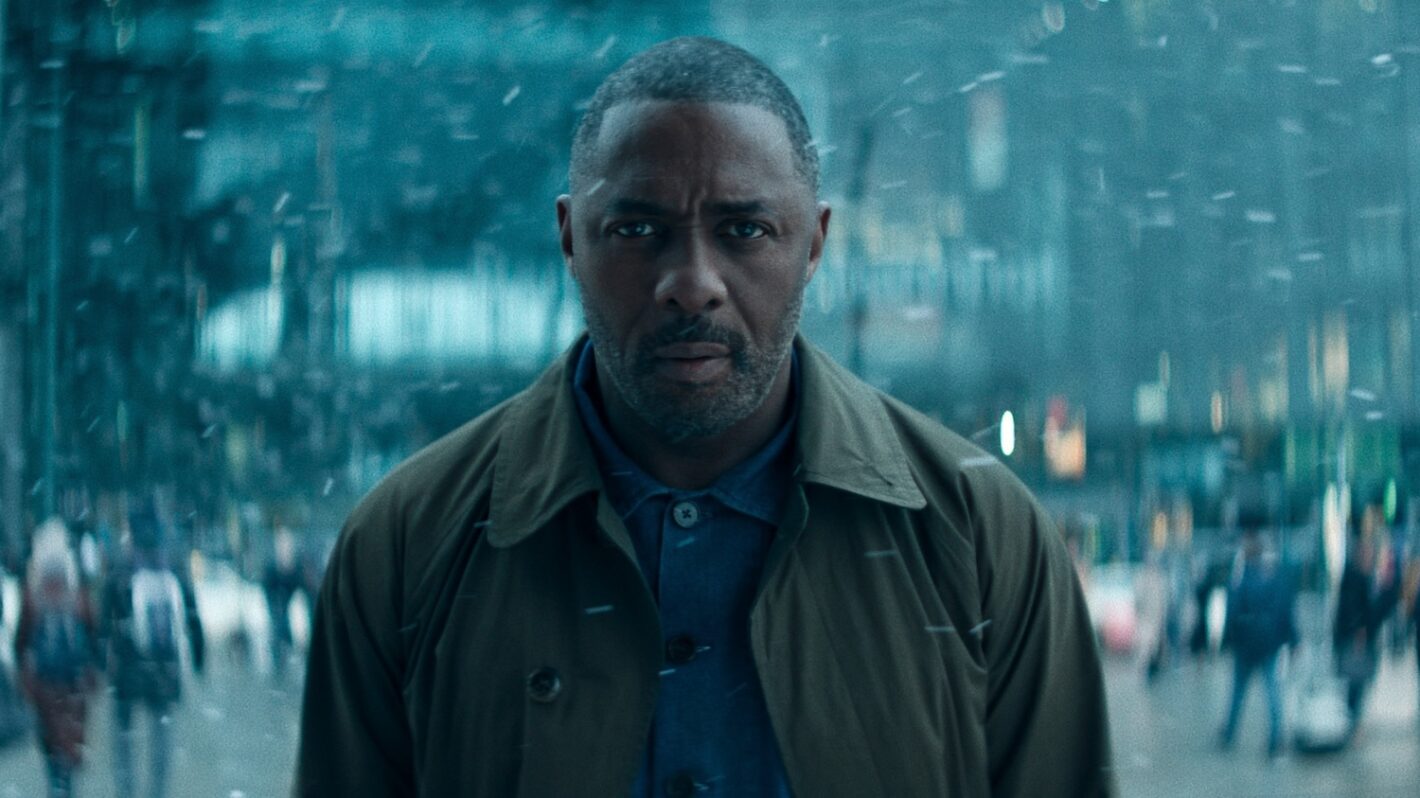
I’m not saying Season 3 is going to be Sam in the workplace, but it is interesting to think about what would happen to Sam. Would he go back to work? Is he forever broken, or would he be able to go back to work with a renewed set of values and a renewed set of skills? Or is he just never going to be able to go back to the negotiating table ever again because it’s all going to seem so trivial compared to what he’s been through? I think there’s some mileage in that. There’s some mileage in going back to his roots and thinking about that because like I said, the setting is almost — it’s not irrelevant because as a director, I have to think about that and think about what’s going to inspire me to build that world. So, it’s not irrelevant, but the thing that always comes first is why?
My favorite moments in the show, for all of the sort of bells and whistles and thrills, are when you’re just with Idris and you can see him thinking. I make a real effort of being as close physically to him as possible and being in his head space and as a director and a camera operator and a writer, and as his friend and collaborator, I want to be inches away from him and putting the pressure on him and making him feel like it’s as real as possible. What’s interesting is seeing him think live, how he’s going to get out of the next little puzzle that he’s got himself into. So, wherever he is, I think that’s the key to the show, is seeing Sam think live and because it’s a real-time show, you can really make that feel like it’s happening live in front of your eyes. He’s making these decisions live. He’s improvising the whole time, basically, as a character.
For the hijack, you wouldn’t go back to a plane, you wouldn’t do a train again?
I wouldn’t do a plane or a train again, no. That’s not to say — If we’re lucky enough to do a third season and we have a great idea that’s set on a plane, for example, I probably wouldn’t do that, but I’m always looking to sort of reinvent myself and push myself harder as a filmmaker and as a showrunner. I’m not interested in just kind of doing more of the same ever. If you look at everything I’ve done, it’s often an iteration or a subversion of the thing I’ve done before, so I’m always looking to take what I’ve learned and kind of either flip it on its head or push it to another level because I’m sort of quite contrary. I tend to make shows where people go like, “Oh God, you’re not going to do” — I made a show for Netflix called Criminal —
Which was so good.
Thank you. And I’m so proud of that. Everyone said to George [Kay] and I, “Oh, you want a TV show set entirely within a police interview room? That’s not going to work. You’re going to want to cut away to other things.” I was like, “No, that’s the whole point. That is the whole point. The devil is going to be in the detail and it puts more into the imagination of the viewer and it’s stronger writing and it’s stronger performances, and we’re going to create this problem for ourselves and in creating a problem for ourselves, it’s going to make the show stronger.”
Apple TV
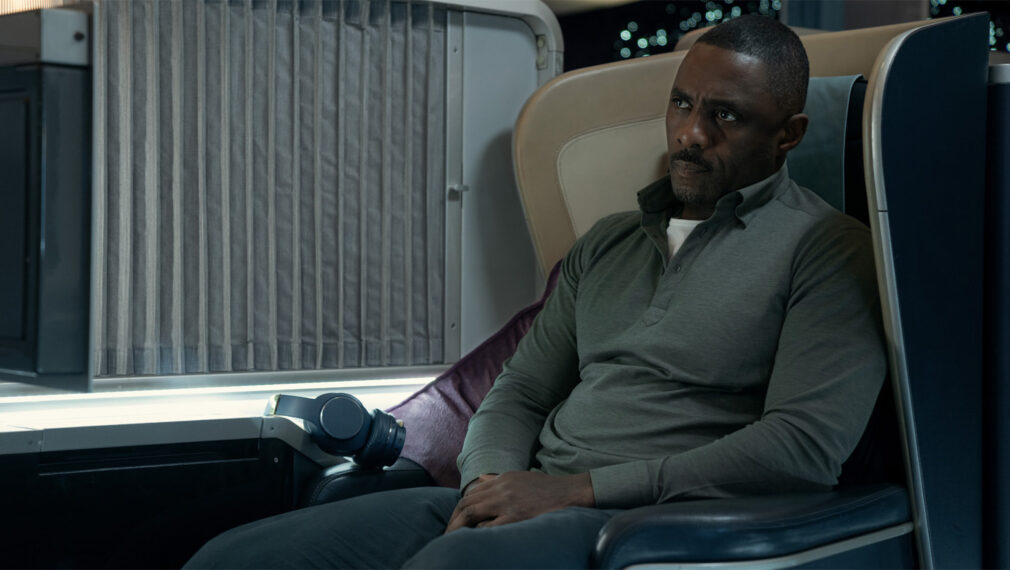
Hijack was a really good case in point of that, of, we’re going to set a hijack drama on an airplane and we’re going to almost never leave that airplane and it’s going to be seven hours and it’s going to be real time. And everybody said, when we started to make it, “Well, you’re going to want as much relief from that plane environment as possible.” So, we had all these storylines that weren’t on the plane, but the reality is when we got to the edit, we were craving the plane material and we were expanding the plane material and we were stretching time as much as we could on the plane and making these moments, these seconds feel like they lasted for minutes. That is what it feels like to be in a situation like that, having spoken to multiple people who’ve been in those situations. And the stuff on the ground as it turned out, we wanted to bash through that as quickly as possible.
The same was true on the train. I love all of the elements of the show. I love all of them equally, but you want to be back with Sam when you’re watching the show. You go to the control room, of course, you need those scenes to understand how everyone’s reacting, but ultimately, you always want to get back to Sam and see what he’s going to do next.
So, when I said, “We’re going to do Season 2 on an underground train,” the collective intake of breath was insane. Everybody was like, “Oh, OK. Oh, that’s a nightmare. Won’t that be a nightmare? That’ll be really claustrophobic.” I’m like, “Yeah, it’s going to be really claustrophobic and that’s why it’s going to be amazing, but also we’re going to do it in a brilliant way. Don’t worry, it’s not our first rodeo. We are going to figure out a way to make it really engaging and believable, and it’s going to be expansive and it’s going to have incredible production value and all that stuff. It’s not going to be lame and dark. You’re going to be able to see what’s happening, don’t worry.”
And so whether I do another season of Hijack or whatever I do next, you’ll tend to find it’s me finding ways to push myself and to sort of almost prove that something can be done that someone else says can’t be done.
Hijack, Seasons 1-2, Streaming Now, Netflix






 Watchlist Easy access to only the shows you care about — all in one simple place
 Alerts Only important notifications — when a show is returning, when it becomes available to stream, and more.
 Special Offers Exclusive products we release related to your favorite shows and streaming services