


‘Sense and Sensibility’: 11 Biggest Book-to-Movie Changes in 2026 Adaptation
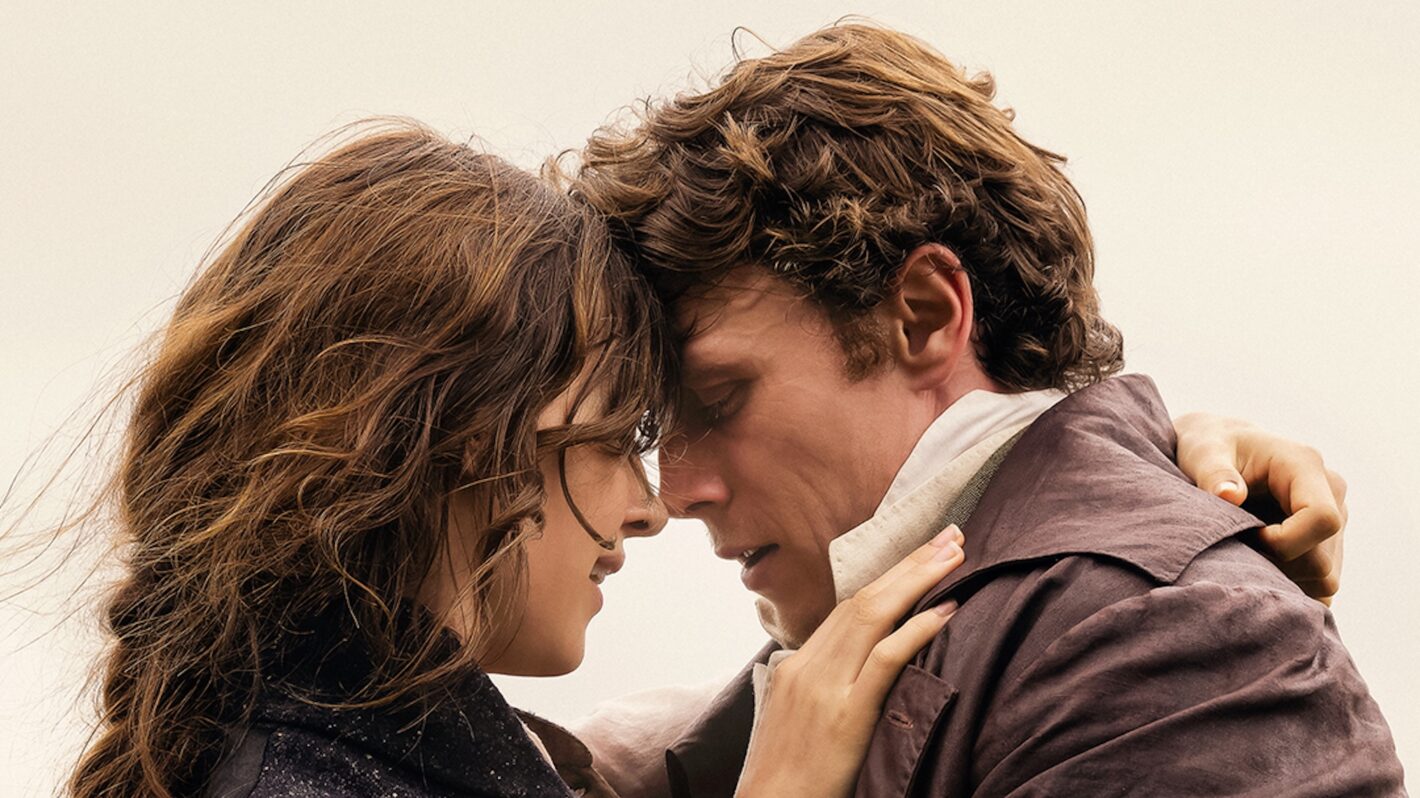
We are truly being spoiled with period dramas this year! Honestly, we’re eating well: yearning, ye olde English, and courtship galore — take that, Tinder. From The Other Bennet Sister to Wuthering Heights, we’ve been frolicking through the English countryside with glee. And now, we’re back with yet another Jane Austen adaptation. Complaining? Absolutely not.
While we wait for Netflix’s Pride and Prejudice, we’ve got Sense and Sensibility once again to keep us entertained.
On a scale of Mr. Darcy’s hand clench to Dakota Johnson‘s Persuasion (shudder), we’re actually pleasantly surprised. There’s plenty to enjoy, and we’d happily rewatch it on a rainy day. But when it comes to staying faithful to Austen’s novel, we do have a few qualms to discuss with our fellow Austenites. (Warning: Spoilers ahead!)
1. Poor girlies
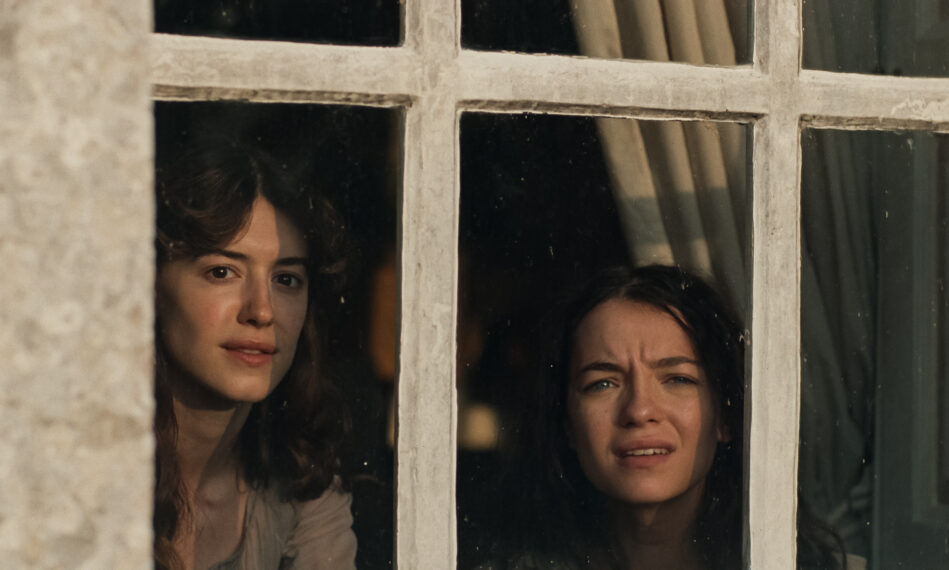
The movie portrays the Dashwood family as considerably poorer and more destitute than they are in the novel, seemingly prioritizing an earthy, stripped-back aesthetic over the exact mechanics of Austen’s plot.
In the book, the family is certainly feeling the financial pinch, but they’re hardly poverty-stricken. Even after moving to Barton Cottage, the Dashwoods manage to keep two servants. The film, however, has them largely fending for themselves, which makes their circumstances feel far more dire.
Focus Features
This was perhaps a practical choice to cut down on additional characters and lean into the film’s rustic, earthy aesthetic. But it also changes something important about the Dashwoods: They’re meant to be financially constrained, not completely destitute. And by pushing them further into poverty, the adaptation arguably loses some of the nuance of Austen’s characters and their social position.
2. A more serious tone
The film leans heavily into a muted, earthy landscape, with Dartmoor getting almost as much screen time as the Dashwood sisters. While it’s undeniably pretty, the emphasis on windswept hills and moody nature comes at the expense of the polished Regency drawing-room satire and social comedy that make us kick our feet while reading.
At times, the whole thing feels more Thomas Hardy than Jane Austen — especially with the washed-out color palette and, dare we say it, the occasional sepia filter. There are plenty of gorgeous shots of the landscape, but sometimes it feels like the scenery is taking precedence over the story. This is an inside story, it isn’t Wuthering Heights.
It’s especially a shame because Austen is so funny. Her writing is sharp, biting, and packed with irony, particularly when she’s skewering the ridiculousness of Regency society. We got a much better sense of that in the most recent Emma adaptation, which understood that an Austen adaptation can be yearning and comedy. Sense and Sensibility, meanwhile, takes itself a little too seriously, and sadly loses some of Austen’s signature wit along the way.
3. Marianne
Austen’s Marianne is certainly passionate, romantic, and sensitive, but the new film (played by Esmé Creed-Miles) takes her wildness to another level. Instead of a spirited young woman navigating the restrictions of polite Regency society, she often feels like she’s one minor inconvenience away from running barefoot into the woods. Hard relate, but not the time and place.
And that distinction matters. Austen’s heroines are daughters of gentlemen. They’re ladies, and they exist within a very specific social world — one governed by manners, money, reputation, and, of course, the marriage market. Marianne may push against those rules, but she’s still a product of them.
In this adaptation, though, that carefully constructed social world sometimes feels like an afterthought. We get less of the young woman trying to reconcile her romantic ideals with the expectations placed upon her, and more barefoot-in-the-woods Marianne. It’s giving Emily Brontë’s Cathy.
4. Edward Ferrars’ engagement
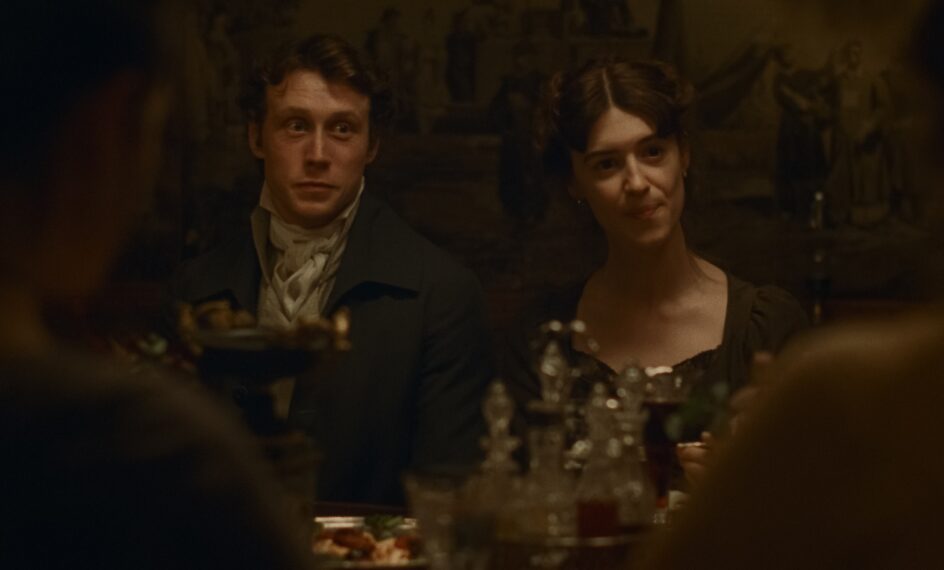
In the novel, Edward’s secret engagement to Lucy Steele is a binding personal choice that he made independently. The 2026 film changes this by making the engagement parentally arranged, which makes Edward (George MacKay) considerably more sympathetic to a modern audience.
But Edward isn’t supposed to be a Knightley or a Darcy. He’s not the swoonworthy, morally assured Austen hero who always knows the right thing to do. He’s someone who fell in love and got engaged far too young, and that’s precisely what sets him apart from Austen’s other romantic leads. His commitment to Lucy (Ceara Coveney) is supposed to be a mistake of his own making — one he knowingly maintains, even as it causes problems for Elinor (Daisy Edgar-Jones).
By turning the engagement into something imposed upon him, the film makes Edward’s situation seem more noble. He’s simply honoring an obligation he never chose. But in the novel, he’s not merely a victim of circumstance. He knowingly misleads Elinor, and that moral messiness is an important part of his character. Let him be flawed!
Focus Features
The film also rushes Lucy and Elinor’s friendship compared with the novel and other adaptations, which makes Lucy revealing her secret engagement feel slightly premature.
5. Romance over societal expectations
There’s a clear shift in how much agency the characters are given, with the film moving away from the traditional Regency constraints and social pressures that shape Austen’s story. Instead of letting those restrictions drive the characters into difficult compromises, the adaptation often streamlines the romantic resolutions to better fit modern ideas about love and choice. Very East of Eden, if you ask us.
It makes the story feel more immediately accessible, but it also takes away some of what makes Austen so interesting. These characters aren’t supposed to have unlimited freedom to simply follow their hearts. They’re navigating money, family, reputation, and the very real pressures of the marriage market. Take away those constraints, and you inevitably change the choices they make.
6. Inaccurate styling
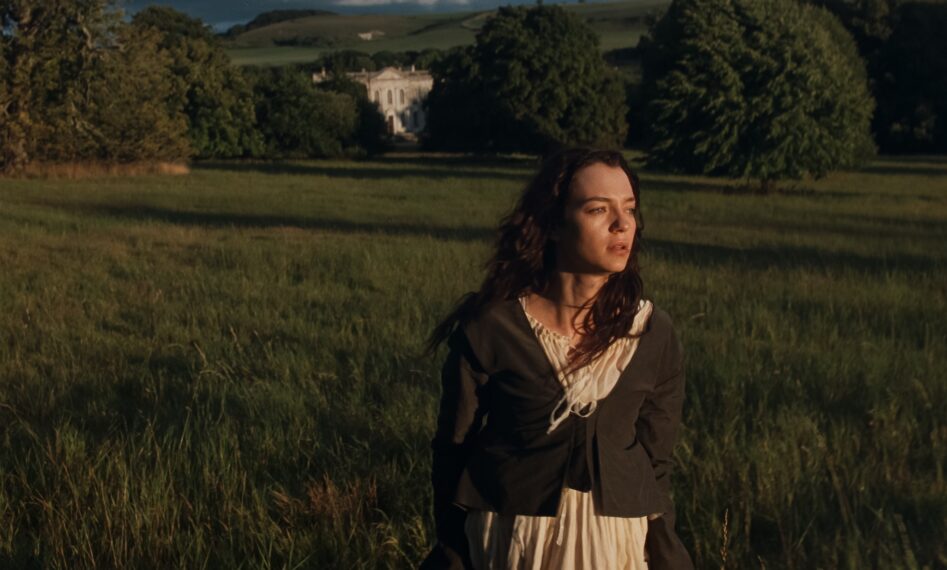
Many have pointed out that the disheveled, deliberately unpolished styling — particularly Marianne’s — feels far removed from how a proper young lady would have presented herself in high Regency society. And honestly, some of the outfits are downright unappealing. Can someone brush Marianne’s hair?! Please. Please.
Focus Features
Speaking of hair, there’s also the question of accuracy. Having unmarried women wandering around with their hair loose doesn’t exactly fit the period. For a story so concerned with Regency society, it’s a surprisingly noticeable departure from the conventions of the time.
That said, there is an argument for the film’s approach. The costumes are designed to feel lived-in, intimate, and practical. Shared garments, natural materials, softer textures, and less polished styling all help make the Dashwoods’ financial precarity visible. These are clothes that have been altered, borrowed, and passed between women, not simply pristine costumes designed to look pretty on screen. We will admit we respect that detail.
So, while the styling may not be historically accurate, it does serve the film’s earthy, stripped-back aesthetic. We just wish that aesthetic didn’t have to come at the expense of Marianne owning a hairbrush.
7. Sisterhood
If the 1995 film was a love story about its romantic couples, the 2026 adaptation is arguably a love story about sisterhood. Georgia Oakley places Elinor and Marianne’s relationship at the emotional heart of the film, making their bond the driving force through grief, financial uncertainty, and social upheaval.
Their relationship was always the foundation of Austen’s novel, but this adaptation puts it front and center. Their arguments, loyalties, tenderness, and mutual dependence become just as consequential as their relationships with Edward, Willoughby (Frank Dillane), and Colonel Brandon (Herbert Nordrum).
It’s a distinctly modern take on Austen, the idea that romantic love isn’t the only force capable of transforming a life. Here, the love between sisters is just as powerful, and sometimes even more important, than the romantic relationships surrounding them. We actually like this detail, and think Austen would, too.
8. The duel
In the novel, the duel is a very minor plot point that happens off-page. The film, however, gives it considerably more weight, suddenly raising the stakes in a way that feels completely at odds with the rest of the story. The tonal whiplash is so dramatic that it’s almost funny.
Elinor and Willoughby are interrupted by Colonel Brandon while discussing Marianne’s illness and his feelings for her. And rather than simply having that emotional conversation play out, the film suddenly pivots to — you guessed it — a duel between the two men. Yep, men be fighting.
It makes for a more dramatic sequence, but it feels oddly disconnected from Austen’s story and the emotional arc that’s actually happening. More importantly, the duel takes up precious screen time that could have been given to Marianne’s much more important moment of growth. This near-death experience causes her to think hard about her life. Her emotional development is central to the story, so watching the film spend so much time on a fight that Austen barely bothers to show feels like a strange choice.
9. Willoughby
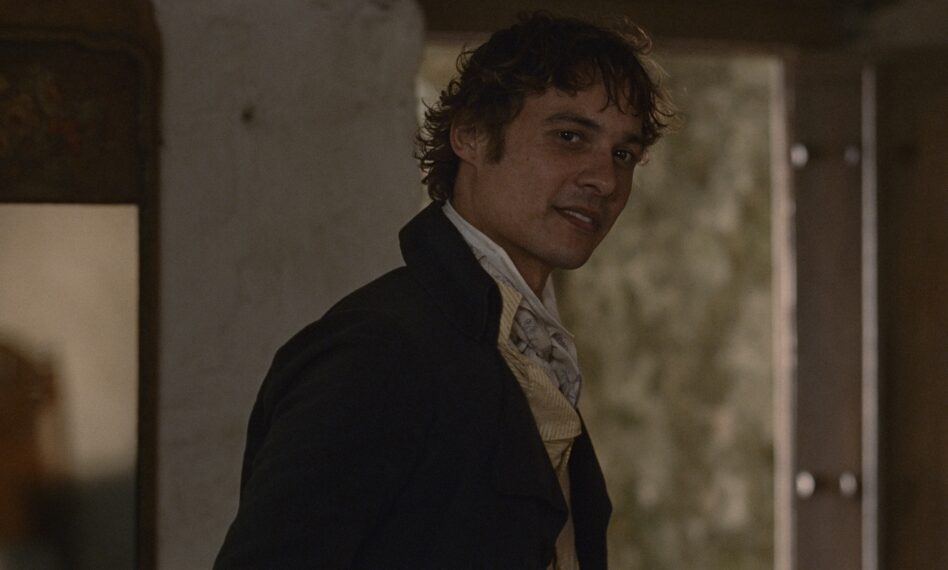
Another interesting change is the identity of the woman Willoughby seduces. In the novel, she is Colonel Brandon’s teenage ward, whom he seduced and abandoned, but the film makes her a widow. It seems this is to make him at all redeemable.
Focus Features
Even when he is expressing his love for Marianne to Elinor in the novel, he is supposed to speak terribly of Eliza and his wife, lessening her pity for him. Now he’s portrayed as a decent man.
10. Margaret
Margaret (Bodhi Rae Breathnach) also feels considerably closer in age to Elinor and Marianne in the film than she does in Austen’s novel. She’s involved in conversations about finding a rich husband and seems much more aware of the marriage market, which makes her feel less like the young, impressionable sister we meet in the book.
There’s also a pretty glaring Regency etiquette issue: Margaret attends balls with her sisters. In Austen’s world, this shouldn’t really be possible because she hasn’t yet been formally introduced into society. She wouldn’t be out and eligible to participate in the marriage market in the same way as Elinor and Marianne.
It’s another small change, but one that shifts the family dynamic and makes Margaret feel much more like a third Dashwood sister navigating romance than the much younger girl Austen intended her to be.
11. Elinor
Honestly, Lorde may as well have written “Favourite Daughter” for Elinor Dashwood. She is the archetypal responsible older sister: composed, sensible, self-sacrificing, and perpetually putting everyone else before herself.
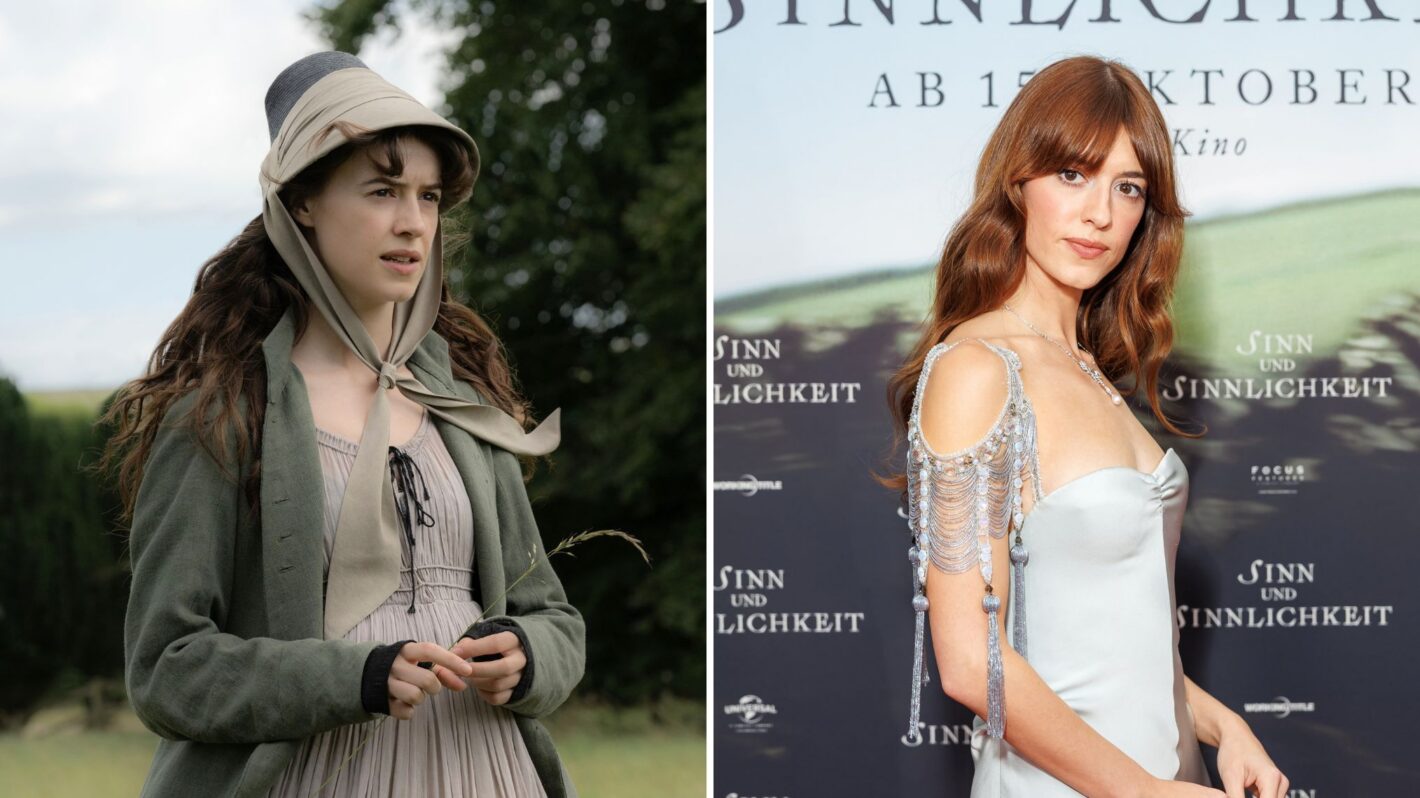
But while previous Elinors, like Emma Thompson in the 1995 film, have bottled up their emotions until the eventual release becomes almost unbearably moving, Edgar-Jones makes us feel the daily effort required to keep everything together. Her restraint isn’t simply a matter of virtue or good manners; it’s emotional labor.
We see Elinor constantly managing her own feelings while simultaneously looking after her mother and sisters, navigating financial uncertainty, and trying to maintain some semblance of dignity. It makes her composure feel less effortless and more exhausting, which gives this version of Elinor a particularly modern resonance.
Sense and Sensibility, In Theaters