
Pola Negri

Actress • Singer
Birth Date: January 3, 1897
Death Date: August 1, 1987 — 90 years old
Birth Place: Lipno, Poland


write about them.
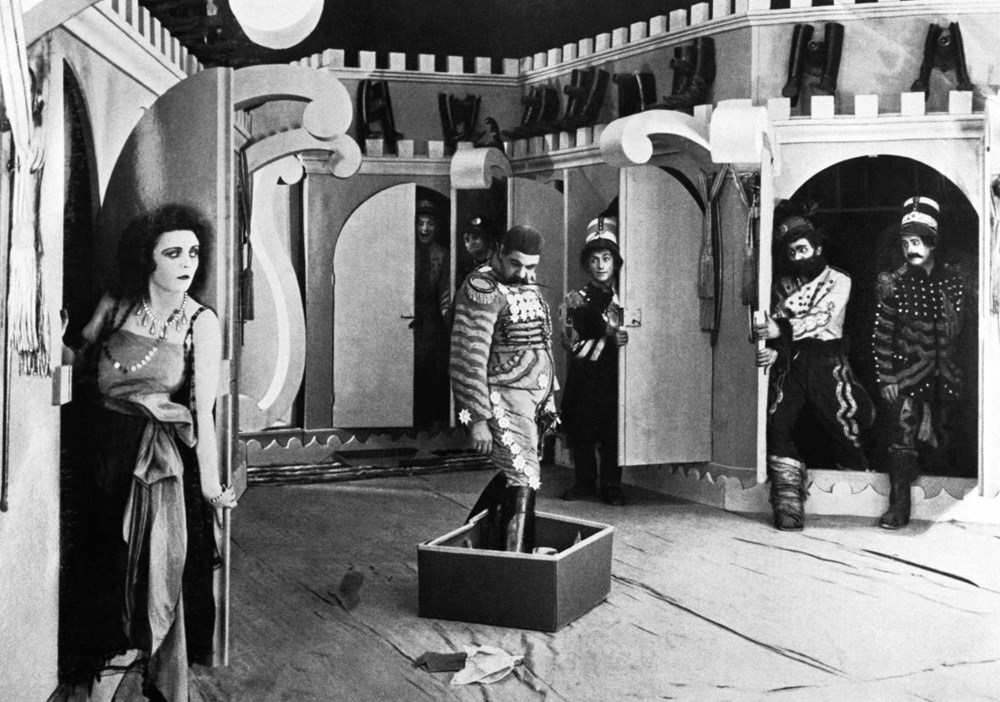
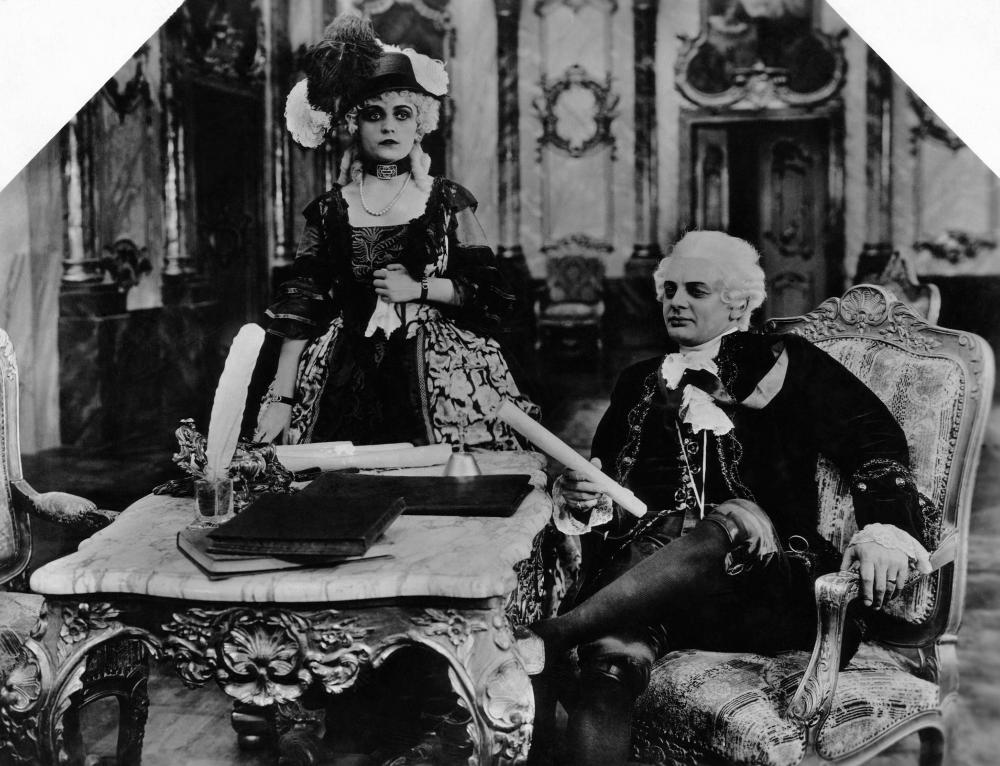
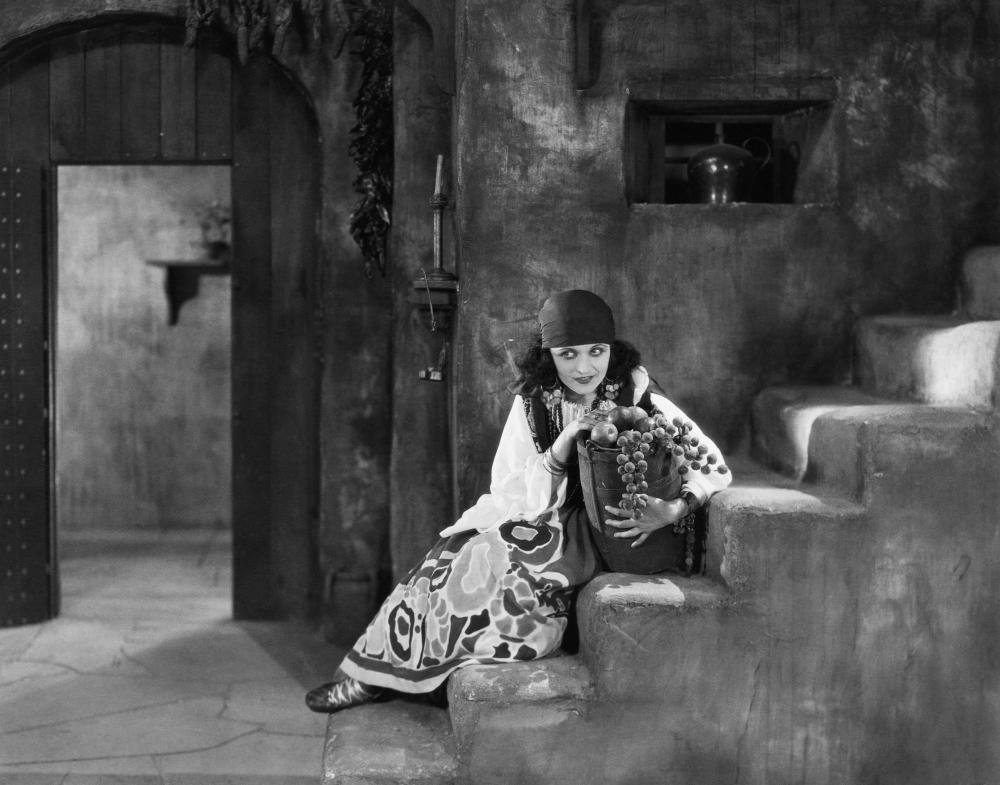
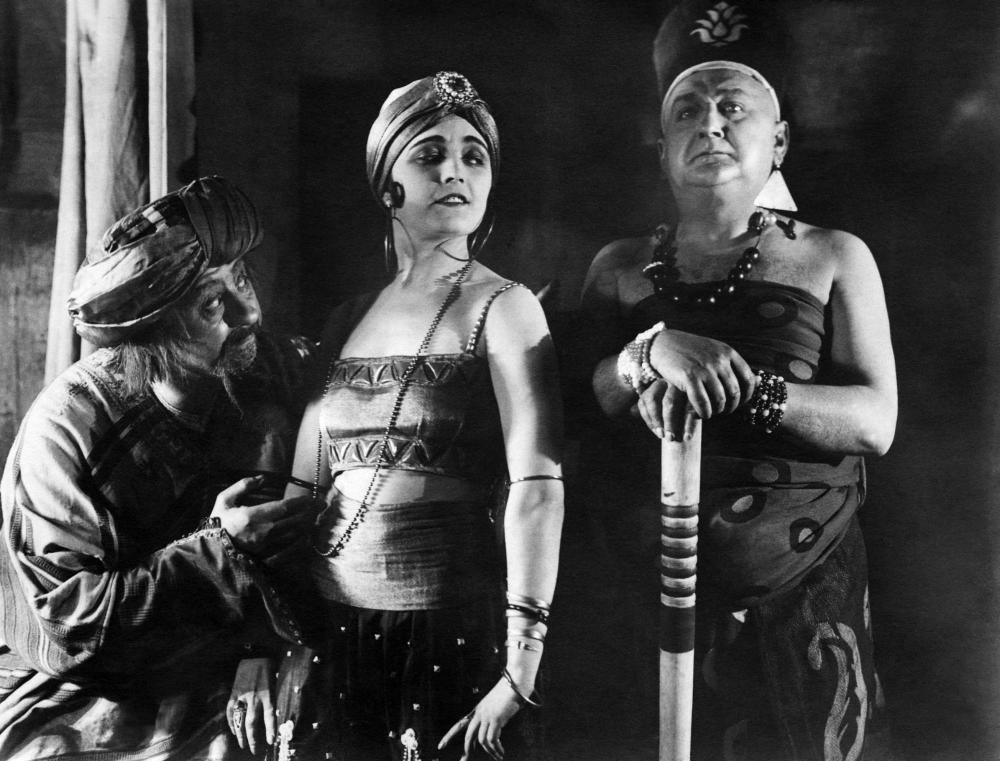
After earning international acclaim in both Polish and German cinema, actress Pola Negri went to Hollywood where she became one of the most tempestuous, glamorous and bizarre stars of the silent era. Negri initially became famous in Europe, thanks in large part to her collaborations with noted German director Ernst Lubitsch on films like "Carmen/Gypsy Blood" (1918), "Madame DuBarry/Passion" (1919) and "Sumurun" (1920).
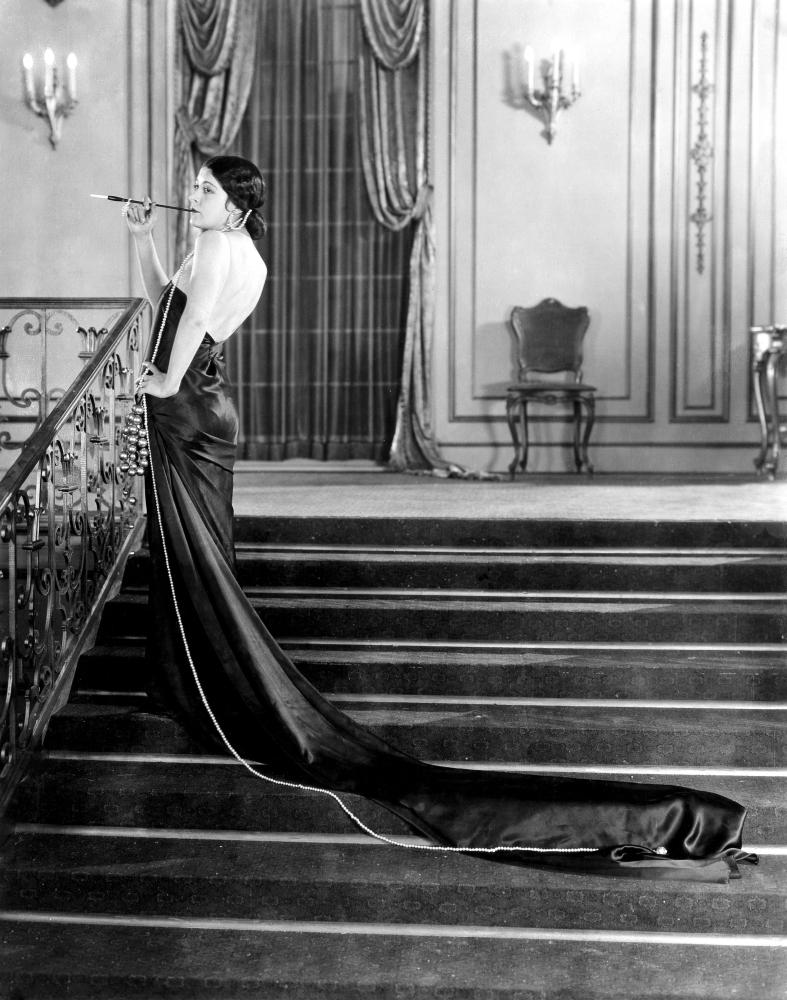
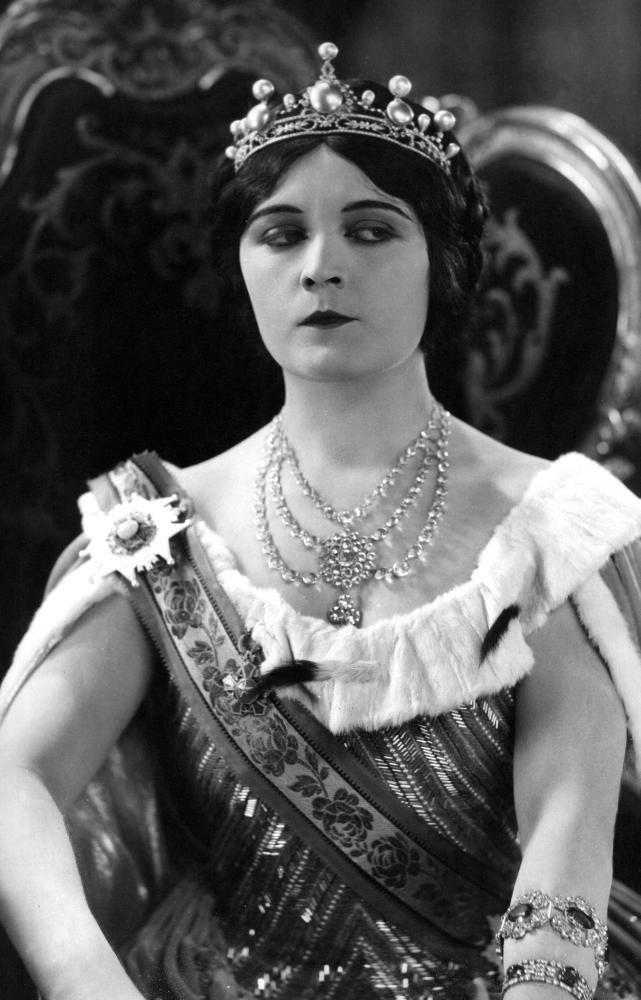
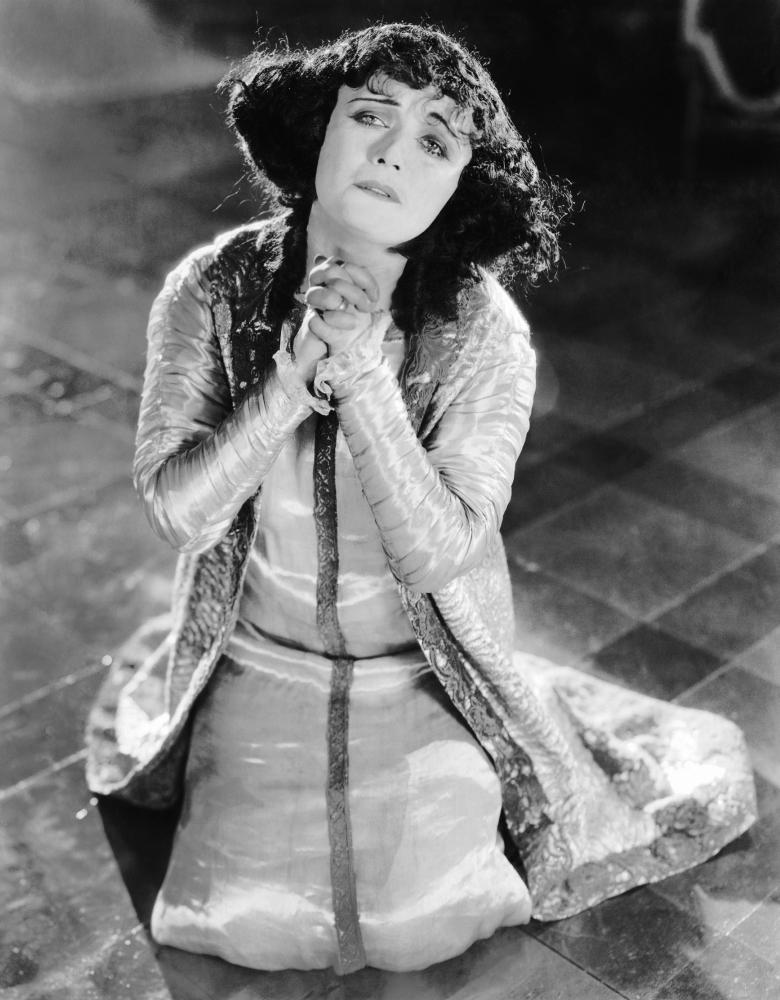
She arrived in Hollywood in 1923 and made an immediate splash as the star of "Bella Donna" (1923), "The Spanish Dancer" (1923) and "Forbidden Paradise" (1924). Her extravagant lifestyle and elaborate fashion made her an instant hit, while her high-profile romance with Rudolph Valentino made her more famous than her movies did. Her fainting spell at his funeral in 1926 marked a souring of her image, since the press dubbed such antics as nothing more than a publicity stunt.
Regardless, Negri continued to find success on the screen with "Hotel Imperial" (1927) and "Barbed Wire" (1927), but like most silent actors, was unable to gain a foothold in the sound era. She retreated to Europe in the 1930s, where she maintained a small degree of success, only to largely retire from filmmaking altogether. Negri made two more Hollywood movies - "Hey Diddle Diddle" (1943) and "The Moonspinners" (1964) - only to live out the rest of her days in Texas with oil heiress and alleged lesbian lover, Margaret West, leaving behind a legacy that inspired both fascination and confusion.
Born Barbara Appolonia Chalupiec in Janowa, Prussia, Negri was raised an only child by her father, Jerzy, an immigrant tinsmith, and her mother, Eleanora. As a child, her father was arrested for subversive political activities and sent to Siberia, forcing her mother to move to Warsaw, Poland where Negri grew up extremely poor. Luckily, she displayed dance talent and was accepted into the city's Imperial Ballet School where she studied dance.
Negri made her debut in the chorus of Tchaikovsky's "Swan Lake" and soon advanced to solo ballerina, before a bout with tuberculosis ended her dance career. Following her recovery at a sanatorium, Negri enrolled at the Imperial Academy of Dramatic Arts and made her stage debut in a Warsaw production of "Hannele" (1913). She also began making movies with "The Polish Dancer" (1914), "Wife" (1915), "The Yellow Pass" (1915), "Bad Girl" (1916), "Room #13" (1917) and "His Last Gesture" (1917).
Around this time, she came to the attention of German director Max Reinhardt, who cast her in the stage production "Sumurun" (1916-17). Soon after, Negri moved to Berlin and began her film career in earnest.
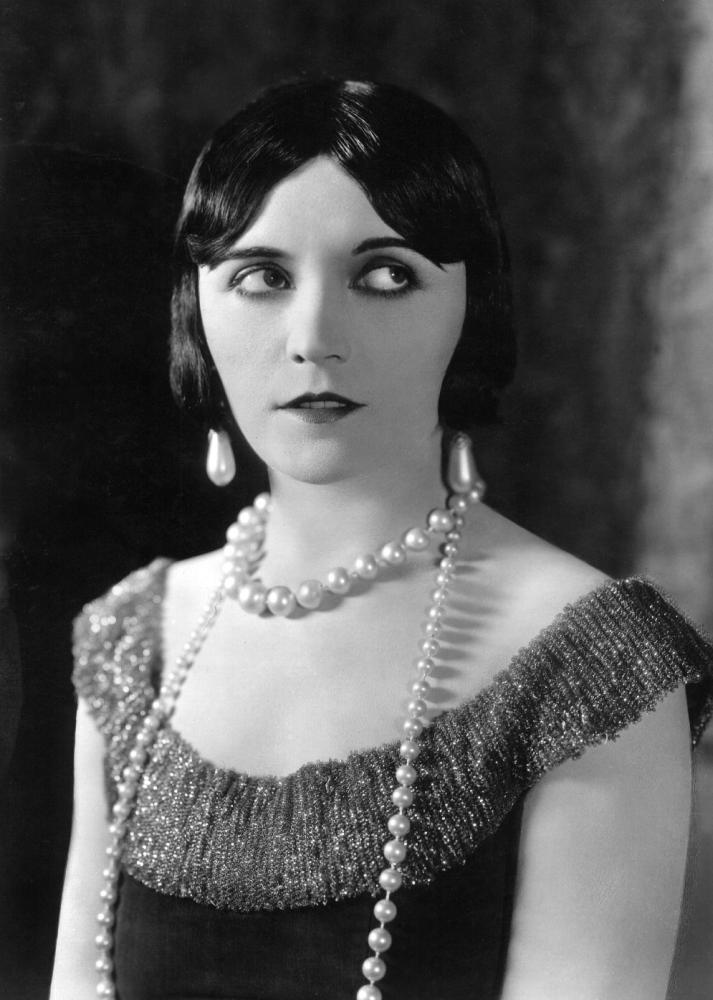
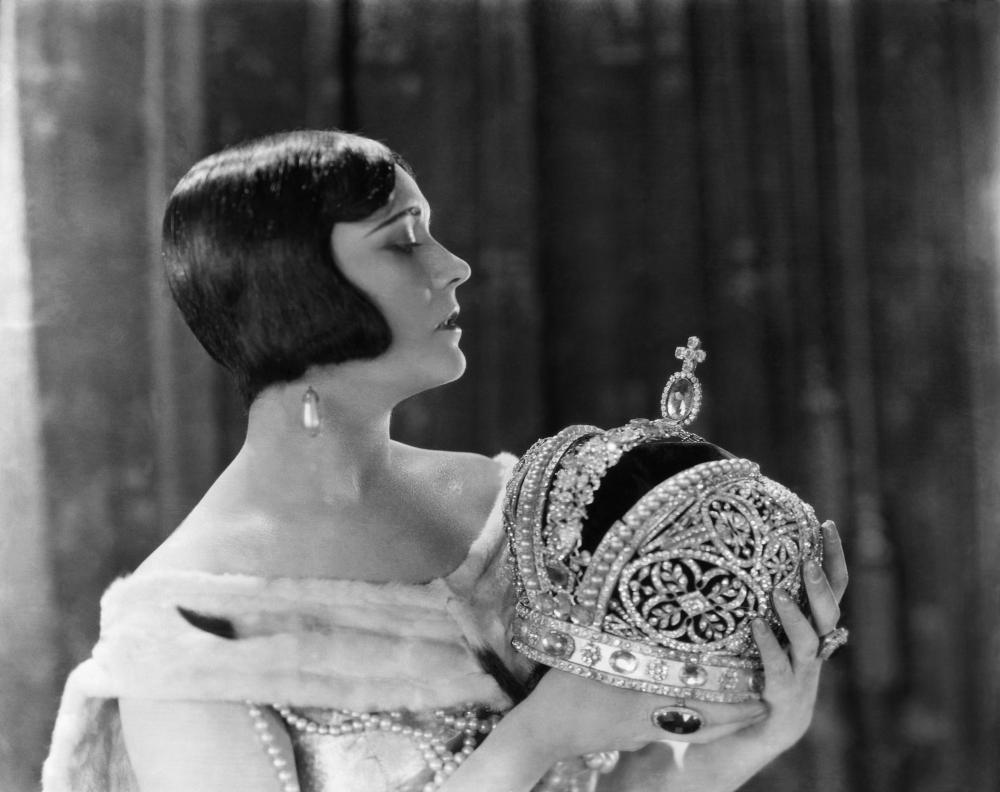
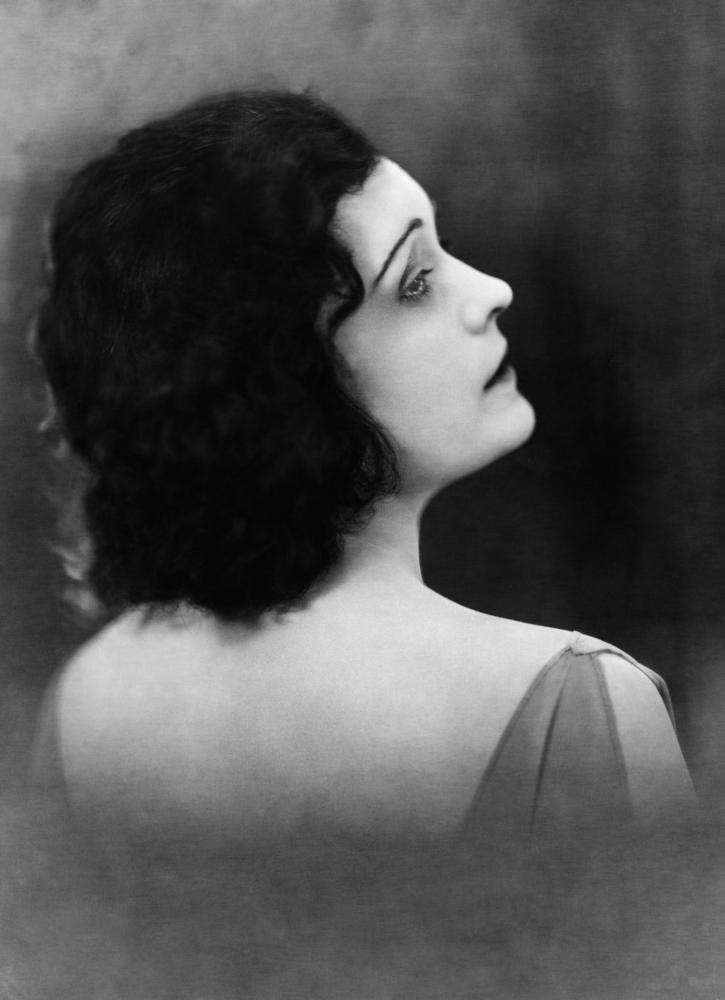
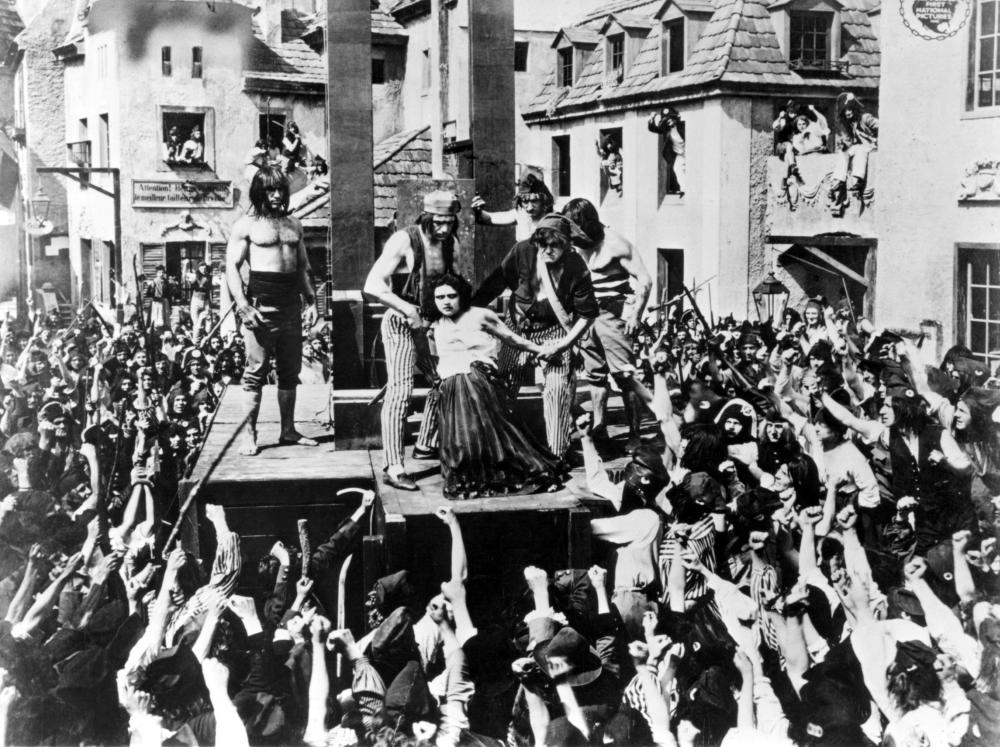
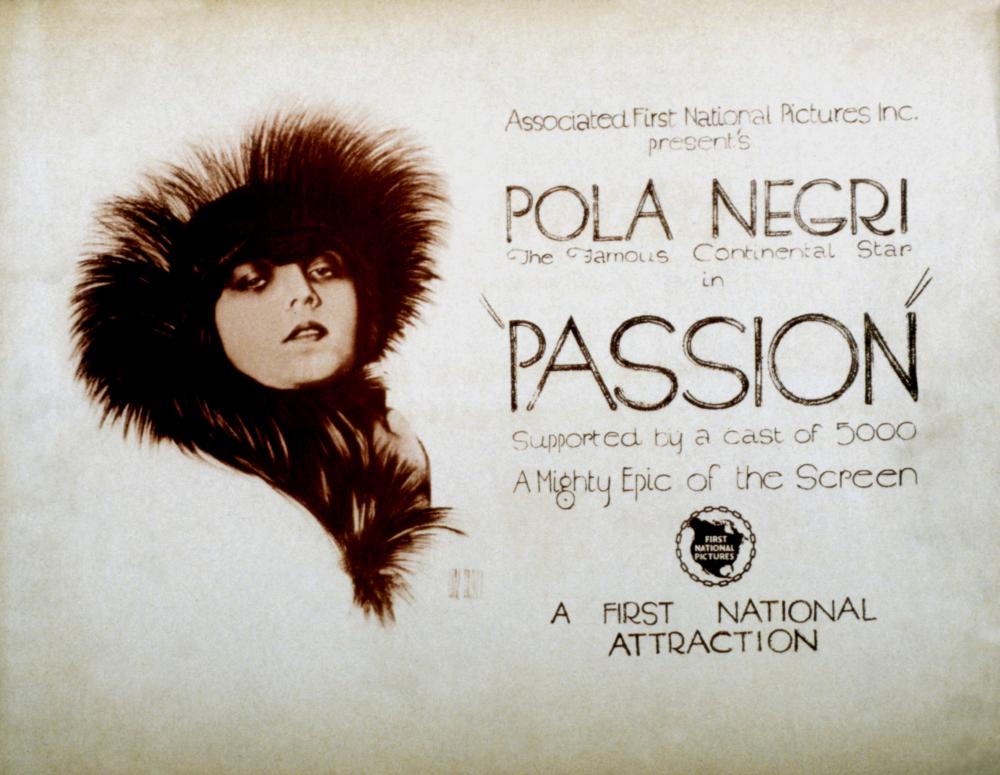
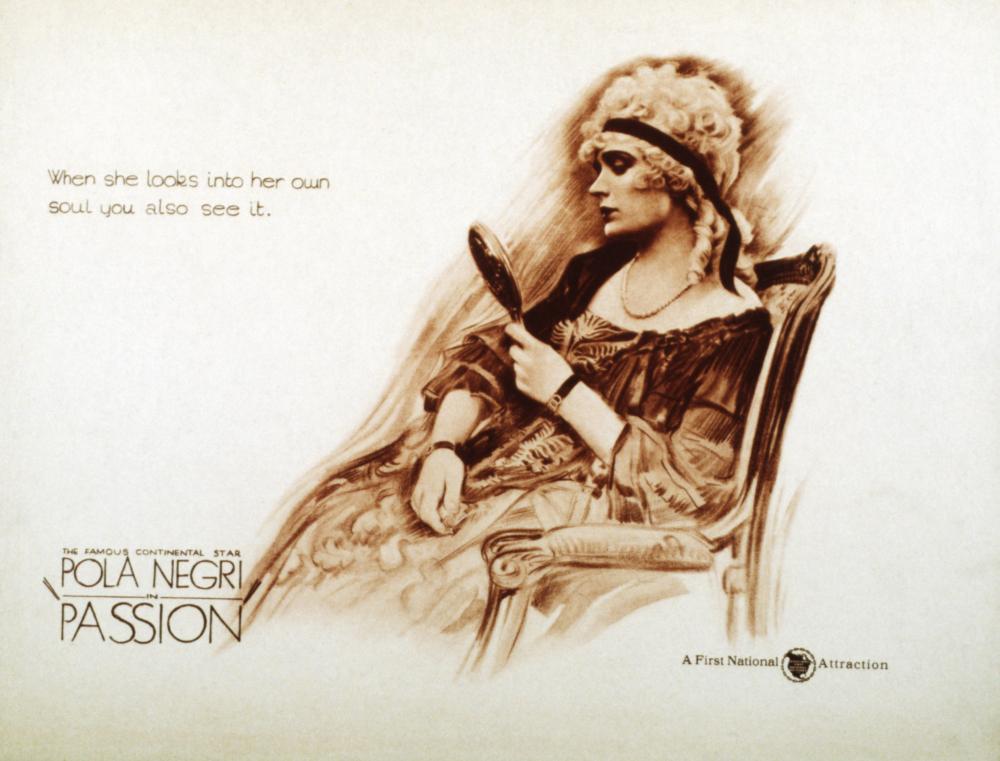
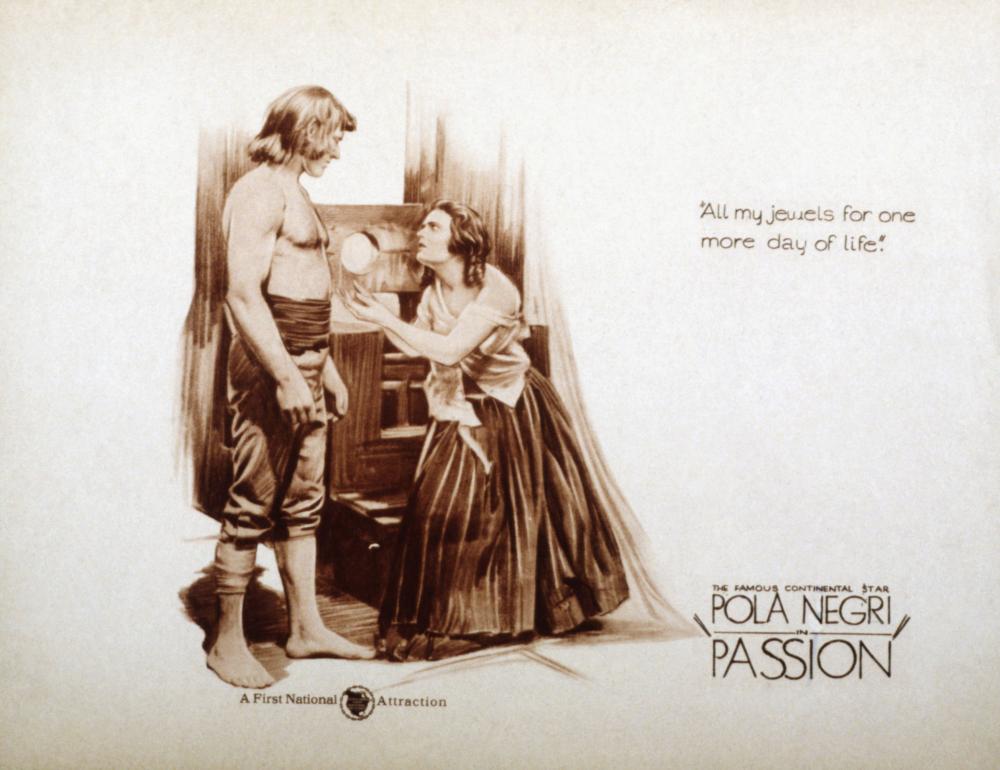
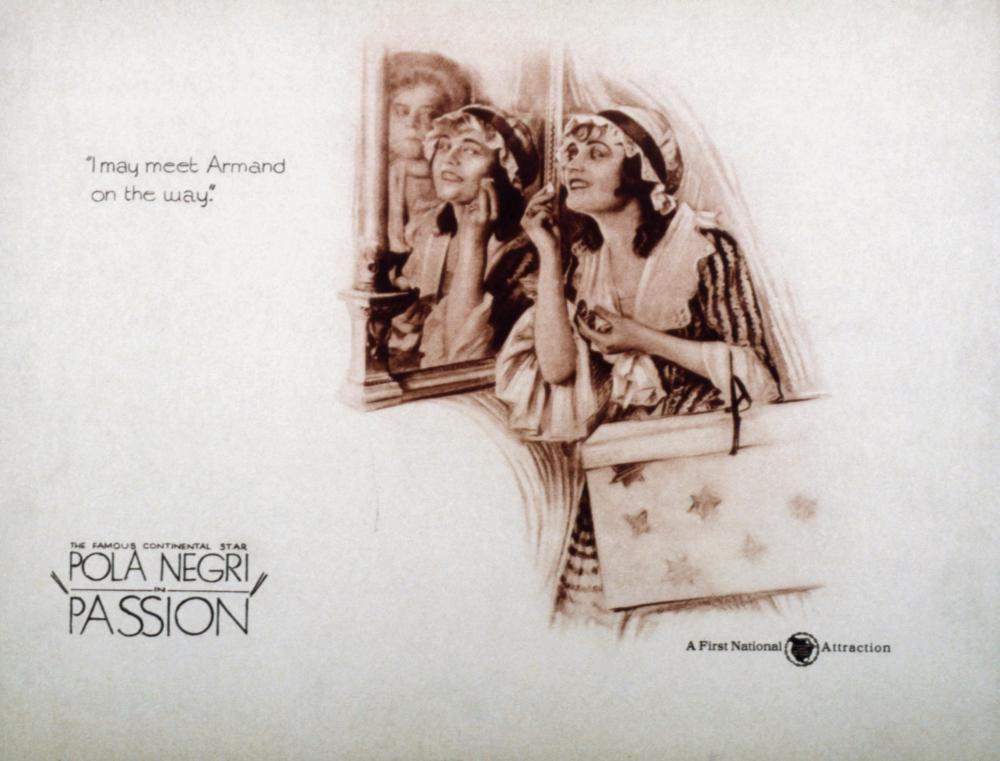
Exotically pretty with pale skin and raven hair, Negri made about a dozen films in Berlin and quickly became an international star, thanks to successes like "Carmen/Gypsy Blood" (1918), "The Eyes of the Mummy Ma" (1918) and "Madame DuBarry/Passion" (1919), all of which were made by up-and-coming director Ernst Lubitsch. In fact, "Passion" was an extraordinary collaboration that helped open up German cinema to cities like Paris and New York, as well as made Negri an international star.
She went on to make several more pictures, including Lubitsch's adaptation of Reinhardt's play, "Sumurun" (1920) and "The Mountain Cat" (1921), before Hollywood came calling in 1923. She signed a long-term contract with Paramount Pictures and threw herself enthusiastically into becoming a movie star, making her American debut with "Bella Donna" (1923) and following up with such sophisticated fare as "The Spanish Dancer" (1923), Lubitsch's "Forbidden Paradise" (1924), "Flower of Night" (1925) and one of her few comedies, the very funny "A Woman of the World" (1925).
Most were largely forgotten with time, but her collaborations with European directors - namely Lubitsch on "Forbidden Paradise" - were typically better uses of her talents.
During her spare moments, Negri was an active part of early Hollywood's social scene, setting fashion standards and engaging in high-profile romances with Charlie Chaplin, Prince Serge Mdivani, whom she briefly married, and the Latin Lover himself, Rudolph Valentino. Indeed, her outlandish lifestyle and pretentious pronouncements often overshadowed the actress' very real talent, and led to longstanding rumors that her romances with men were cover for her more illicit affairs with women.
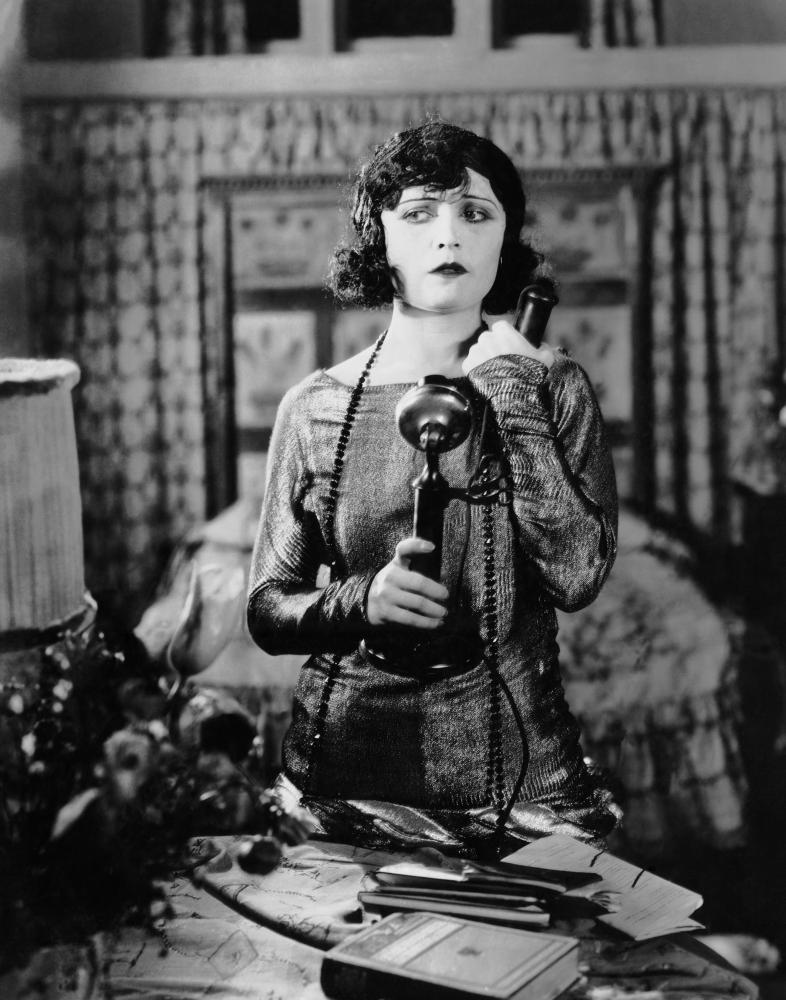
But her brief romance with Valentino overshadowed all, as she became more famous for her relationship with him than for her own movies. When he died in 1926 of a perforated ulcer and blood poisoning, her histrionics - including fainting at the funeral and claiming they were engaged despite no proof existing - became the stuff of legend. Meanwhile, Negri had several late-silent era successes with Mauritz Stiller's "Hotel Imperial" (1927) and Rowland V. Lee's "Barbed Wire" (1927), but her charms had already begun to wear on the American public.
Though she made several talkies like "A Woman Commands" (1932), "Mazurka" (1935) and the German-made "Madame Bovary" (1937), her career essentially ended during the advent of the sound era. She spent much of the 1930s in Europe making a handful of other movies before returning to the United States in 1943.
Ensconced back in Hollywood, Negri made two more films, the absurdist comedy "Hi Diddle Diddle" (1943), in which she played an egotistical opera singer, and Disney's "The Moonspinners" (1964), where she was an eccentric millionaire opposite child star Hayley Mills.
She retired to San Antonio, TX, where she lived with oil heiress Margaret West, with whom she was rumored to have been having a lesbian affair. Negri remained with West until the heiress' death in 1963, wrote her autobiography Memoirs of a Star (1970), haughtily refused interviews, and died on Aug. 1, 1987 from pneumonia at 90 years old.
By Shawn Dwyer
Credits

The Moon-Spinners
Hi Diddle Diddle
Diamonds and Crime
Mazurka
The Way of Lost Souls
The Woman From Moscow
Loves of an Actress
The Secret Hour
Barbed Wire
Hotel Imperial
A Woman of the World
Forbidden Paradise
Die Flamme
The Cheat
The Spanish Dancer
The Wildcat
Sappho
Sumurun
Madame du Barry
The Yellow Ticket
Mania
Carmen
The Eyes of the Mummy
Bestia
Photos





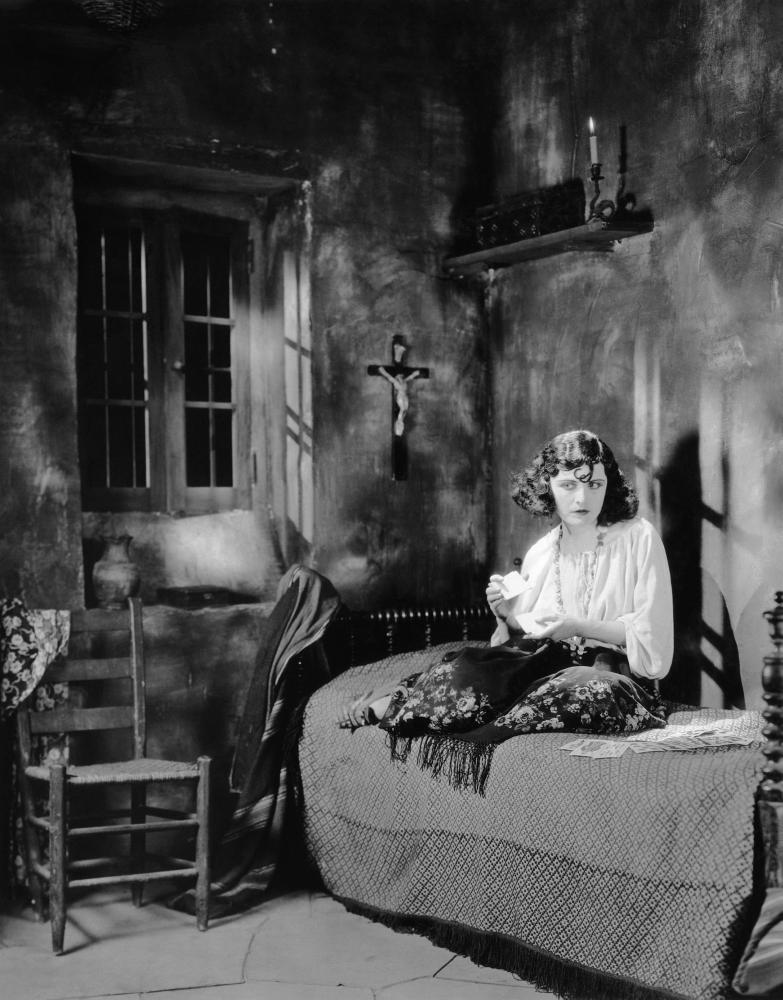
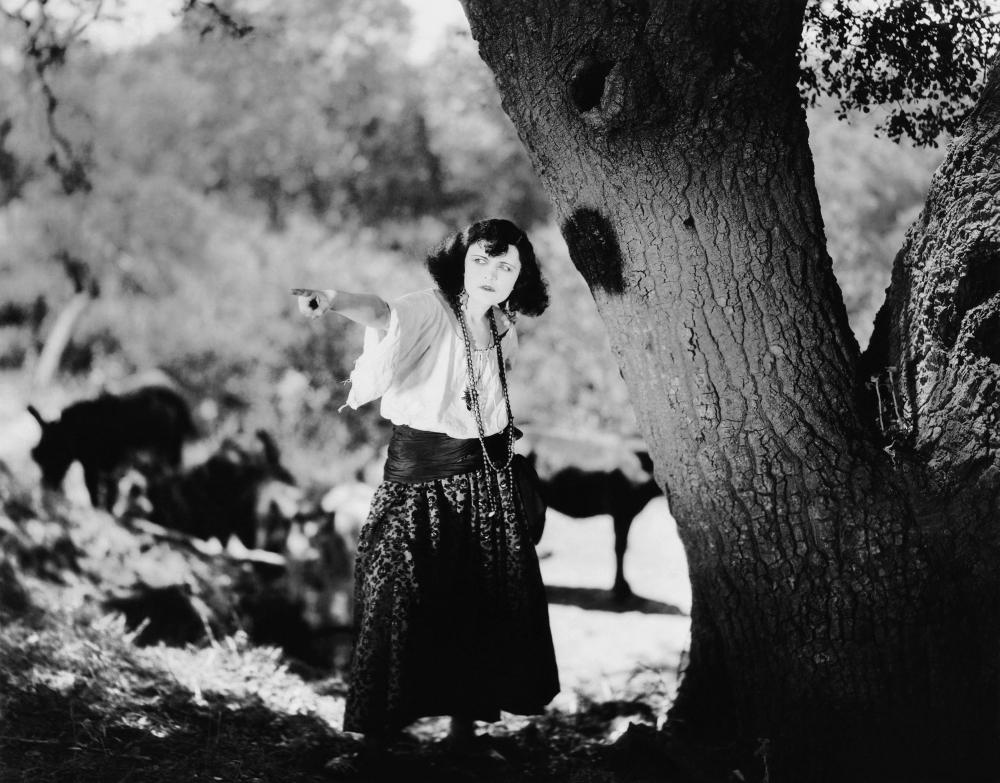
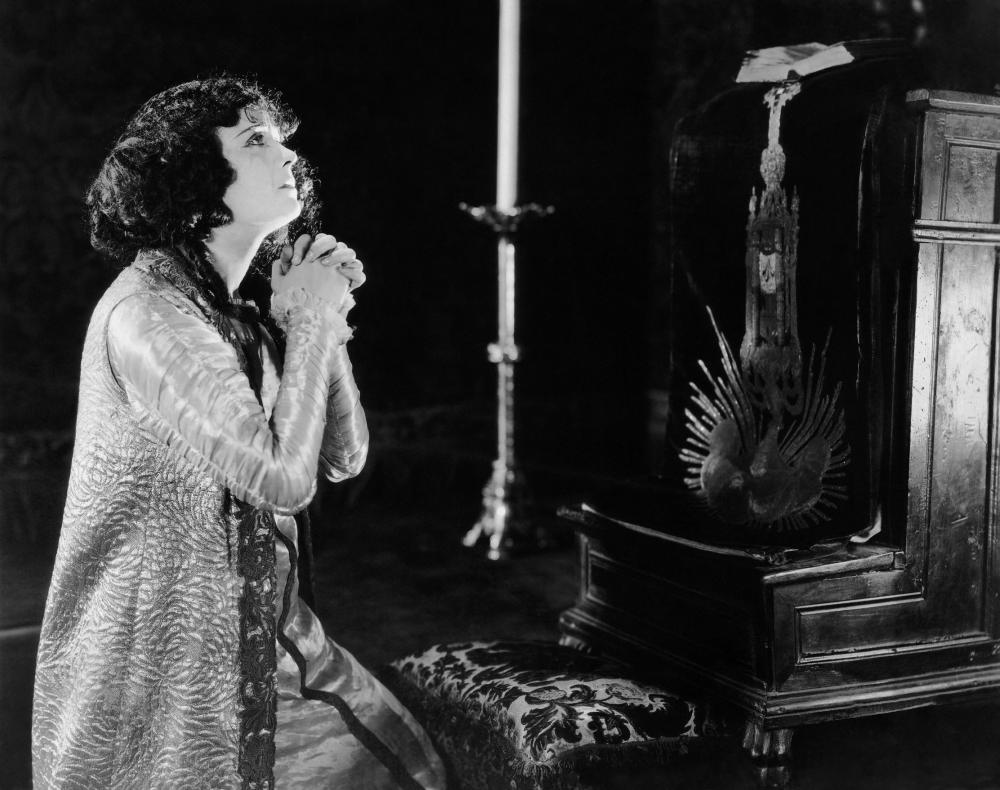
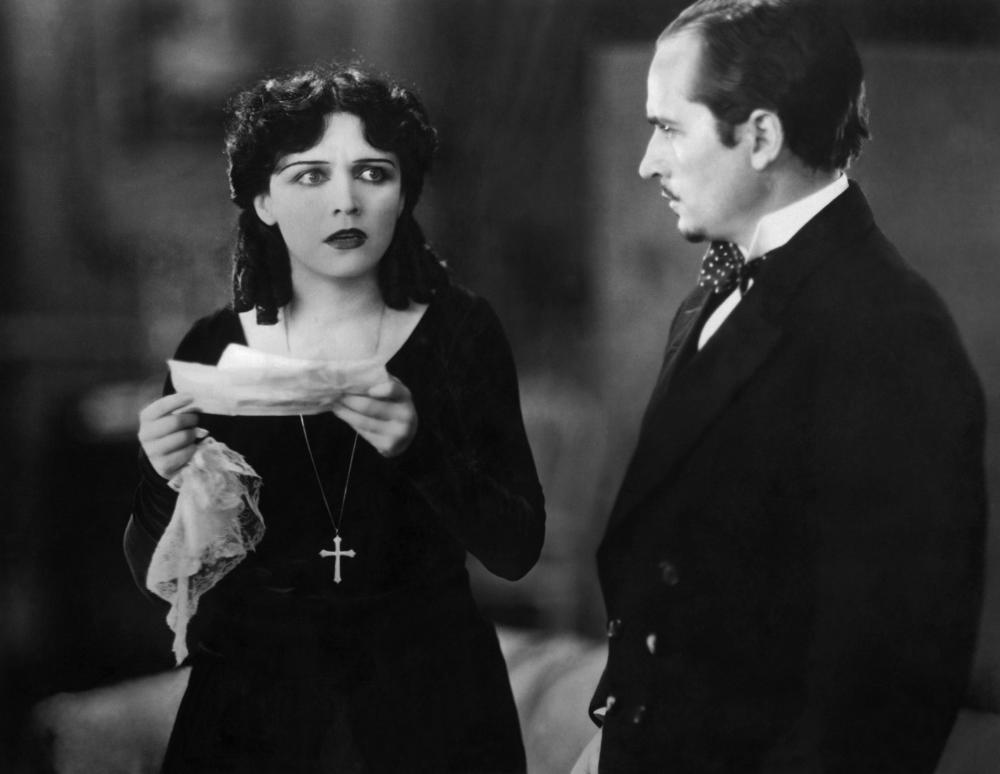
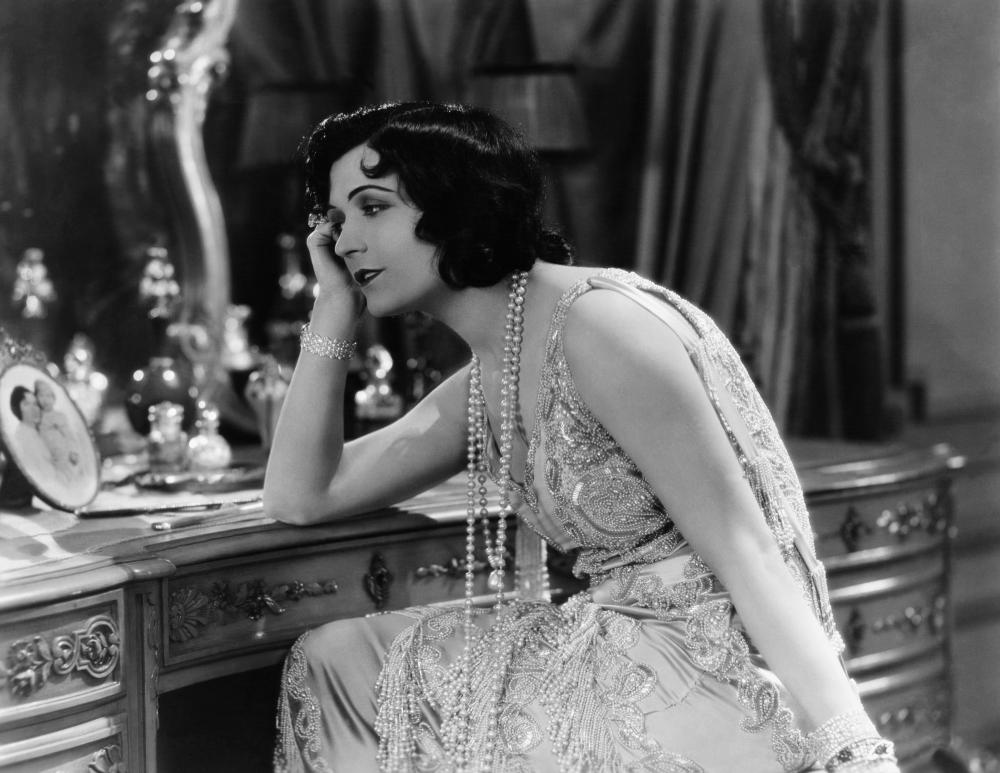
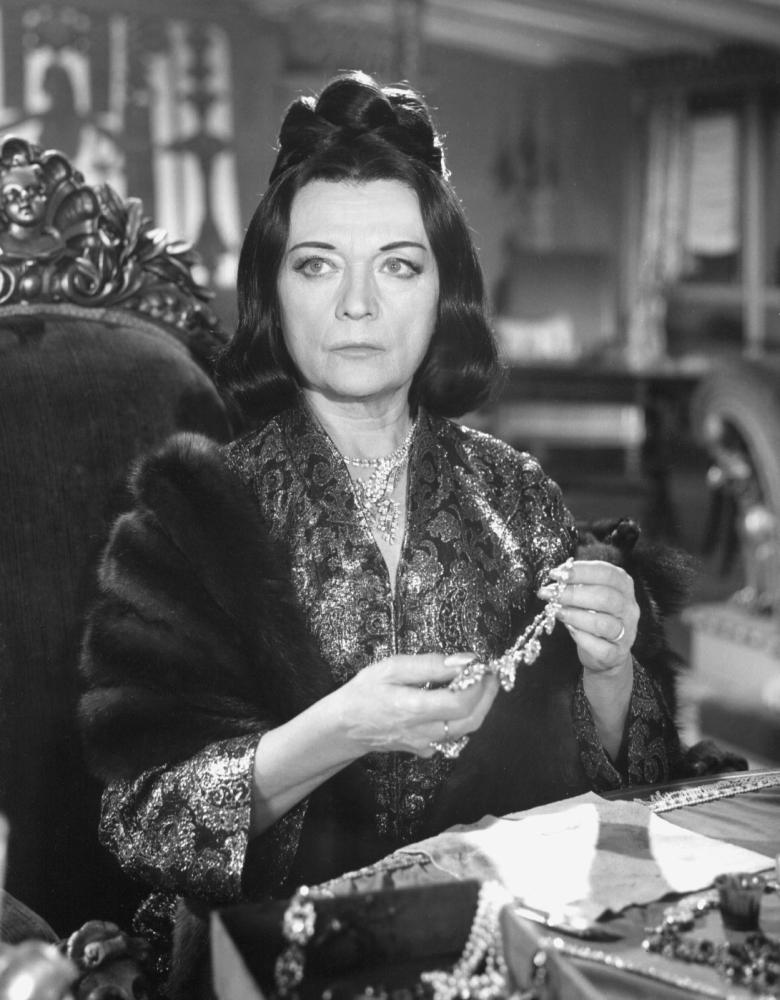
![MONTMARTRE, [aka DIE FLAMME], Pola Negri, 1923](https://media.baselineresearch.com/images/403620/403620_full.jpg)

 Watchlist Easy access to only the shows you care about — all in one simple place
 Alerts Only important notifications — when a show is returning, when it becomes available to stream, and more.
 Special Offers Exclusive products we release related to your favorite shows and streaming services