
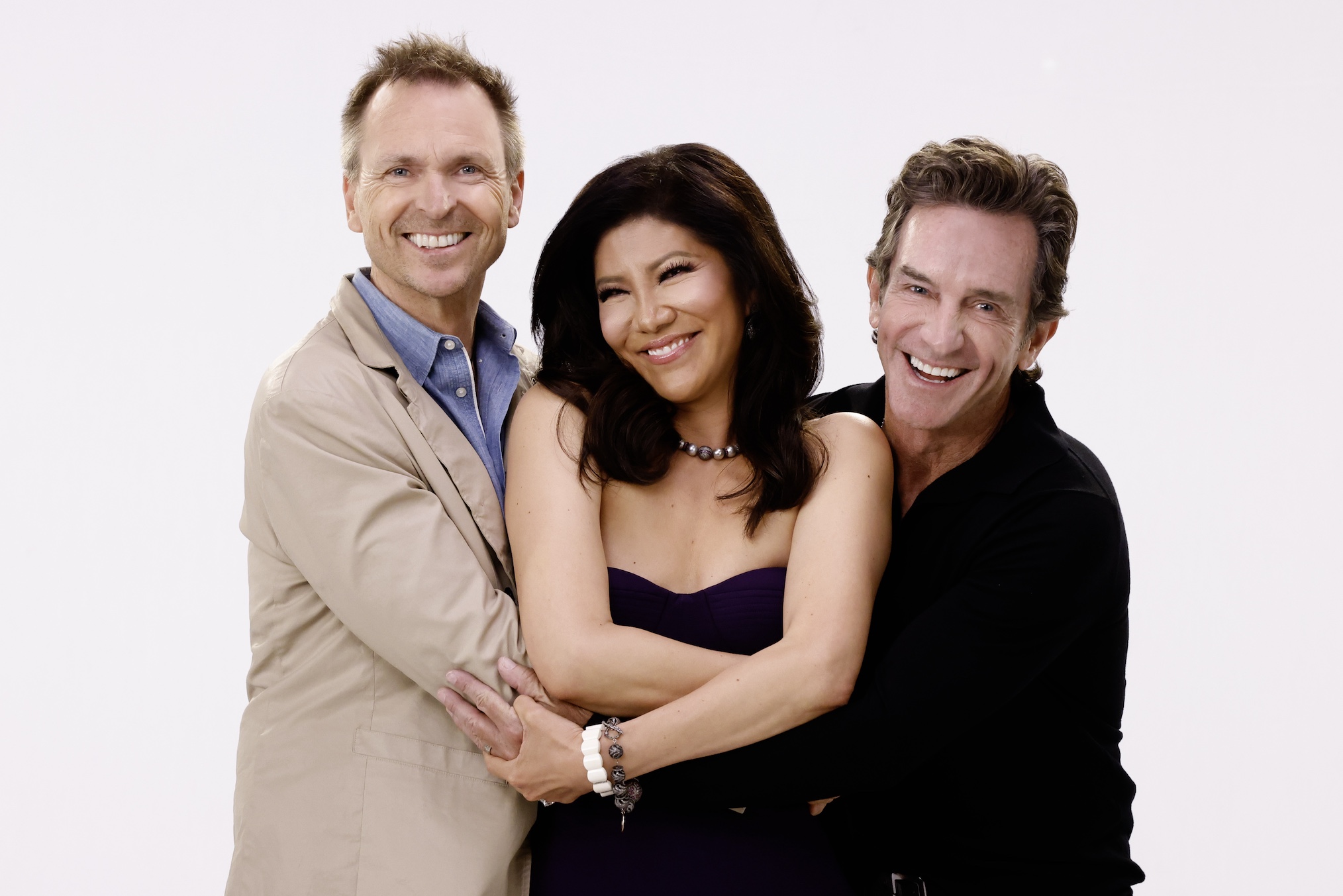
The State of Reality TV, According to Jeff Probst, Julie Chen Moonves & Phil Keoghan
The hosts of ‘Survivor,’ ‘Big Brother,’ and ‘The Amazing Race’ reflect on how reality TV has evolved in its first quarter century.
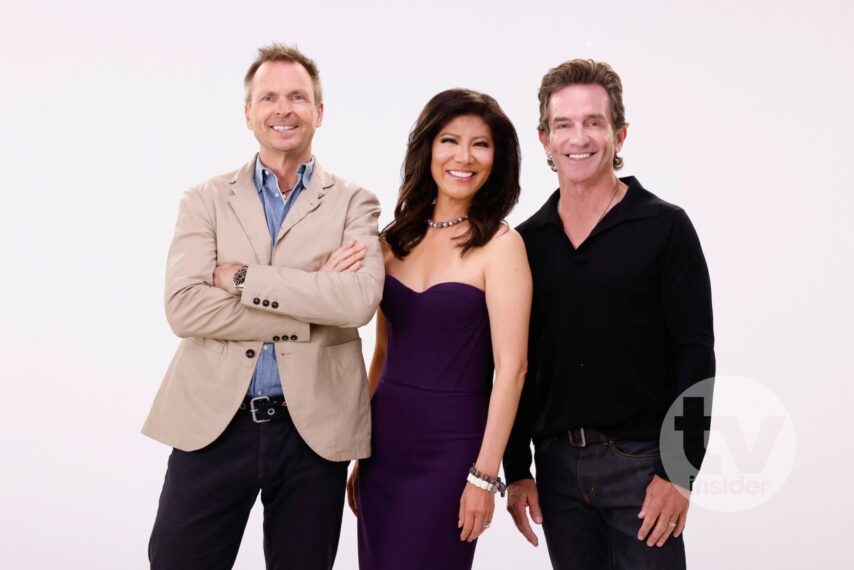
In the early 2000s, the arrival of reality television made TV fans fear the end was coming for scripted shows. Competition and lifestyle series were deemed an existential threat to Hollywood, but both categories are still kicking nearly 26 years later. Three hosts have witnessed reality’s evolution since its inception: The Amazing Race‘s Phil Keoghan, Big Brother‘s Julie Chen Moonves, and Survivor‘s Jeff Probst. Many reality shows have come and gone, but these three are still succeeding.
Big Brother, currently airing its 28th season, just passed its historic 1,000th episode, making it the first primetime entertainment series in the U.S. to reach that benchmark; the season finale is on October 1. Survivor delivered its milestone 50th season earlier this year, and Survivor 51: The Open Era premieres on September 23. The Amazing Race delivers its 39th season on September 30, and it’s gearing up for celebrations of its milestone Season 40.
Here, CBS‘s time-tested trio reflects on how reality TV has evolved in its first quarter century and reveals which newer show could survive as long as them.
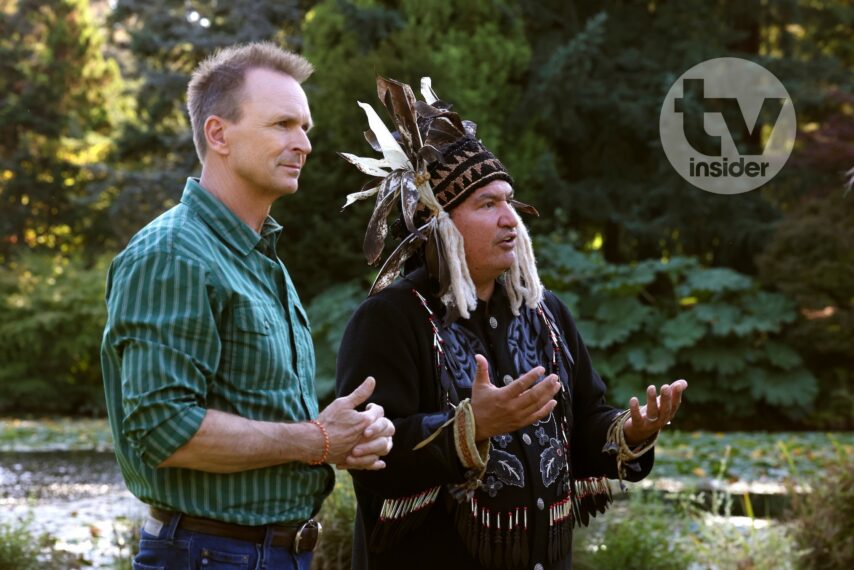
Phil Keoghan in ‘The Amazing Race’ Season 39 Episode 1 (Sarah Kemper/CBS)
Each of your shows puts ordinary people in extraordinary circumstances. What is it about these formats that brings out all sides of human nature?
Phil Keoghan: [For The Amazing Race] the outside world comes into our world. There’s a randomness that happens that does not happen on Big Brother or Survivor, where a stranger can suddenly have an interaction with a contestant. We have no control over some elements that are part of the show: train and plane schedules, political unrest, an elephant parade.
We are one of the few [reality competition shows] that is heavily influenced by the world around us, so it lends for some interesting moments. It’s also the pace at which we shoot and travel, circumnavigating the world in roughly 21 days. Freshness is a big part of the show. Our stage, which is the world, is a key element in why people tune in. The landscape, the location, is a character in our show, unlike other shows. Just by being out there in the world, that is our luck is the residue of design. Just by us being out there, all of a sudden we create the opportunity for these magical moments to happen.

Sonja Flemming/CBS
Julie Chen Moonves: For Big Brother, you’re looking at what makes us human, what makes us beautiful, what makes us ugly, what makes us laugh, what makes us fall in love, what makes us vulnerable. Separately from Amazing Race and Survivor, Big Brother is about relationships. How can you play with others? I personally can relate to every single person in the house on some level. Now, certain people might make my blood boil, but if I step back and look at myself, I’m like, “Am I any better? I’ve kind of been there, and I don’t want to be that person again. I’ve been a reflection of that person.” But there are so many powers and twists. We do change the game.
Jeff Probst: The Amazing Race asks you to interact with the existing world. Big Brother shuts you off from the world. Survivor asks you to build a brand-new world. What sets Survivor apart is the contradiction of being forced to vote out the very people you are relying on to survive. Every relationship is real, but also exists within a game. That creates a complex social structure. Living inside that contradiction forces you to confront yourself. What kind of person are you when trust, loyalty, fear, and ambition are all pulling you in different directions? And how does that person compare with who you believed you were before the game began? That’s where the transformation happens. Survivor doesn’t tell you who you are — it creates an experience that allows you to discover it for yourself.

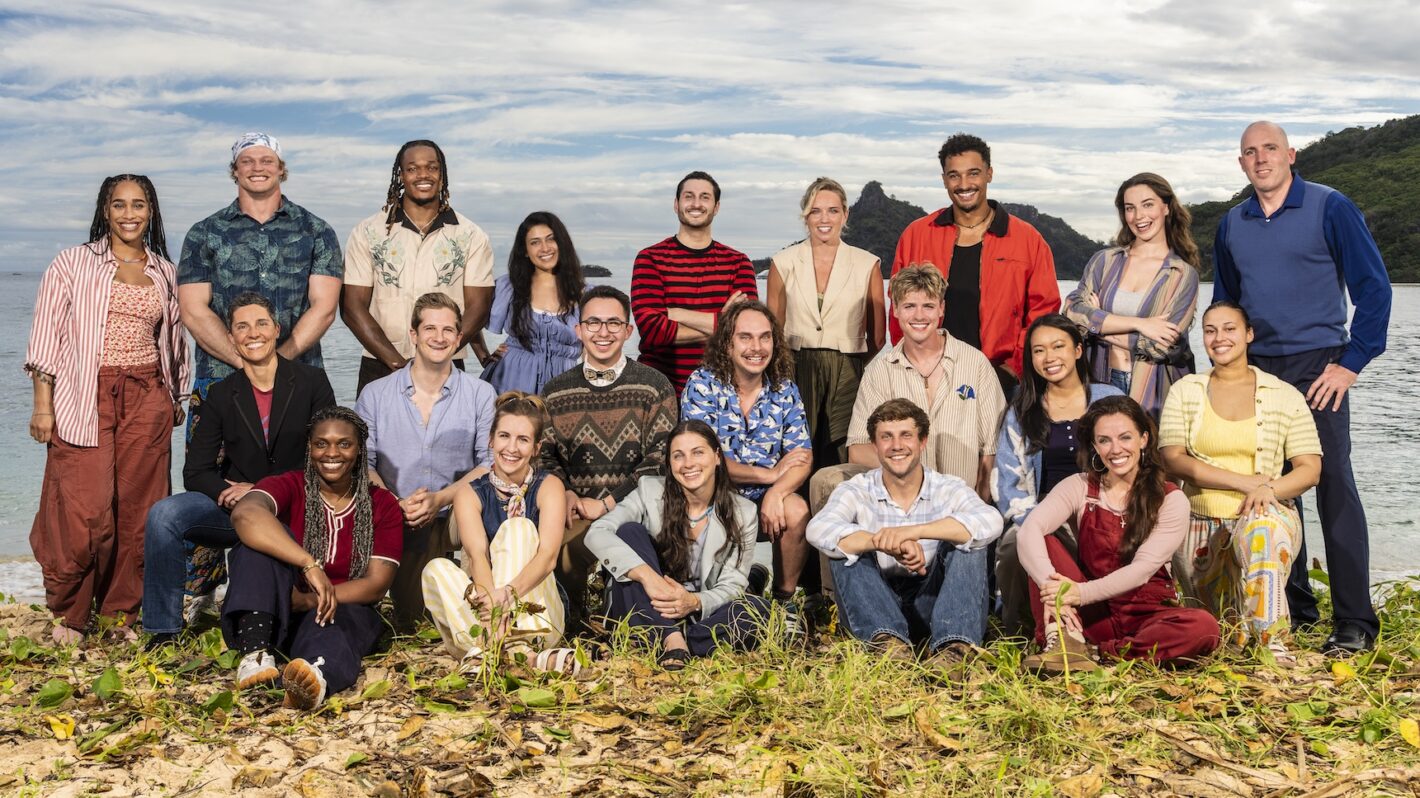
An “Thien An” Nguyen in ‘Survivor 51’ Episode 1 (Robert Voets/CBS)
Why do you think viewers keep coming back to your shows year after year?
Keoghan: I was at a meeting yesterday, and someone was asking me, “What’s the most important thing in a reality show? Is it the cast? Is it where you go? Is it what you do?” I said, “It’s the format.”
If you look at the history of network television and you look at how many formats have been launched over the last 25 years since our three shows have been on, the reason that our three shows have stayed is because the format was right. You can make a format better by having a great cast and having great challenges and going to cool places and all of that, but if the fundamental format itself is not right, it doesn’t matter what you do with everything else. Again, luck is the residue of design.
Chen Moonves: Big Brother, I think, is the hardest reality show out there. I mean, yeah, The Challenge, physical strength, blah, blah, blah. If you’re an athlete, you’re going to ace it. But Big Brother hits you on every level: social, physical, mental. I just pray people have a good time, and at the end they have some self-reflection because you don’t really get that opportunity to see who you really are.
There are a lot of haters out there who talk smack. You’ve got to drown out that noise and trust the people in your life who say, “Yeah, saw you in the house. You could have done better. That’s not you. That’s not who God created you to be.” So in any event, we’re like Spinal Tap. It goes to 11. We go to 12.
Probst: All our shows reveal human behavior and do it by putting ordinary people in extraordinary circumstances and applying pressure. The pressure is obviously different in each show. All three shows force decisions and demand fast adaptation to survive. Because those decisions are made by real people in real time, there’s no second take. That uncertainty is fun. The audience is constantly asking, “What would I do?” It’s a deep level of engagement that adds another layer of fun to the viewing experience.

Angela Murray and Julie Chen Moonves in ‘Big Brother’ Season 28 (CBS)
Professional reality TV contestants didn’t exist when your shows began. What are your thoughts on how that side of the genre has evolved?
Keoghan: Our research shows that Race fans want to see people [who] are relatable to them. And I think our most successful seasons have been the ones where we put Heartland Americans into our show and give them an extraordinary experience. I can’t speak for the other shows, but for our show, that’s definitely what our fans are saying. That doesn’t mean fans don’t have a fascination with celebrity. I think the definition of what “celebrity” is has gotten diluted. But I feel like the pendulum’s going to swing back the other way eventually. If you pull from [former] reality contestants, it’s almost like insurance casting…the more they buy into the fact that they’re a celebrity, it takes away a lot of authenticity.
Chen Moonves: All bets are off. You and I could have a reality show because we both own an iPhone. We could go out and just be silly, do pranks. You call it reality because it’s not scripted. It can range from that to Duck Dynasty to Traitors. Some of these reality shows are so highly produced.
The genre’s [range] is so far and wide. If you remember The Simple Life or look at The Kardashians, you could follow a family, two best friends, two people you’ve never heard of, but they’re funny, and they do pranks, and you might get a reality show deal if you get enough hits on your own social media channel.
Reality is not as real anymore, in my opinion, in today’s day and age, because people want fame. How real are they being when they know they’re recording themselves?
Probst: The audience has also become much more sophisticated. They understand how these shows work. They recognize strategy, they study behavior, and they can tell when a moment feels authentic and when it doesn’t. This excites me because the bar keeps rising — for casting, game design, production, and of course storytelling. I think one of the biggest discoveries has been that everyday people can carry enormous stories.
The people we put on Survivor are the single most important decision we make in any season. Nothing else even comes close. Of the roughly 800 people who have played, fewer than a handful had appeared on another television show before coming to us. That’s intentional. We’re specifically casting people the audience doesn’t know with the belief that they will want to get to know them. Then we let that relationship unfold.
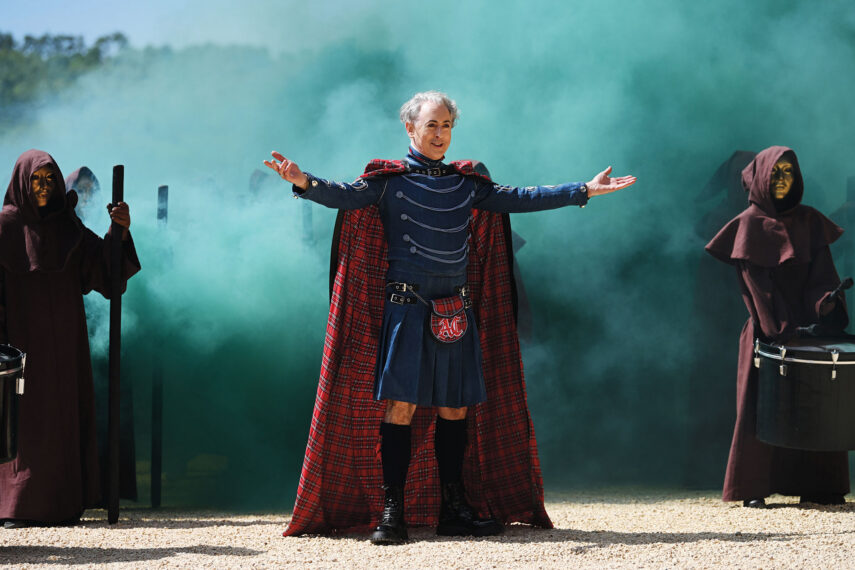
Alan Cumming The Traitors: New Blood (Euan Cherry/NBC)
Do you feel The Traitors is a show that’s well-suited to casting professional reality TV players? Could it run for a long time because it found that niche?

Chen Moonves: Absolutely. Everything about it is entertaining and performative. I love [host] Alan Cumming. The way he presents himself, it’s like everything you love about reality shows on steroids, times 10, and it’s brilliantly done. And at the end of the day, Traitors is also a little bit about human nature to me. Think of the title of the show, Traitors. Ultimately, it’s about good and evil, doing the right thing and not doing the right thing, and at what cost.
Keoghan: What works about Traitors is you do know those people, and they are putting in that performative appearance. Now that civilians have seen what the celebrities did, [the producers will] cast people they think can hit that [in Traitors spinoff New Blood].
Probst: Traitors is a brilliant format, because familiarity is part of the fun. You’re not only watching how someone plays — you’re bringing your existing perception of that person into the game. Their reputation walks into the castle with them. It changes the viewing experience. With so many unscripted shows on the air, Traitors could have an almost endless farm system. Their challenge is deciding which familiar people to put together and imagining what might happen when those personalities, reputations, and histories collide. That comes with its own set of creative challenges. You still need the right chemistry and people who genuinely want to play that particular game.
Sonja Flemming/CBS
The rise of reality TV was described as an apocalyptic event for scripted television in the early 2000s. Clearly, reality TV did not kill scripted TV. What do you remember of that discourse in the early 2000s, and when do you think people really started to calm down about it?
Probst: I remember the anxiety, and I don’t think it was misplaced. Reality television certainly didn’t kill scripted television, but it did change the business. These shows could often be produced on different schedules and at different costs, so as networks put more of them on the air, that inevitably meant some scripted shows weren’t being made. Writers and actors lost opportunities. That was real, and I would never want to minimize it.
But over time, I think the conversation became less about one form eliminating the other and more about recognizing that television had expanded to include both. Reality and scripted television satisfy different needs. One gives you the precision and imagination of something beautifully written and performed. The other gives you the unpredictability of real people making real decisions when nobody knows what’s going to happen next.

Chen Moonves: I remember in the beginning, there were a lot of haters. I remember being at the Grammys, and Kelly Clarkson beat Sheryl Crow, and some people were like, “Yes, she’s one of us.” And there are other people in the industry who were like, “Excuse me?” Same thing with our show and scripted. “They’re taking up an hour of primetime instead of having a drama starring me?” It was a lot of snobbiness. And then afterwards, it’s like the old saying, “If you can’t beat them, join them.”
Now it’s like, “Hey, you got a job?” If it’s creating jobs in this town and it’s putting food on the tables for families, whether you work in lighting, sound, grip, or in front of the camera or a producer, don’t be a hater. Open up your heart and see how a high tide lifts all boats. I don’t think you hear anyone say they hate it anymore. And if you do, I feel like you’re narrow-minded. At the end of the day, it’s about the human heart and human nature and the good and evil decisions we make.
Keoghan: The world has changed so dramatically with regards to me being cast as a host. Today, to cast a New Zealander with an accent, or anyone with an accent, is not as much of a big deal as it was when I first came to America and when I was auditioning for Survivor and then later Amazing Race [Keoghan was Probst’s runner-up in the Survivor audition process]. When I first came to America, I had to put on an American accent because the idea of somebody with a foreign accent being on TV, it was a big deal. All the way through the ’90s, I was encouraged to change my accent. It was like every single audition. And around the time that I was auditioning for Survivor, there was another show that I was up for. This is before Amazing Race. I just found out the other day [why] I didn’t get the other job. They wanted the famous actor, and it was because of my accent.
It was just the times, right? There was no Simon Cowell, no Nigel Lythgoe, no Cat Deeley, no Gordon Ramsay. And thank God I did not get that job because, had I got that job, I would’ve had to sign a three-year minimum contract, and that show lasted one season. It didn’t work, and I would not have been available for Amazing Race.
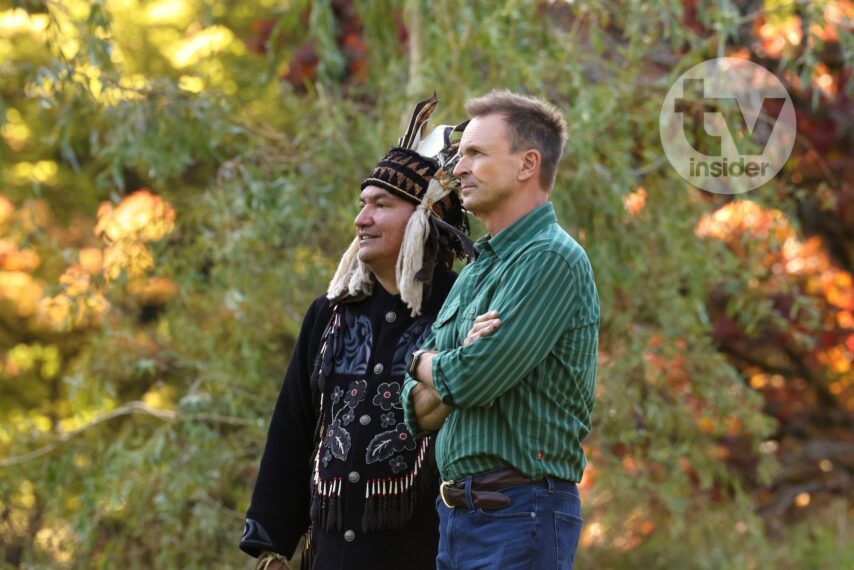
Phil Keoghan in ‘The Amazing Race’ Season 39 Episode 1 (Sarah Kemper/CBS)
Jeff and Phil, what can you tease about your shows’ upcoming seasons?
Probst: The engine of Survivor‘s evolution is uncertainty. Our goal is to keep the players off-balance so they never really know what to expect. And beginning with Survivor 51 and “The Open Era” [this year’s anything-goes structure means any twist or advantage from the show’s entire history can return at any time], that level of uncertainty is going to become permanent. We think it will take our game to the next level.
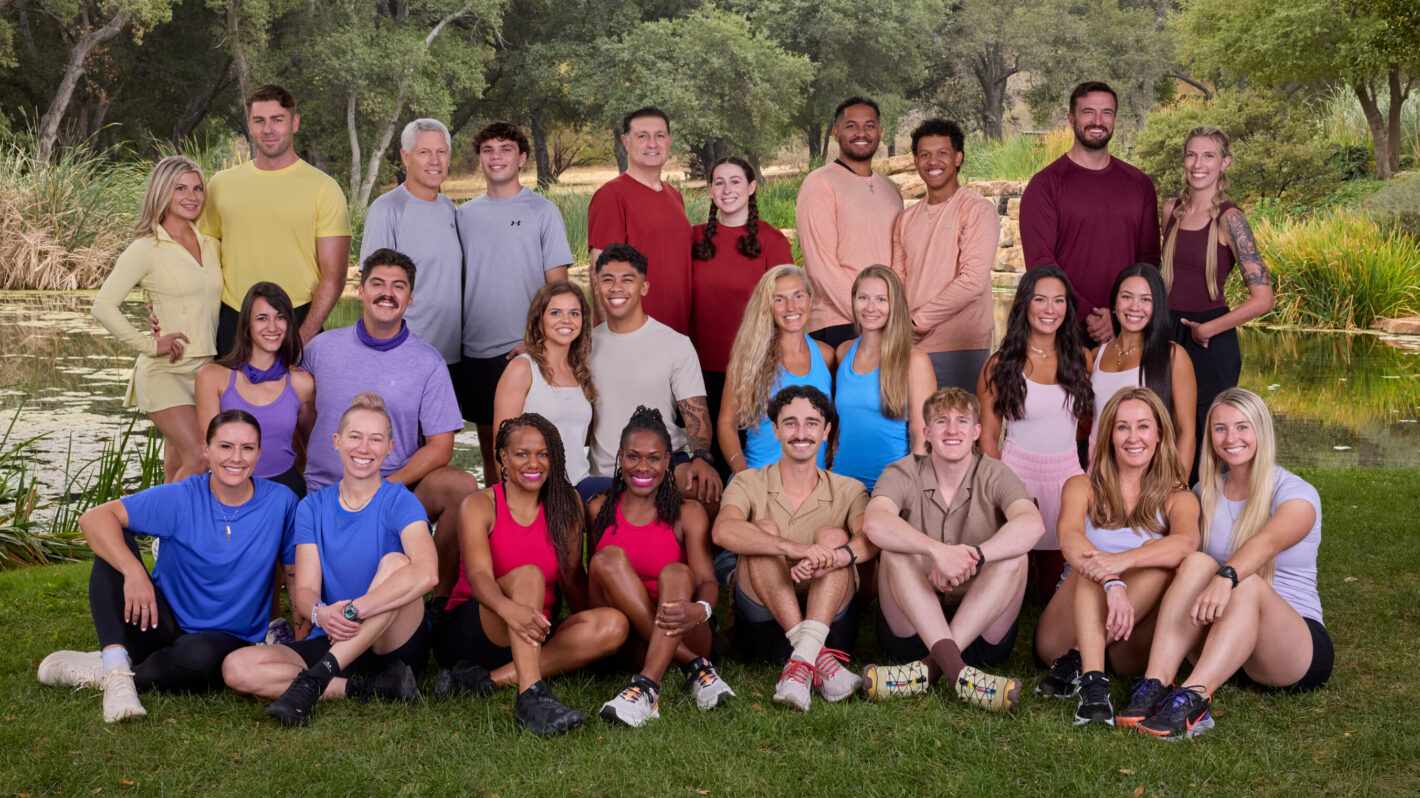
Keoghan: You’re only as good as your last season. And this season that’s coming up, I’m really excited about because it’s back to the everyday hero. We’ve got some great people in the mix. We’re also at that stage now, getting to Season 40, where we want to maybe go for a few Hail Mary passes and try some new things.
How would you describe the current state of reality TV? Is it in a good place?
Chen Moonves: I don’t think I can judge improvements because I don’t watch everything out there, but I think we have shown that we are here to stay and the sky’s the limit. If you had asked me during Season 1 of Big Brother, if we would have this many reality shows, I would’ve never seen it coming. I don’t think anybody could have predicted it. It’s just going to continue to grow. Maybe this is just the tip of the iceberg of what’s to come.
Probst: I think reality television is in a very healthy place because it has become such a broad form of storytelling. I’m not sure you can even talk about “reality television” as though it’s one thing anymore. But regardless of the category, success always comes down to one quality: Can you execute your idea?
A concept may sound brilliant in a pitch meeting, but that’s only the beginning. Can you explain the format to the audience clearly? Can you cast the right people? Can you create an environment that produces authentic behavior? Can you capture what happens and then turn it into a compelling story? And can you do all of that again next season without losing what made the show work?
The audience is sophisticated. They know when something feels authentic, they know when the rules don’t make sense, and they know when a show hasn’t earned the moment it’s asking them to care about. So on one hand, the opportunity for new inventive formats is enormous — but only if you can deliver.
Survivor, Season 51 Premiere, Wednesday, September 23, 8/7c, CBS
The Amazing Race, Season 39 Premiere, Wednesday, September 30, 9:30/8:30c, CBS
Big Brother, Season 28 Finale, Thursday, October 1, 8/7c, CBS
 Watchlist Easy access to only the shows you care about — all in one simple place
 Alerts Only important notifications — when a show is returning, when it becomes available to stream, and more.
 Special Offers Exclusive products we release related to your favorite shows and streaming services