


Exclusive Interview
‘Pride & Prejudice’ Boss Reveals How New Adaptation Compares to the Book
What To Know
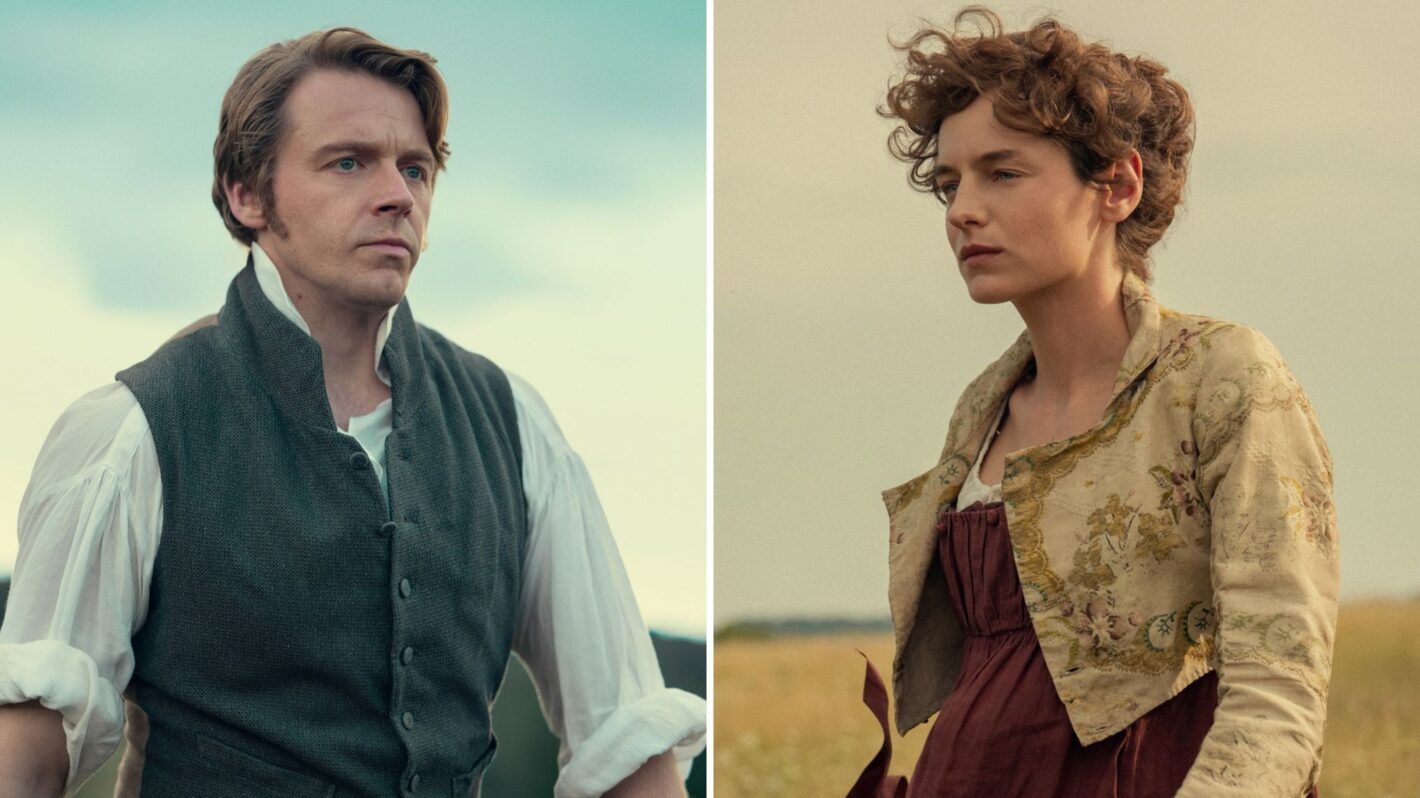
- Dolly Alderton wrote and executive produced Netflix’s six-episode adaptation of Pride and Prejudice, starring Emma Corrin as Elizabeth Bennet and Jack Lowden as Mr. Darcy.
- Alderton followed her instincts while preserving beloved moments and clarifying the Bennet sisters’ inheritance predicament for new audiences.
- She says the six-hour format gives Austen’s characters and subplots room to breathe.
Dolly Alderton got all her worrying about adapting Pride and Prejudice — her “dream job” — out of the way before she got started. Three years ago, the Everything I Know About Love author got an email from her agent about Netflix’s goal to bring the classic Jane Austen novel to the screen for the first time in 30 years.
“‘Would you be interested in pitching for it?’” Alderton recalled her agent asking. “And I obviously had a few days of saying, ‘No. I absolutely could not do this. I would be mad to take this on. [It would] be way too much pressure. This is a piece of IP that just lives so much in people’s hearts, and people are so dedicated to it and so serious about it, and why would I take on?”
It took only a few days for her to come around to the opportunity. That was when she accepted that whatever she produced would garner an enormous reaction, “whether that would be negative or positive, that’s what comes with the privilege of adapting such a beloved piece of work,” she explained to Swooon. “And then I went home, reread it, felt my way through all the different ways that I wanted to adapt it, and then pitched it to Netflix, my ideas for the show, and then they gave me Episode 1 to write.”
Alderton led with her instincts when writing and executing her vision of Elizabeth Bennet (Emma Corrin) and Mr. Darcy’s (Jack Lowden) enemies-to-lovers romance that unfolds while the Bennet matriarch (Olivia Colman) sets out to marry off her five daughters and secure their futures. Alderton, who wrote and executive produced the limited series, actively resisted thinking, “‘How am I going to put my own mark on it?’ which is not the way to adapt.” She “lovingly” put all previous adaptations — which include BBC’s 1995 series and Joe Wright’s 2005 film — out of her mind.
“‘What do I think about this character? What do I want to interrogate about this character? What moments do I want to bring to the forefront of emotion or of comedy?’” she asked herself. “Then also, the other thing is allowing yourself to just enjoy the moments that everyone else has already enjoyed, and not trying to make them different. Like Lady Catherine’s tirade to Elizabeth, or Mr. Collins’ clumsiness. Lydia’s precociousness. If that just feels natural and delightful, just let yourself relish those things that have been enjoyed before… Let the actors enjoy that moment. Let the audience enjoy it. You don’t have to make that bit different. You can just enjoy those treats of this beloved book.”
Alderton is aware that, with placing a new Pride and Prejudice on a streaming format, younger generations might be interacting with the story for the first time, or they haven’t found “their version” of Pride and Prejudice yet. “I was thinking about them as well as the people for whom this could be their favorite story,” Alderton said. “So making sure we’re not using shorthand and assuming that everyone knows who these characters are and what the world is.”

Netflix
She continued, “The kind of dramatic engine of the story is the fact that these five women could end up with nothing because their dad’s estate is entailed away from them… But for a young person coming to the story for the first time, it’s like, ‘What does that even mean?’ So it’s just making sure we were conscious of clarifying that for audiences and not assuming they know things that we know because we’ve read it so many times.”
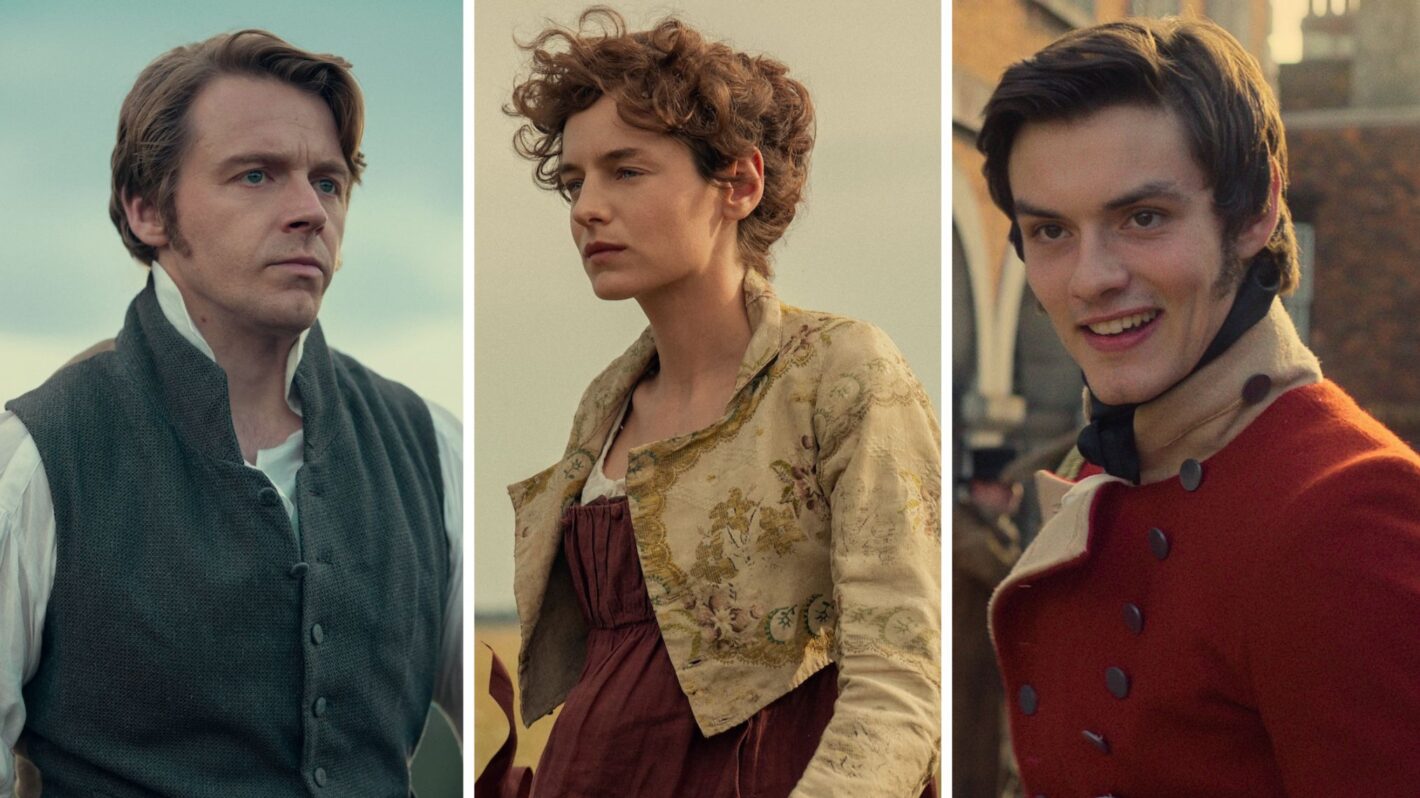
Noting that five and six are her favorite episodes of the bunch, Alderton found early in the process that Austen’s book is “weirdly adaptable.” She explained, “The story does lend itself to a six-episode structure, which obviously… Jane Austen could not have understood that as she wrote it, but it’s this very odd thing about Pride and Prejudice that it is very much sort of absolutely ready-made for TV, in terms of characterization, dialogue, and plot, first and foremost.”
Still, she acknowledged that Pride and Prejudice can and has worked well as a film. “But I think the joy, one of the perks of writing it in TV, is that it is such a big book,” the author added. “There are so many characters. There are so many subplots, and to be able to really give breathing space for all of those characters and all of those stories, that is the delight of being able to adapt it over six hours.”
Pride and Prejudice, December 3, Netflix